

5 Surprising Ways Oils Might Be Slowing Your Hair Growth
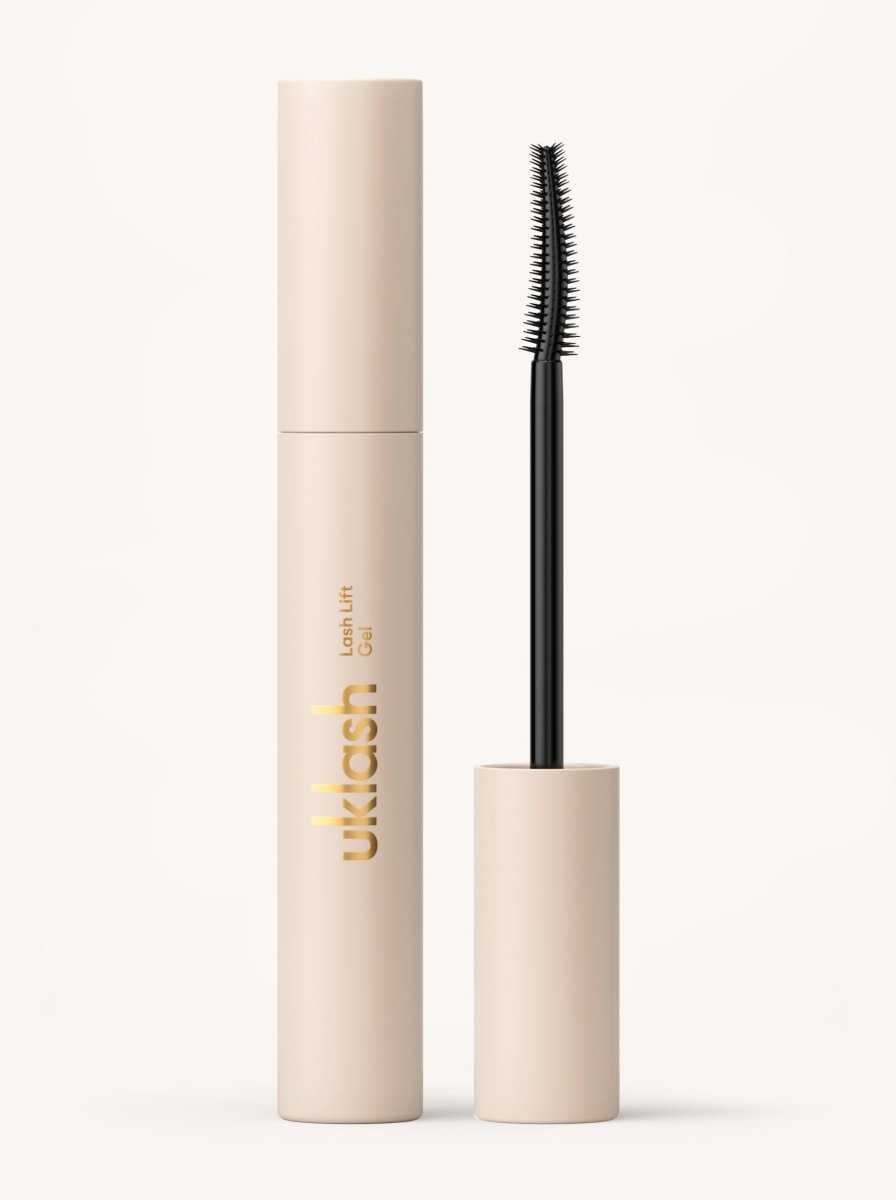
 The Lift & Grow SetFor instantly lifted lashes today and longer, fuller-looking lashes over time.
$132.79$119.51
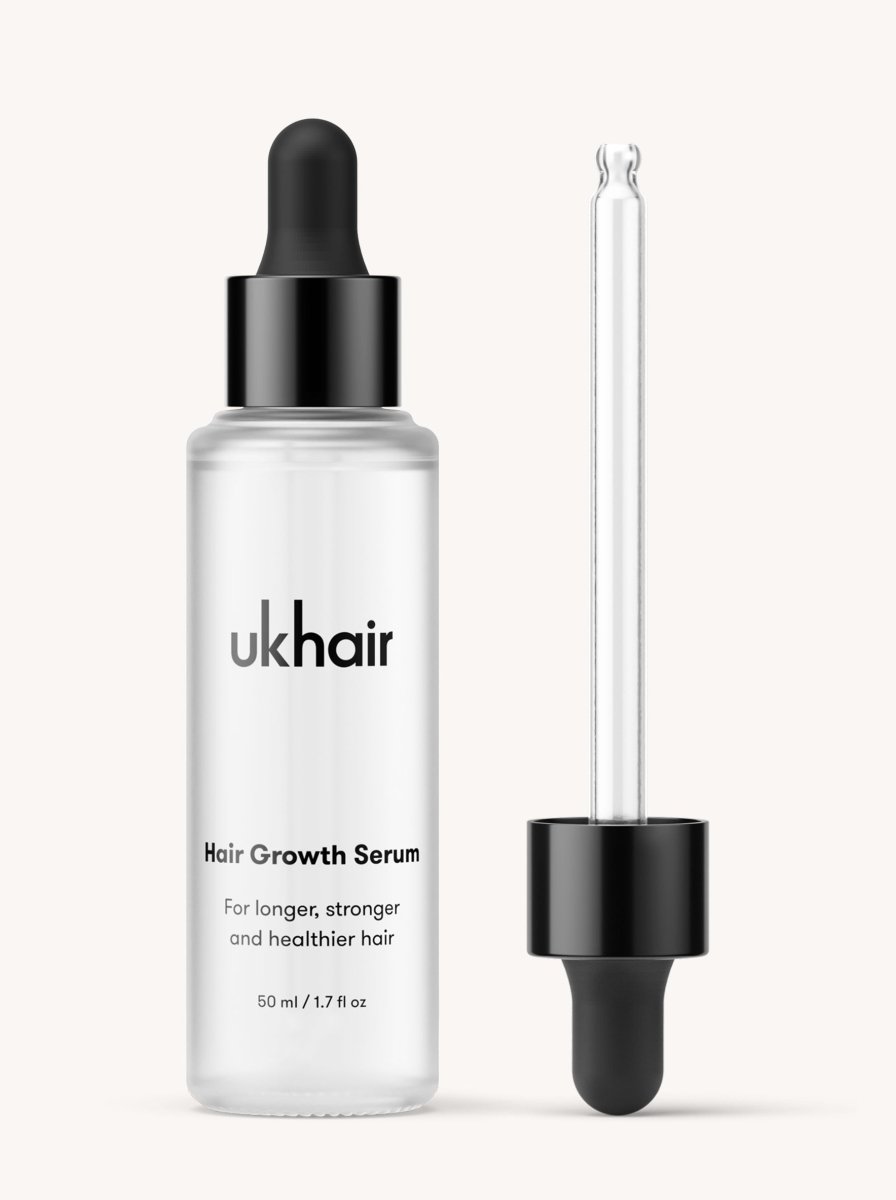
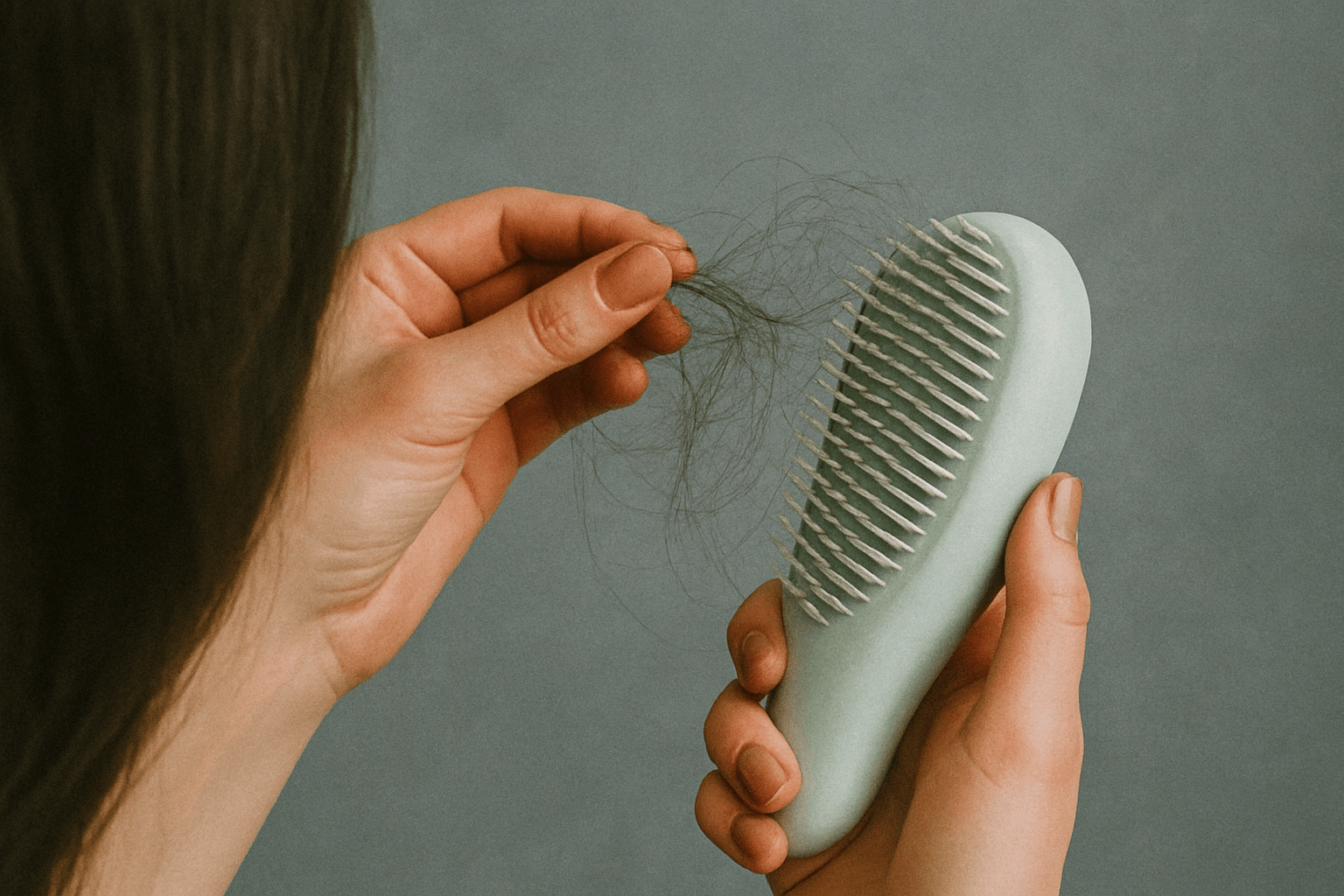
Hair oils, like coconut, argan and castor oils, are often marketed as miracle solutions for achieving thicker, shinier, faster-growing hair. While they can add temporary softness and gloss to the hair shaft, the reality is very different when it comes to your scalp.
Jump To:
In many cases, regular scalp oiling may actually be working against your hair-growth goals. Below, we’re breaking down the reasons why oiling your scalp could be contributing to hair shedding, clogged follicles, and slower growth, along with what to do instead.
Top 5 Reasons Hair Oiling Leads to Scalp Issues and Hair Loss

1. Clogged Hair Follicles
Applying oil to the scalp creates a sticky film that easily traps dead skin, sweat, and natural sebum. Over time, this mixture blocks hair follicles, restricting oxygen and nutrients needed for healthy growth.
This buildup is a major contributor to inflammation, excess shedding, and even long-term thinning. Think of it like pouring grease into a narrow drain—eventually, everything backs up. In this case, it’s your hair growth being blocked at the root.
2. Triggers Dandruff
If you struggle with an itchy or flaky scalp, heavy scalp oiling could be an underlying culprit. A naturally occurring yeast called Malassezia thrives on oil, especially the kind applied directly to the scalp.
Excess oil fuels this yeast, often causing dandruff, irritation, and in some cases, seborrheic dermatitis. These issues disrupt the scalp’s microbiome and inflame the follicles, creating an environment that is anything but supportive of healthy growth.

3. Causes Product Buildup
Oils are notoriously hard to wash out. Unless you use strong surfactants or deep clarifying shampoos, which can irritate the scalp, you’re likely to be left with residue.
This residue:
- Weighs down the hair, making it look flat or greasy
- Creates a barrier that prevents the scalp from receiving water, oxygen, and nutrients
- Smothers follicles, slowing down growth
If your hair feels oily soon after washing or requires multiple shampoos to feel clean, product buildup may be stalling your hair’s renewal cycle.
4. Disrupts Your Scalp’s Natural Oil Balance
Your scalp naturally produces sebum, a protective oil designed to moisturise without clogging follicles. Regularly adding external oils can confuse this process.
Depending on your scalp type, this can lead to:
- Underproduction, causing dryness and flaking once the added oil is washed away
- Overproduction, creating excess grease, clogged pores, and potential hair loss
Either way, constant oiling interferes with your scalp’s natural equilibrium.
5. Blocks Active Growth Ingredients
Using high-performance treatments, such as water-based serums designed to target the follicle, alongside scalp oils can render them less effective. Oils form a hydrophobic barrier that prevents active ingredients from penetrating deeply.
The result? Your growth-boosting products can’t properly reach the areas they’re meant to nourish, limiting their impact.
Opt For Specialised Hair Serum Instead
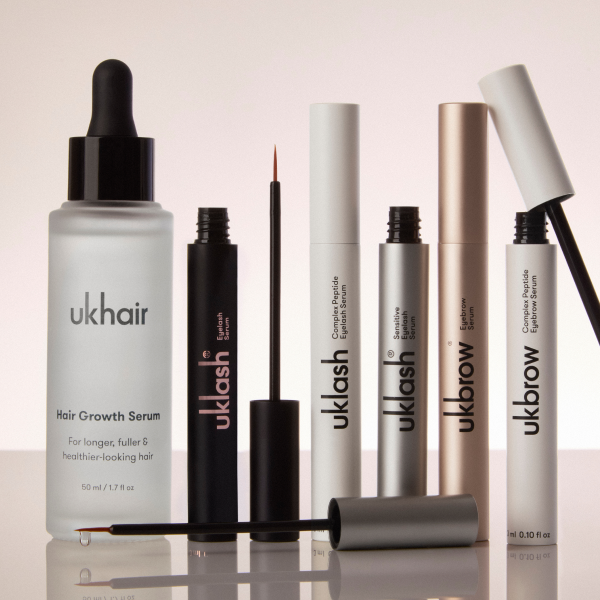
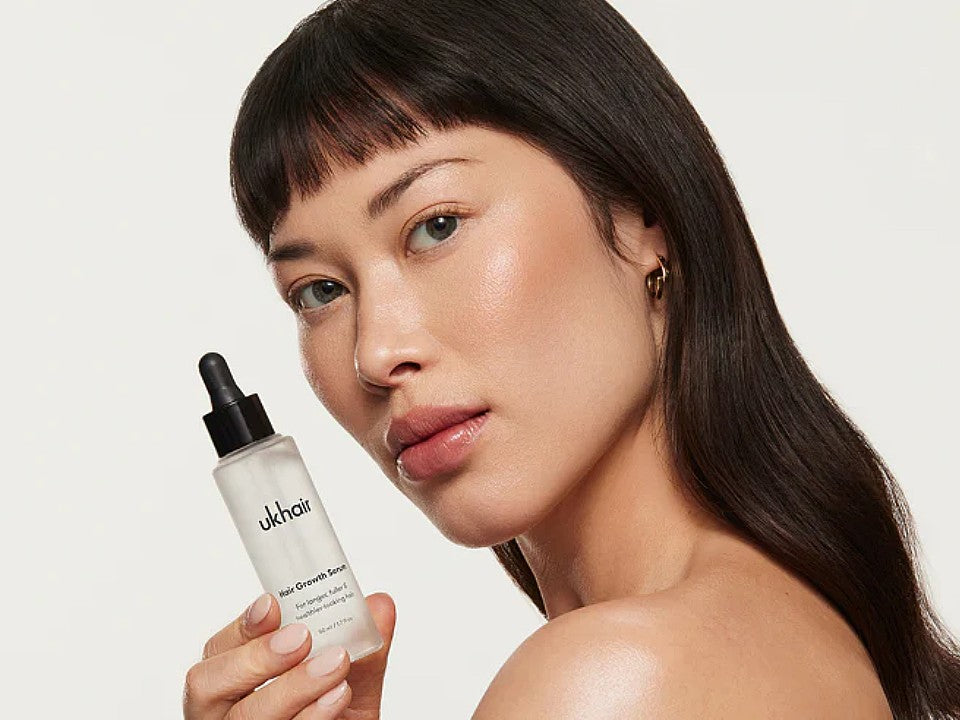
Your scalp is a complex, living ecosystem that requires balance, not blockage, to thrive. That’s why water-based, lightweight formulas are ideal for promoting healthy hair growth. Products like the UKHAIR Hair Growth Serum are designed to absorb quickly, nourish follicles directly, and deliver active ingredients without creating buildup or disrupting natural oil production.
A healthy scalp environment leads to stronger, thicker, and longer-growing hair. No grease, no heavy residue, just targeted support where it matters most.
While oils can be useful for smoothing and protecting the hair ends, they’re far less suitable for the scalp. Frequent scalp oiling can contribute to clogged follicles, fungal overgrowth, buildup, disrupted sebum production, and blocked absorption of growth-enhancing ingredients—all of which can hinder your hair-growth progress.
For true, long-term results, choose scalp-first solutions that keep follicles clear, balanced, and supported.
Let your scalp breathe. Nourish it with purpose. And move beyond greasy myths toward real, science-backed hair growth.



 8 min read / 22 September 2026How Long Does a Lash Lift Last? Master Lash Lift Aftercare At HomeWritten by Lauren Butler
 6 min read / 17 September 2026Nano Brows vs Microblading: Which Treatment Is Best for You?Written by Lauren Butler
 6 min read / 9 September 2026Pumpkin Spice Latte Season Has Begun: 5 Autumn Makeup Trends We’re Obsessing OverWritten by Lauren Butler
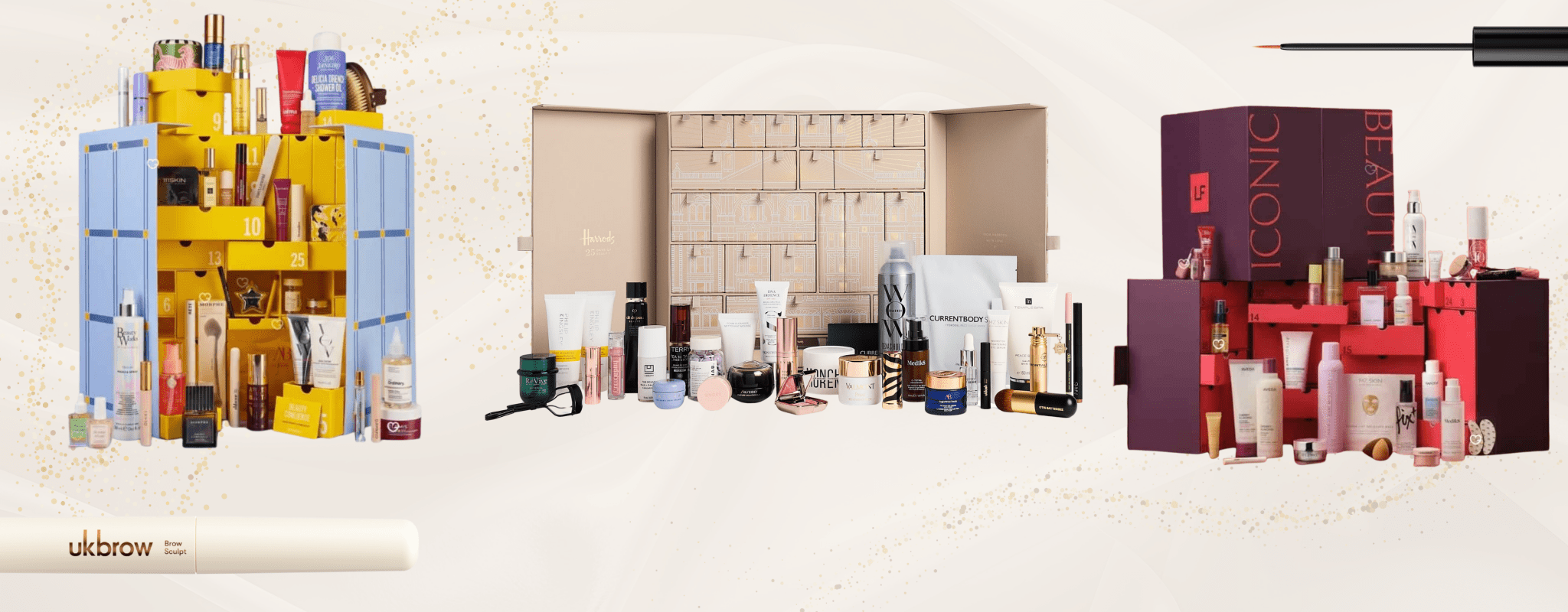 7 min read / 2 September 2026Unboxing the Best Beauty Advent Calendars Actually Worth Your MoneyWritten by Lauren Butler
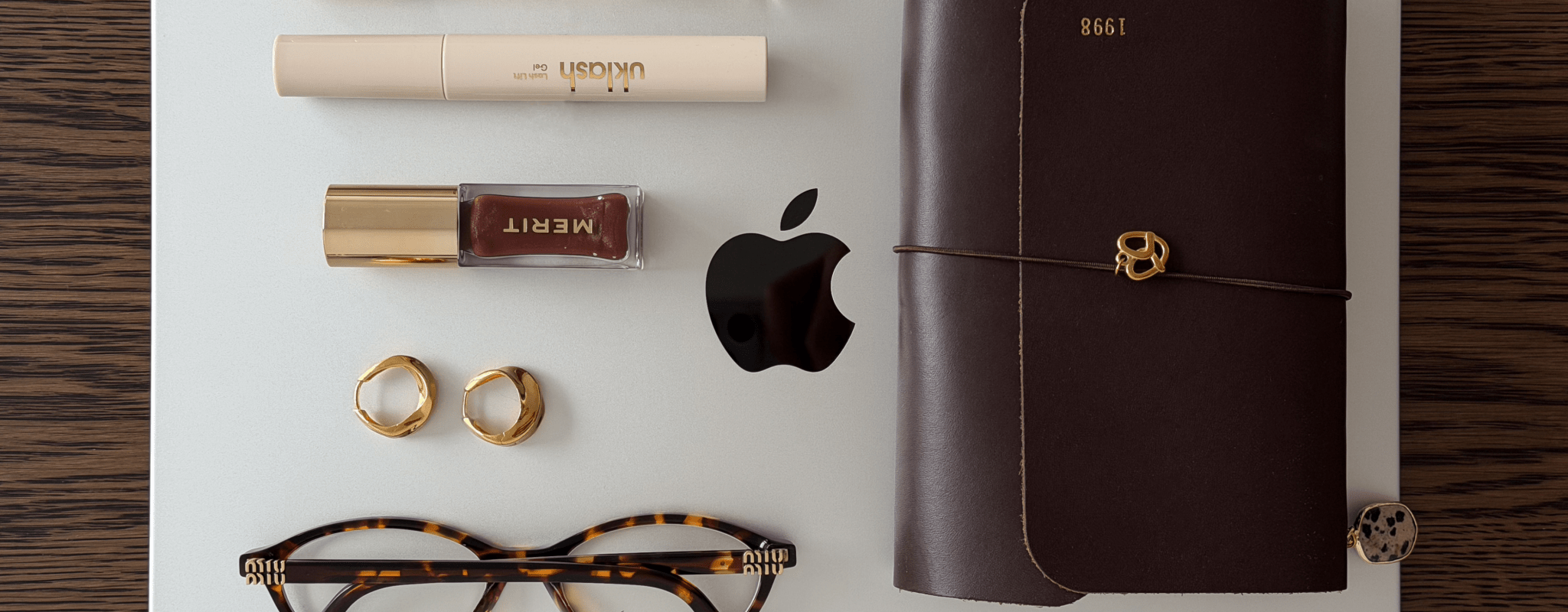 6 min read / 25 August 2026Meet The Lash Lift Kit Made For Your 5 Minute Morning RoutineWritten by Lauren Butler
 6 min read / 24 August 2026What Are Ghost Lashes? Meet the Barely-There Lash TrendWritten by Lauren Butler
 7 min read / 21 August 20266 Natural Menopause Treatments That Really WorkWritten by Lauren Butler
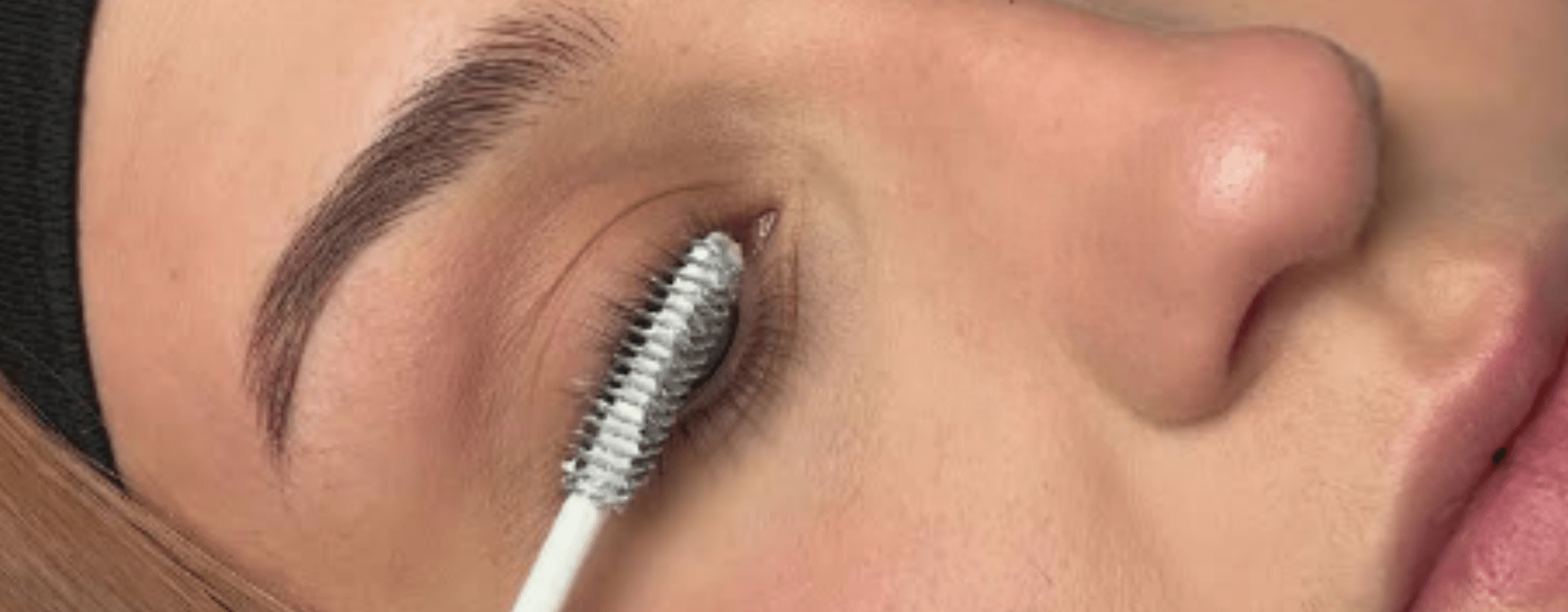 6 min read / 19 August 2026Do You Need An Eyelash Primer? Here’s When It Makes a DifferenceWritten by Lauren Butler

