

Is Diet Better Than Supplements for Healthy Hair, Skin & Nails?
Scroll through social media and you’ll be met with a familiar promise: longer hair, clearer skin, stronger nails, all in a single supplement. From hair growth gummies to targeted hair vitamins, the beauty industry has leaned heavily into the idea that transformation can come in a bottle.
But are supplements really the answer, or is diet the true foundation of healthy hair, skin and nails?
Your Diet as Hair Food
DIET / HAIR FOOD
The Foundation
Essential nutrients
Core proteins, fats and micronutrients support healthy hair, skin and nails.
Long-Term Health
Stay consistent with a balanced diet to support results over time.
Whole Food Base
A strong balance of vitamins and nutrients helps create the foundations for healthy hair growth.
Built By Habit
Relies on consistency, balance and a routine that supports overall wellbeing.
SUPPLEMENTS / HAIR BOOST
The Support
Targeted Nutrients
Scientifically formulated ingredients can help deliver the nutrients your body may need more of.
Focused Strengths
Supports your routine by helping fill gaps where diet may be falling short.
Precision Formulas
Can offer more targeted support for goals like hair growth, strength and thickness.
Easy To Integrate
Simple to add into your daily routine alongside a balanced diet.
There’s no denying the power of nutrition. As Anthea Turner reflected on at our Menopause event last year “When my hair was breaking, I focused on health, cutting out sugar and improving my diet. Beauty starts from within; it’s what you eat.”
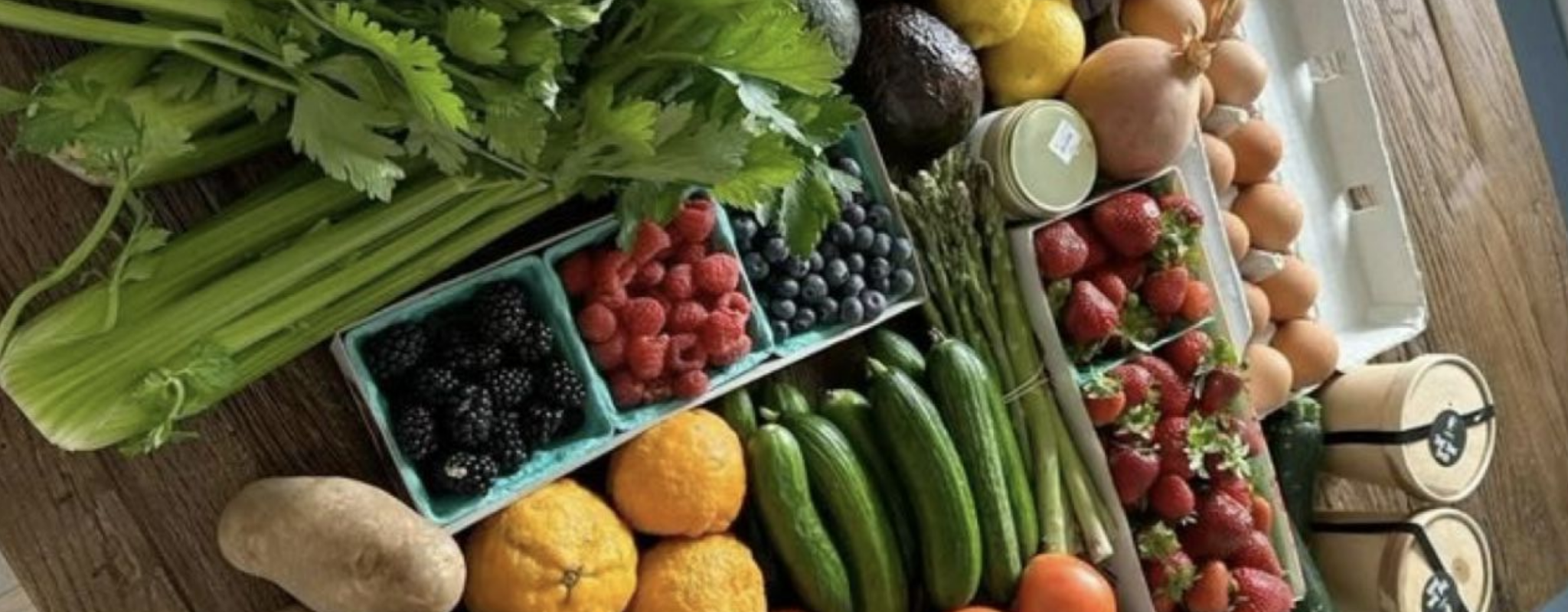
A balanced diet provides what many refer to as essential hair food: the proteins, fats, and micronutrients your body needs to build and maintain healthy cells.
If you’ve ever wondered what foods promote hair growth or what is the best food for hair, the answer lies in variety:
- Protein-rich foods for structure
- Iron for oxygen delivery to follicles
- Healthy fats for scalp condition
- Vitamins and minerals that support growth cycles
Diet sets the baseline. But baseline doesn’t always mean best.
When Diet Alone Isn’t Enough
Even with the best intentions, modern lifestyles can make it difficult to consistently meet nutritional needs. This is where supplements step in, not as replacements, but as support.
Questions like ‘what vitamin deficiency causes hair loss’ highlight how common nutrient gaps can be. Deficiencies in iron, vitamin D, biotin, or folate are all linked to thinning hair.
And yes - can low folic acid cause hair loss? It can, particularly because of its role in cell regeneration.
But what’s often overlooked is how these deficiencies show up. Hair can become finer, more brittle, or shed more than usual, while nails may weaken and skin can appear dull or slower to repair. These are subtle signals that your body may be lacking key nutrients needed for healthy growth cycles.
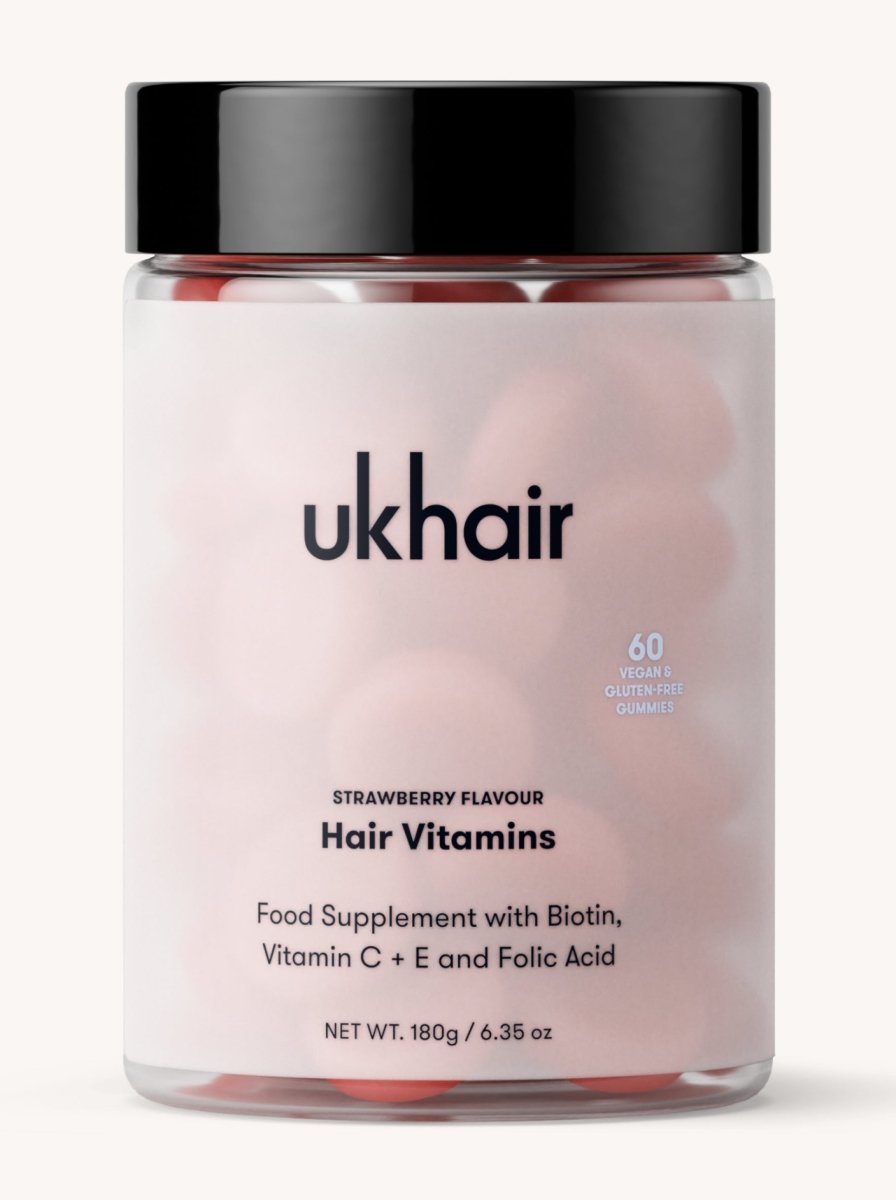
This is where targeted supplementation, whether in the form of hair vitamins, hair vitamins biotin blends, or even hair growth gummies, can be beneficial. By delivering concentrated levels of specific nutrients, they help restore balance where diet alone may be falling short.
Biotin For Hair Growth
Few ingredients have reached the cult status of biotin. From hair vitamins biotin blends to influencer-backed recommendations, it’s often positioned as the answer to thinning or slow-growing hair. So, does biotin help your hair grow?
The answer is nuanced. The biotin benefits are clear when there’s a deficiency, it supports keratin production and can improve hair strength. But for those already meeting their needs, more isn’t always better.
In other words, biotin isn’t a magic fix, but it can be good for hair loss if you’re lacking.
To learn more about what Biotin is and what biotin does, head to our article here.

Supplements For Support, Not As a Substitute
Supplements can be helpful for hair growth when:
- Your diet is inconsistent - In the process of being diagnosed with an allergy or illness and struggling to eat a healthy, balanced diet? This could be the perfect time to consider supplements in your routine
- You’re recovering from stress, illness, or hormonal changes - If you're going through a specific period of flux, lean on supplements to give your body what it needs
- A deficiency has been identified - If you’ve spoken to your local GP and are aware that you’re lacking in a specific mineral or nutrient, supplements can be a great aid for building these back up
Rethinking “Faster” Hair Growth
Searches like “how can you speed up hair growth” or “how to grow and thicken hair” often point to a desire for quick results, but biology doesn’t move at the pace of trends. As with everything we preach at UKLASH, it’s about showing up for yourself and being consistent. Here are some ways to encourage hair growth if you’re concerned about hair thinning:
- Consistent nutrition - Eating 3 balanced meals a day
- Hormonal balance - Head to your GP if you’re experiencing irregular periods, unexplained weight loss or gain, acne or constant fatigue
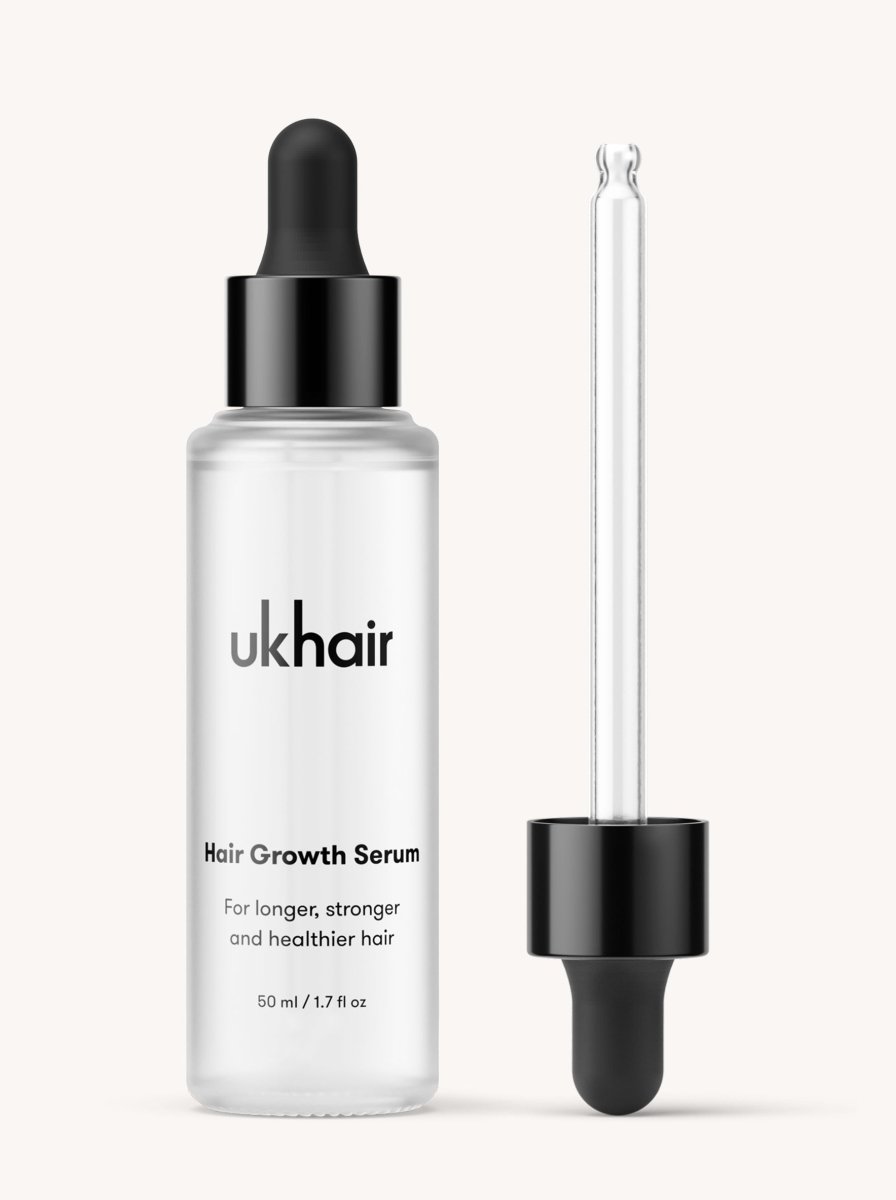
- Scalp health - Regular Shampoo, Conditioner and Mask is important, alongside a topical Hair Serum
- Reduced stress - Finding ways to take time for yourself and keeping stress to a minimum is important
If anything, the real question isn’t how to rush the process, but how to support it properly.
So ultimately, framing it as a choice between hair supplements or diet misses the bigger picture.
Diet is the foundation, it provides the essential nutrients your body needs to function and regenerate. Supplements, including hair vitamins, step in to give your body a boost where it needs.
The appeal of a quick fix is understandable. But when it comes to hair, skin, and nails, the most visible results often come from the least glamorous habits, what you eat, how you live, and how well you understand your body.

 9 min read / 1 October 2026Winter Hair Trends 2026: The Colours, Cuts and Styles We’re LovingWritten by Lauren Butler
 15 min read / 29 September 2026How To Grow Eyelashes: The Lash Growth Cycle ExplainedWritten by Sarah Parkes
 8 min read / 24 September 20263 Steps To The Perfect Brows At Home: Your DIY Brow ChecklistWritten by Lauren Butler
 8 min read / 22 September 2026How Long Does a Lash Lift Last? Master Lash Lift Aftercare At HomeWritten by Lauren Butler
 6 min read / 17 September 2026Nano Brows vs Microblading: Which Treatment Is Best for You?Written by Lauren Butler
 6 min read / 9 September 2026Pumpkin Spice Latte Season Has Begun: 5 Autumn Makeup Trends We’re Obsessing OverWritten by Lauren Butler
 7 min read / 2 September 2026Unboxing the Best Beauty Advent Calendars Actually Worth Your MoneyWritten by Lauren Butler
 6 min read / 25 August 2026Meet The Lash Lift Kit Made For Your 5 Minute Morning RoutineWritten by Lauren Butler


