

Trichotillomania 101: Understanding, Spotting & Treating Hair Pulling Disorder
 The Lift & Grow SetFor instantly lifted lashes today and longer, fuller-looking lashes over time.
$112$100.80
If you’ve ever found yourself compulsively pulling out your hair, whether from your scalp, eyebrows, or eyelashes, you might have experienced a condition called Trichotillomania. While often misunderstood, this is a recognised mental health disorder that affects people of all ages.
If you’re reading this and finding yourself relating to these experiences, know that what you’re feeling is valid, and recognising it is a strong and positive step.
In honour of Hair Loss Awareness Month this August, we’re breaking down different types of hair loss and this time, we’ll be speaking about the definition of Trichotillomania, the signs to look out for, why it happens, and the most effective Trichotillomania treatments available.
What is Trichotillomania?
The definition of Trichotillomania (also known as “hair pulling disorder”) is a mental health condition where a person feels an irresistible urge to pull out their own hair. This isn’t the occasional habit of twirling hair around your fingers, it’s a persistent compulsion that can cause noticeable hair loss and emotional distress.
Trichotillomania is classified as a “body-focused repetitive behaviour” (BFRB), similar to skin picking or nail biting. While it can be associated with pulling hair from the scalp, you can also experience Trichotillomania eyelashes and Trichotillomania eyebrows.
Symptoms & How to Spot Them
Trichotillomania symptoms can vary in intensity, but common signs include:
- Frequent hair pulling - Often without realising, such as while reading, watching TV, or working.
- Noticeable hair loss - Bald patches on the scalp, gaps in eyebrows, or missing eyelashes.
- Hair pulling rituals - Some may roll, examine, or even chew the hair after pulling.
- Emotional cycle - Feeling tension before pulling, relief or pleasure afterwards, then feelings of guilt or shame. Those dealing with Trichotillomania might wonder “why does Trichotillomania feel good?”. Research suggests the act can trigger a release of endorphins, aka the body’s natural feel-good chemicals, which temporarily eases stress or anxiety.
Causes & Triggers
There’s no single cause for Trichotillomania, but common triggers include:
- Stress or anxiety: Pulling may act as a coping mechanism.
- Boredom or inactivity: Idle hands can lead to unconscious pulling.
- Sensory triggers: Feeling a coarse hair or irregular texture can prompt the urge to remove it.
- Neurological factors: Links have been found between ADHD and Trichotillomania, suggesting that impulse control differences may play a role.

The Connection Between ADHD and Trichotillomania
Studies have found that around 79% of those dealing with Trichotillomania also experience at least one additional mental health condition, with ADHD being one of the most common. This might be due to shared characteristics like impulsivity, difficulty with self-regulation, and a need for sensory stimulation. If you have ADHD and notice repetitive hair pulling, know that addressing both together can make a real difference to your overall wellbeing.
Trichotillomania in Eyelashes and Eyebrows
Experiencing Trichotillomania in your eyelashes and eyebrows is more common than you might think. Pulling from these delicate areas can be especially distressing due to the immediate visual impact and slow regrowth. Many people turn to false eyelashes for Trichotillomania, which can be a good quick fix to help restore confidence during recovery.
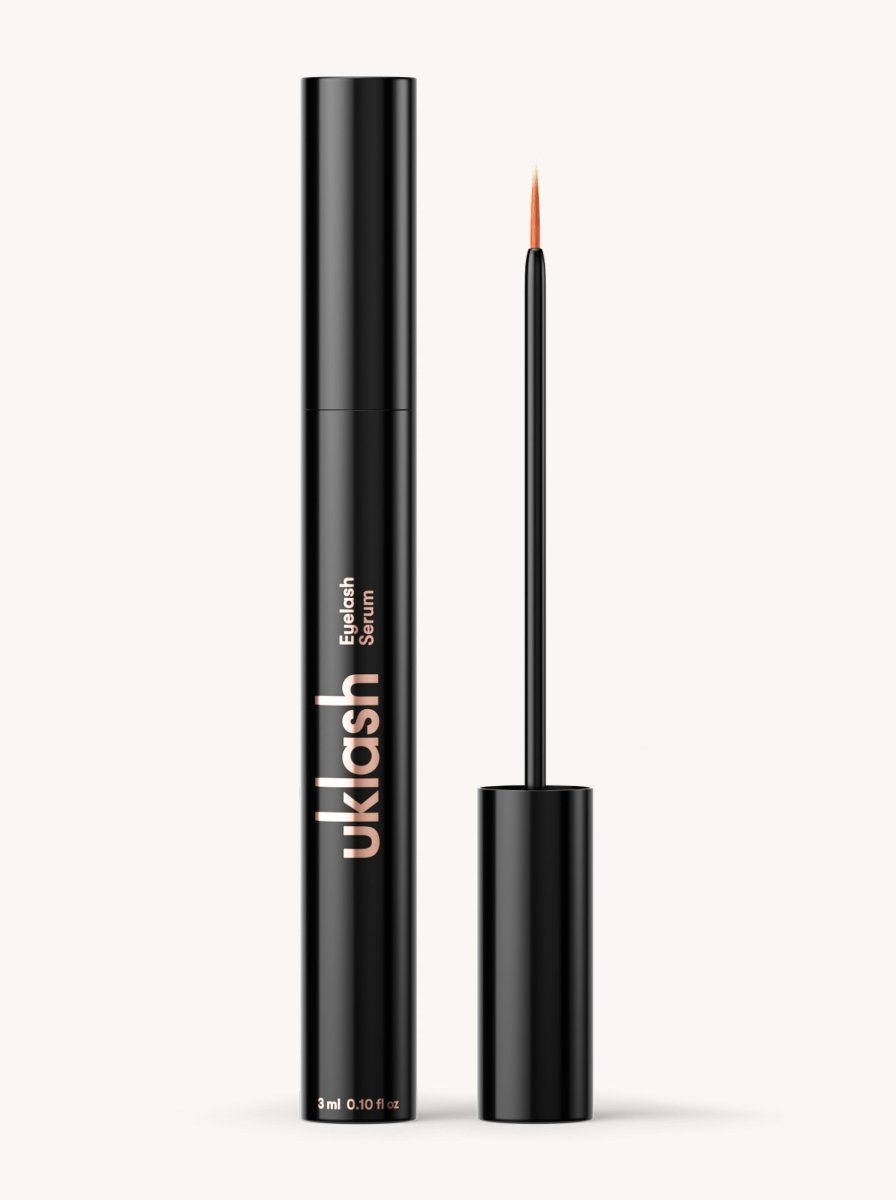
However, if you’re looking to restore your natural lashes and feel like yourself again, we have just the thing at UKLASH, our world-renowned Eyelash Serums. Take our quiz today to find out which one is perfect for you and start your journey back to feeling healthier, bolder and stronger.
Hair Pulling Trichotillomania Treatment Options
There’s no one-size-fits-all cure, but a combination of approaches often works best. Here are the most common and effective trichotillomania treatments:
1. Cognitive Behavioural Therapy (CBT)
A specific type called Habit Reversal Training (HRT) helps identify triggers, develop competing behaviours, and replace hair pulling with healthier responses.
2. Medication
Some doctors prescribe antidepressants or anti-anxiety medication to reduce the urge, though they’re usually combined with therapy.
3. Fidget Toys for Trichotillomania
Sensory tools like stress balls, textured putty, or tangle toys can keep your hands busy when the urge to pull strikes.
4. Mindfulness & Stress Management
Yoga, meditation, or breathing exercises can help reduce the stress and anxiety that fuel pulling behaviours.
5. Serums & Cosmetics
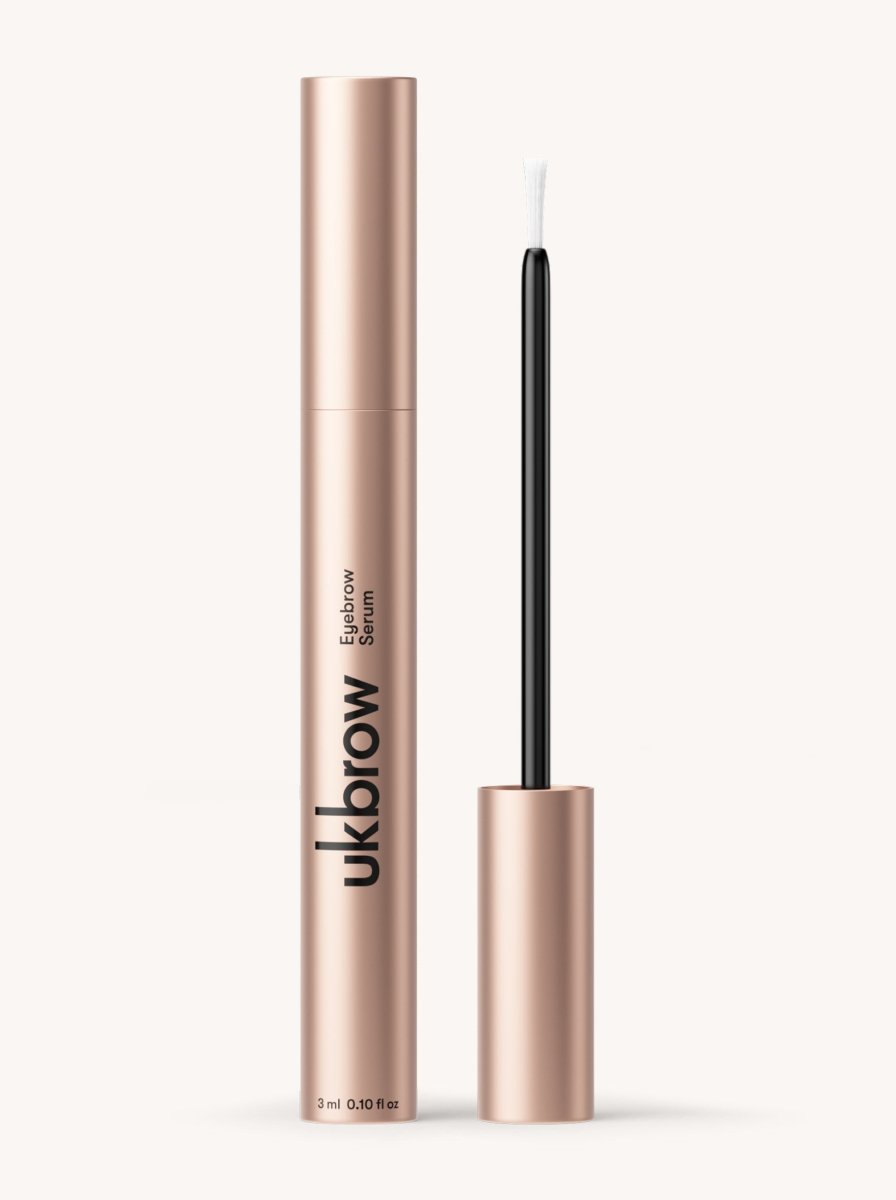
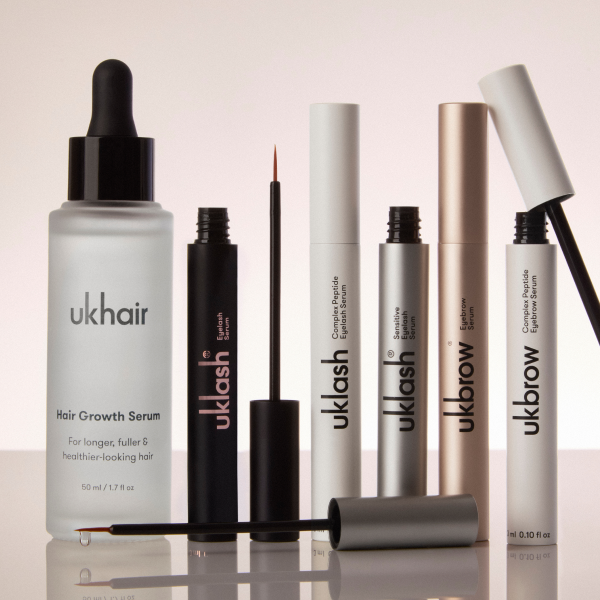
For those experiencing lash or brow loss, the UKLASH range of lash and brow serums, brow pencils, or pomade can help restore your natural lashes and brows and help rebuild your confidence.

Why Early Intervention Matters
The earlier you seek hair pulling trichotillomania treatment, the more likely you are to break the cycle and regain healthy hair growth. Leaving trichotillomania untreated can lead to permanent hair damage, scarring, and ongoing emotional distress.
And remember, asking for help is never a weakness. It’s an act of self-care that can be the first step toward feeling like yourself again.
Daily Tips for Managing Trichotillomania
- Identify Triggers - Keep a journal of when and where you pull.
- Reduce Pulling Opportunity - Use gloves, hats, or false lashes to reduce access to hair.
- Replace The Habit - Swap pulling with squeezing a fidget toy or brushing your hair.
- Seek Community - Support groups, both in-person and online, can help reduce shame and isolation.
Living with Trichotillomania
Trichotillomania doesn’t define you. With the right Trichotillomania treatments, support, and coping strategies, it’s possible to regain control over the habit and rebuild both hair and confidence. Whether you’re exploring therapy, stocking up on fidget toys for Trichotillomania, or using nourishing eyelashes for trichotillomania products, every step you take is progress. Be kind to yourself through the process; healing takes time, and every small step forward is worth celebrating.
Resources For Those With Trichotillomania
If you or someone you know is struggling with pulling hair trichotillomania, remember - you’re not alone. Below are some helpful community resources that will allow you to learn more about the condition and how you can get back to feeling healthier, bolder and stronger.
- Reddit - The Trichotillomania Reddit thread is a great place to hear about other people’s stories and struggles, and a place to ask questions and confide in the wider community.
- Trichstop - A great online resource for learning more about the condition. Take an online test to self-diagnose and proceed with an online therapy course or watch webinars to take the first steps in understanding and handling the condition
-
Habit Tracker Apps - Download an app, like Rytmo, to track your hair pulling and stay motivated.
If you or someone you know is struggling with Trichotillomania, remember - you’re not alone. At UKLASH, we aim to be here for you through every age and every stage.
If you have any questions regarding your personal circumstances or want advice regarding what products can help to regrow your hair when experiencing Trichotillomania, feel free to reach out to our customer care team at contact@uklash.com

 6 min read / 9 September 2026Pumpkin Spice Latte Season Has Begun: 5 Autumn Makeup Trends We’re Obsessing OverWritten by Lauren Butler
 7 min read / 2 September 2026Unboxing the Best Beauty Advent Calendars Actually Worth Your MoneyWritten by Lauren Butler
 6 min read / 25 August 2026Meet The Lash Lift Kit Made For Your 5 Minute Morning RoutineWritten by Lauren Butler
 6 min read / 24 August 2026What Are Ghost Lashes? Meet the Barely-There Lash TrendWritten by Lauren Butler
 7 min read / 21 August 20266 Natural Menopause Treatments That Really WorkWritten by Lauren Butler
 6 min read / 19 August 2026Do You Need An Eyelash Primer? Here’s When It Makes a DifferenceWritten by Lauren Butler
 4 min read / 6 August 2026Is Vitamin E Oil for Skin, Hair and Lashes the Ingredient You’re Missing for Growth?Written by Lauren Butler
 6 min read / 4 August 2026Hair Longevity Explained: Why Everyone's Talking About Ageing HairWritten by Lauren Butler
