

How To Stop Alopecia Areata From Spreading: Let’s Learn About Hair Loss & Alopecia
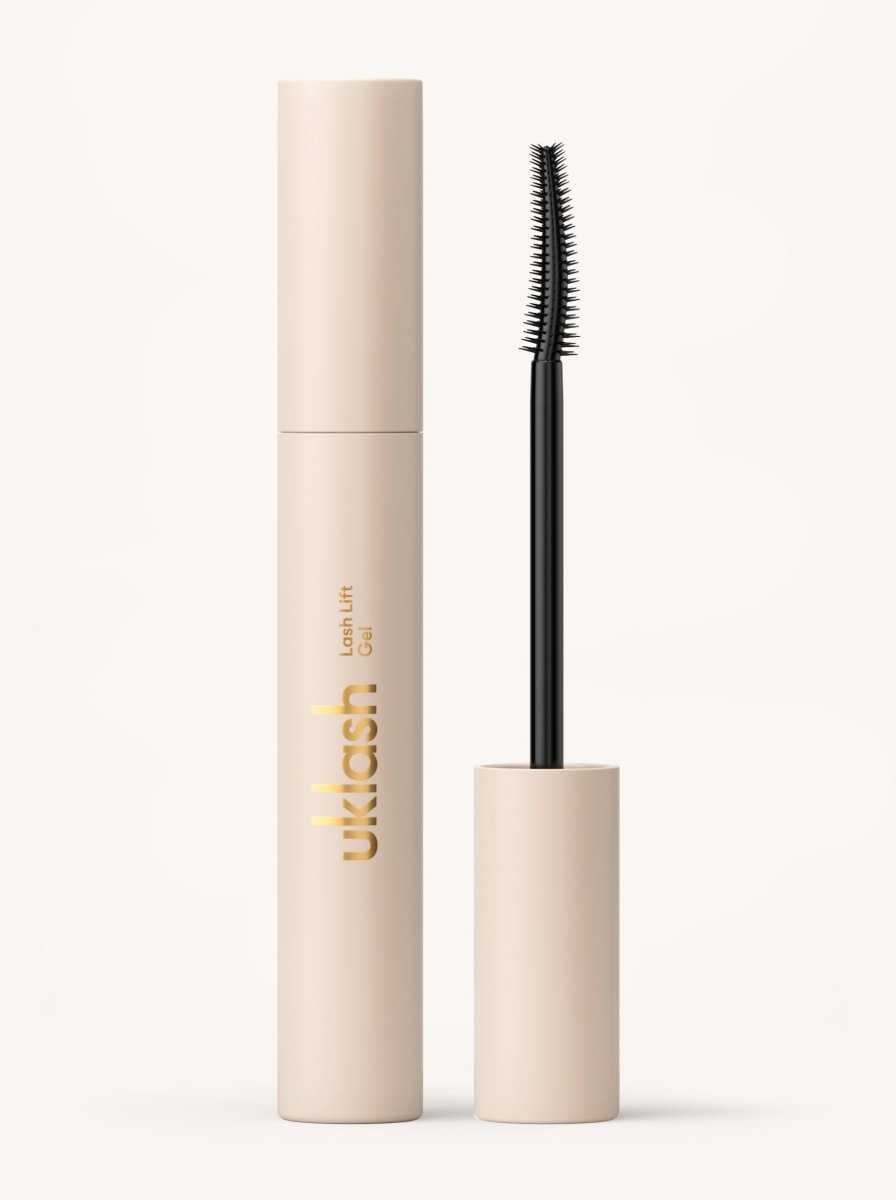
 The Lift & Grow SetFor instantly lifted lashes today and longer, fuller-looking lashes over time.
$132.79$119.51
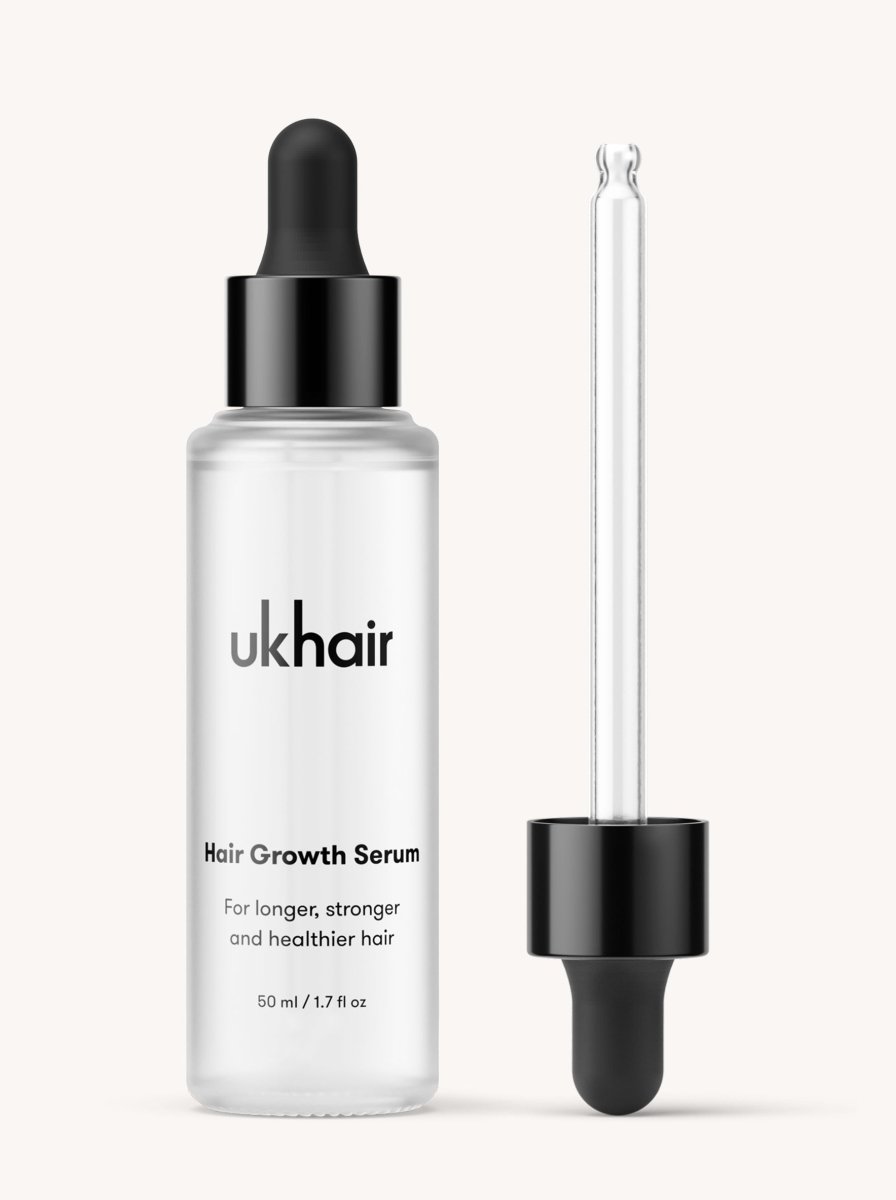
At UKLASH, we aim to be there for you through every age and every stage of life, no matter what it throws your way. In this article, we’re going to be breaking down alopecia areata, what it is, why it occurs and how to stop alopecia areata from spreading.
Our motto to Never Stop Growing goes beyond lashes, brows, and hair. It’s about growth in every area of life, whether personal, physical, or mental. Our mission is to empower you with the confidence to put your best foot forward and embrace every chapter of your journey.
So let’s get into it…
What Is Alopecia Areata?
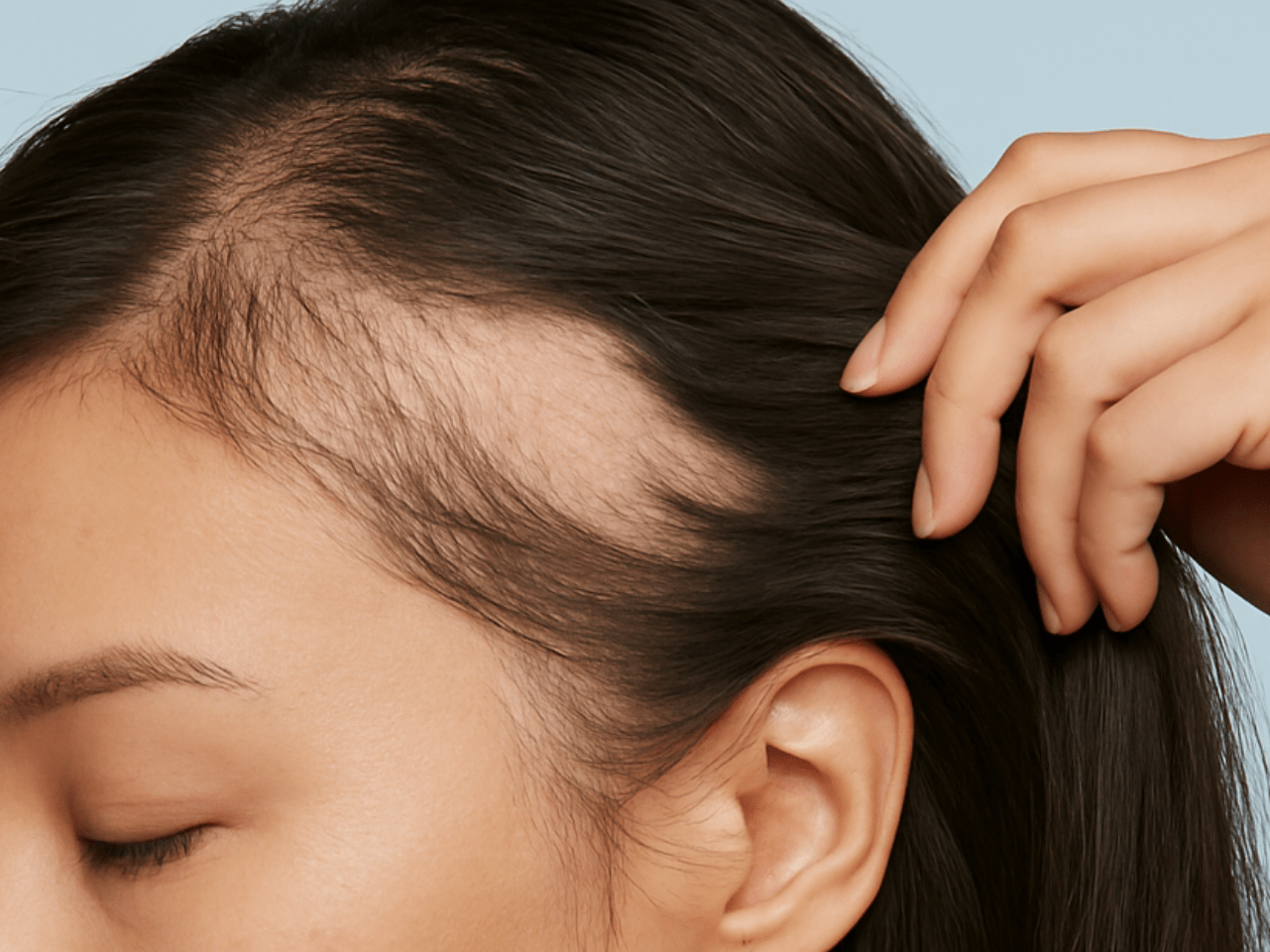
Alopecia areata is an autoimmune condition that causes sudden, patchy hair loss on the scalp and other areas of the body. Unlike typical hair thinning, alopecia areata appears in small, round patches that can expand or recur over time. Many people wonder, does alopecia go away?, and the truth is, it depends. For some, hair loss is temporary, and regrowth occurs naturally, while for others, the condition may persist or return in cycles.
Although not physically harmful, alopecia areata can deeply impact confidence and emotional well-being. Thankfully, treatments, lifestyle adjustments, and supportive care can help manage symptoms and encourage hair regrowth.

What Causes Alopecia Areata?
The exact cause of alopecia areata is still not fully understood, but research points to an overactive immune system mistakenly attacking healthy hair follicles. Several factors may contribute, including:
-
Genetics - A family history of autoimmune conditions can increase risk, so it might be worth asking a parent or close family member if they know of anyone with the condition. Although, it is understood by the British Association of Dermatologists that around 2 out of 10 people affected by alopecia areata have a family history of the condition.
-
Stress - Many people ask, can stress cause hair fall? The answer is yes! Stress is a known trigger that can worsen alopecia areata or spark flare-ups. So if you’re feeling high levels of stress or anxiety, try and find ways to keep this to a minimum. Why not take a look at our top 10 healthy habits to help you prioritise your mental health and wellness.
-
Lifestyle Factors - Some people wonder, does smoking cause alopecia? and can dandruff cause alopecia? While smoking does not directly “cause” alopecia areata, research shows that it contributes to poor scalp health, reduced blood flow to the follicles, and higher levels of oxidative stress; all of which can make hair more fragile and prone to shedding. Over time, smoking can also worsen existing hair loss conditions and slow down regrowth. As for dandruff, it is not a root cause of alopecia areata since the condition is autoimmune in nature. However, persistent dandruff often signals an irritated or inflamed scalp. This irritation doesn’t trigger alopecia areata directly, but it can weaken the scalp’s barrier, disrupt the natural hair growth cycle, and lead to increased shedding. In some cases, chronic scalp inflammation can make existing hair loss appear more severe, which is why maintaining good scalp health is such an important part of managing hair concerns.
- Autoimmune Conditions - People with thyroid disease, vitiligo, or type 1 diabetes are generally more likely to experience alopecia areata, and that’s because all of these conditions are connected to the immune system. If the immune system is already misfiring in one area of the body, it’s more likely to do the same elsewhere, which is why alopecia areata is often linked with other autoimmune issues.
How To Stop Alopecia Areata From Spreading
If you’ve noticed patchy hair loss, you’re probably searching, How To Stop Alopecia Areata From Spreading. While there is no guaranteed cure, you can take steps to protect your scalp, reduce triggers, and promote healthier regrowth.
-
Consult a Dermatologist. Early professional guidance can help you explore treatment options like topical steroids, injections, or light therapy. To find a dermatologist near you, head to the NHS’ Dermatologist Finder here and enter your postcode
-
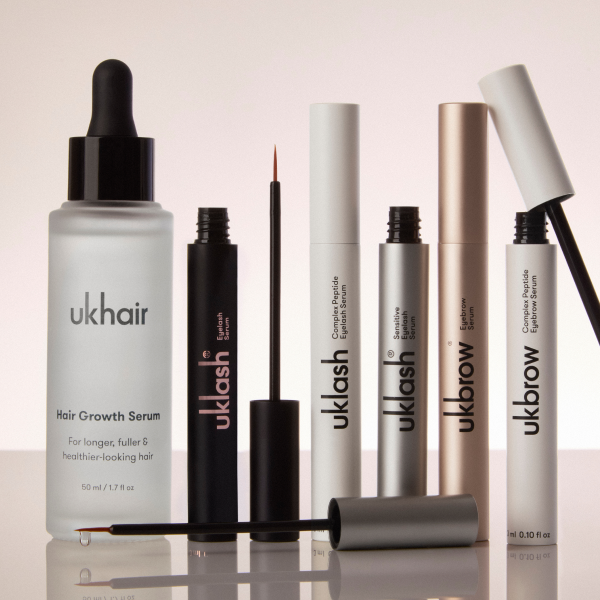
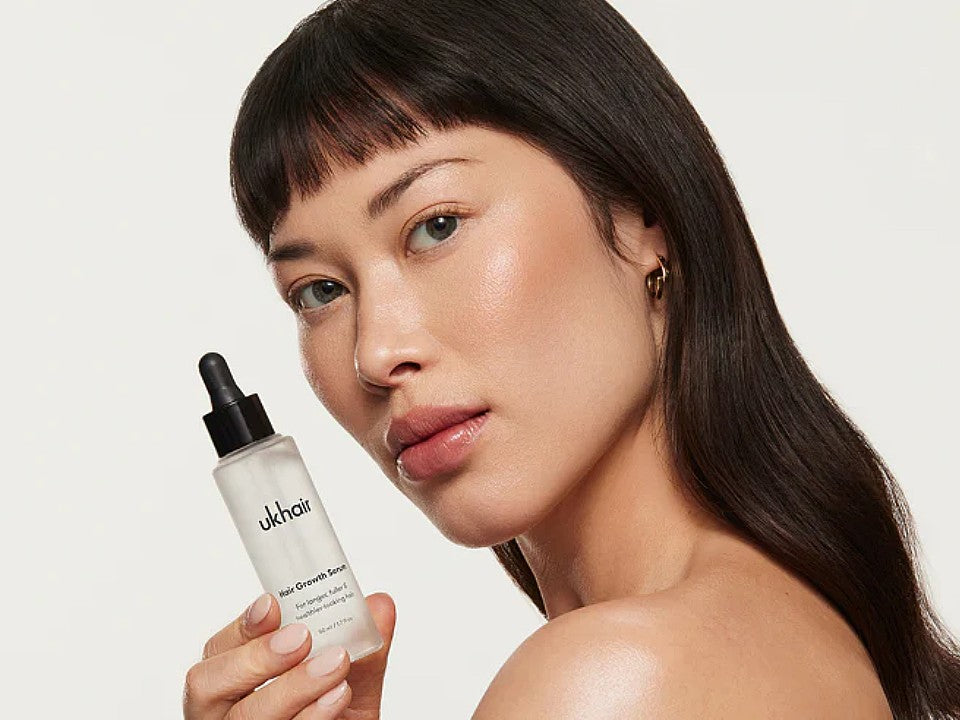
Support Your Scalp Health. It’s important to take care with your haircare routine, using gentle, nourishing products to keep follicles strong. When focusing on the scalp, using a daily serum such as our UKHAIR Hair Growth Serum can help to encourage regrowth, as it includes clinically proven ingredients such as AnaGain™ (Pea Sprout Extract), Turmeric and Lemon Fruit Water.
-
Manage Stress. We know life can get hectic, and stress is something we all feel. But did you know that stress can actually make hair loss worse, including alopecia areata? Taking a little time each day for yourself can really help. Whether it’s meditating for a few minutes, doing a gentle yoga flow, or even journaling your thoughts, finding ways to relax can calm your mind and your scalp. It’s not just about hair, it’s about feeling good in your own skin, which makes all the difference.
-
Avoid Smoking. Smoking isn’t just tough on your lungs—it can affect your hair too. Nicotine and other chemicals in cigarettes reduce blood flow to your scalp and weaken your hair follicles, making it harder for hair to grow back. Quitting may take time and support, but even small steps can improve your scalp health and give your hair a better chance to thrive. Think of it as an investment in both your hair and your overall well-being.
-
Balanced Nutrition. Healthy hair starts within. If your body isn’t getting enough of the right nutrients, it prioritises keeping vital organs healthy over hair growth. Vitamins and minerals like Biotin, Vitamin D, Iron, and Omega-3 fatty acids are all key players in keeping your hair strong and encouraging regrowth. A nutrient-rich diet can make a real difference, especially when you’re managing hair loss.
- Be Patient With Regrowth. Many ask, does hair loss grow back? In cases of alopecia areata, hair often does regrow, although the texture or color may differ at first. Remember to stay patient and consistant with your positive routine, taking small steps to feeling yourself again.

Resources For Those Dealing With Alopecia Areata
Coping with alopecia areata can feel overwhelming, but you are not alone. Here are some supportive resources:
- Hair Loss Hub - Head to the UKLASH Hair Loss Hub to find out how to spot alopecia areata alongside other hair loss conditions, and the best products to help combat each one.
- Alopecia UK – This is a great charity offering information, research updates, and community support for those dealing with alopecia. Also, once you become a cardholder, you can get discounts at local salons and wig boutiques in your area.
- NHS guidance – Reliable medical advice and treatment options. Head here to find your local dermatologist if you’re looking to get medically diagnosed.
- Reddit Thread – Connect with others experiencing similar challenges and ask for tips and tricks on how to deal with your condition.
While alopecia areata can be unpredictable, understanding its causes, learning How To Stop Alopecia Areata From Spreading, and finding the right support can make a huge difference. With the right care, many people see improvement, and yes, in many cases, does hair loss grow back.
Remember, at UKLASH, we’re here to help you, so if you have any questions regarding your personal situation that you need answered, feel free to reach out to our customer care team at contact@uklash.com.

 8 min read / 22 September 2026How Long Does a Lash Lift Last? Master Lash Lift Aftercare At HomeWritten by Lauren Butler
 6 min read / 17 September 2026Nano Brows vs Microblading: Which Treatment Is Best for You?Written by Lauren Butler
 6 min read / 9 September 2026Pumpkin Spice Latte Season Has Begun: 5 Autumn Makeup Trends We’re Obsessing OverWritten by Lauren Butler
 7 min read / 2 September 2026Unboxing the Best Beauty Advent Calendars Actually Worth Your MoneyWritten by Lauren Butler
 6 min read / 25 August 2026Meet The Lash Lift Kit Made For Your 5 Minute Morning RoutineWritten by Lauren Butler
 6 min read / 24 August 2026What Are Ghost Lashes? Meet the Barely-There Lash TrendWritten by Lauren Butler
 7 min read / 21 August 20266 Natural Menopause Treatments That Really WorkWritten by Lauren Butler
 6 min read / 19 August 2026Do You Need An Eyelash Primer? Here’s When It Makes a DifferenceWritten by Lauren Butler

