



Experts in Residence 06: Dr. Wedad on Skinimalism, Lash & Brow Health & How To Never Stop Growing
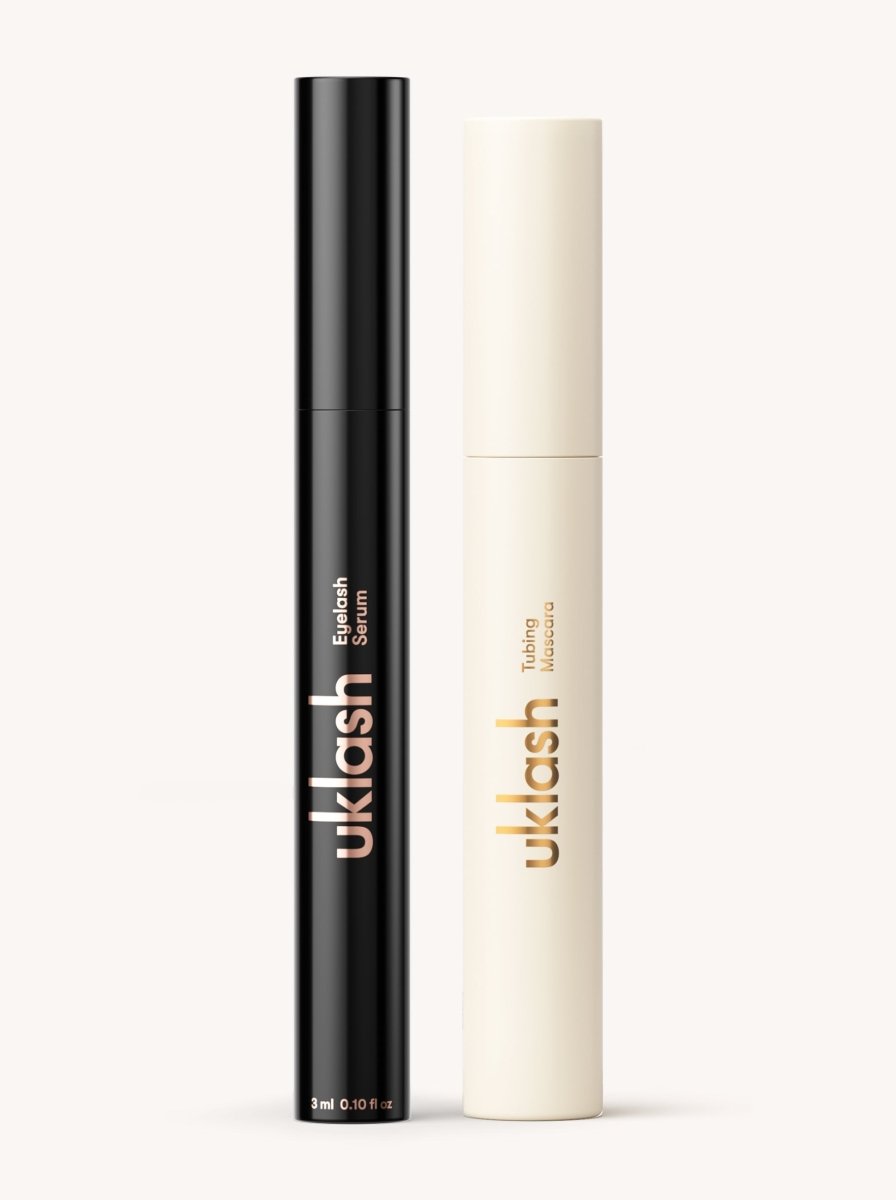 Lash Growth Serum + Tubing Mascara SetFor growing longer-looking, low-maintenance lashes
$123.68$80.39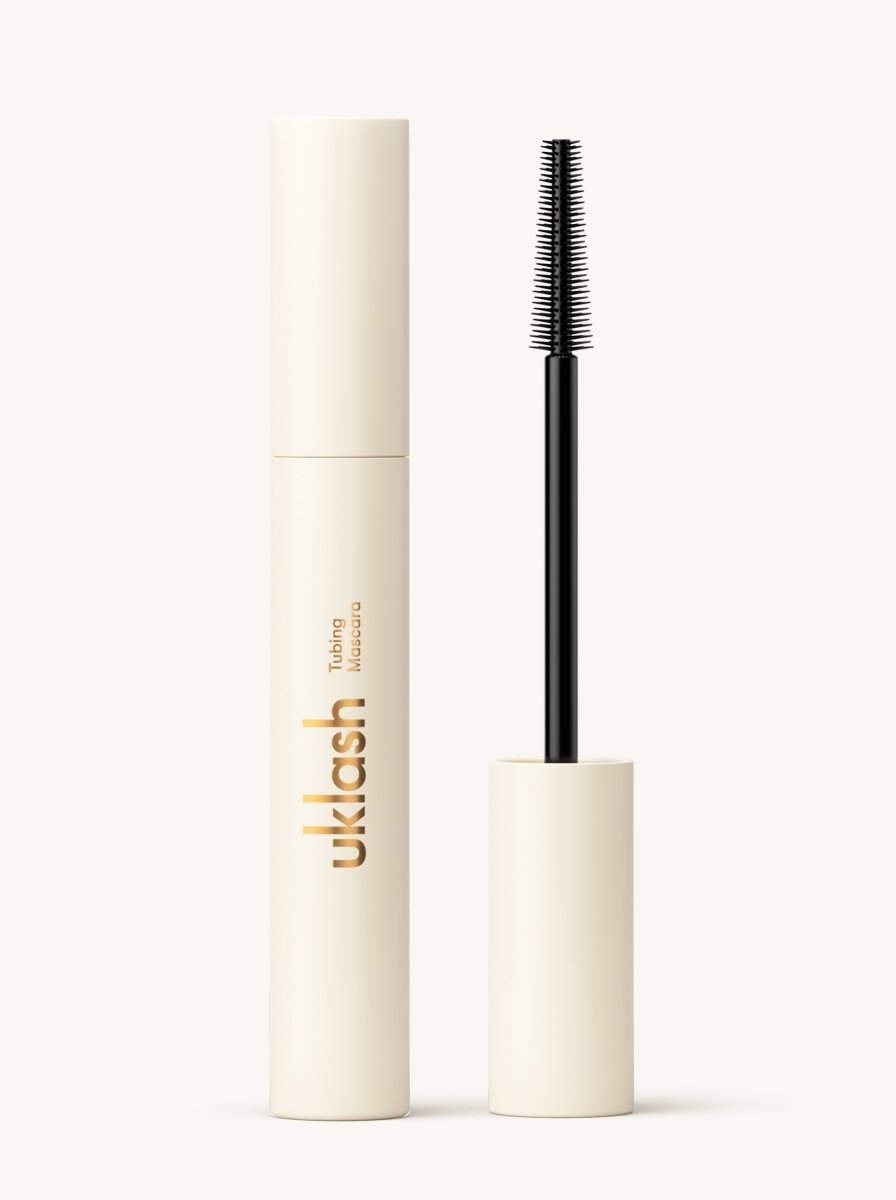
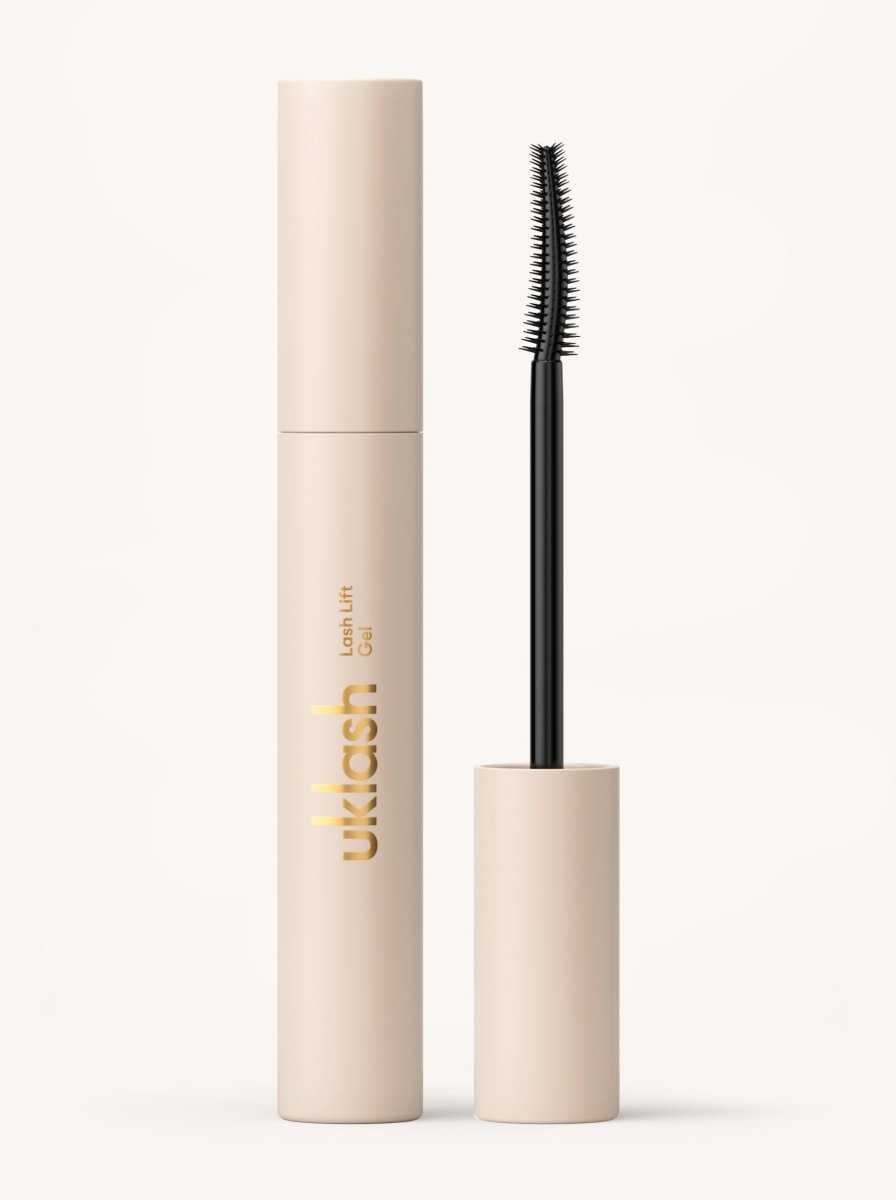
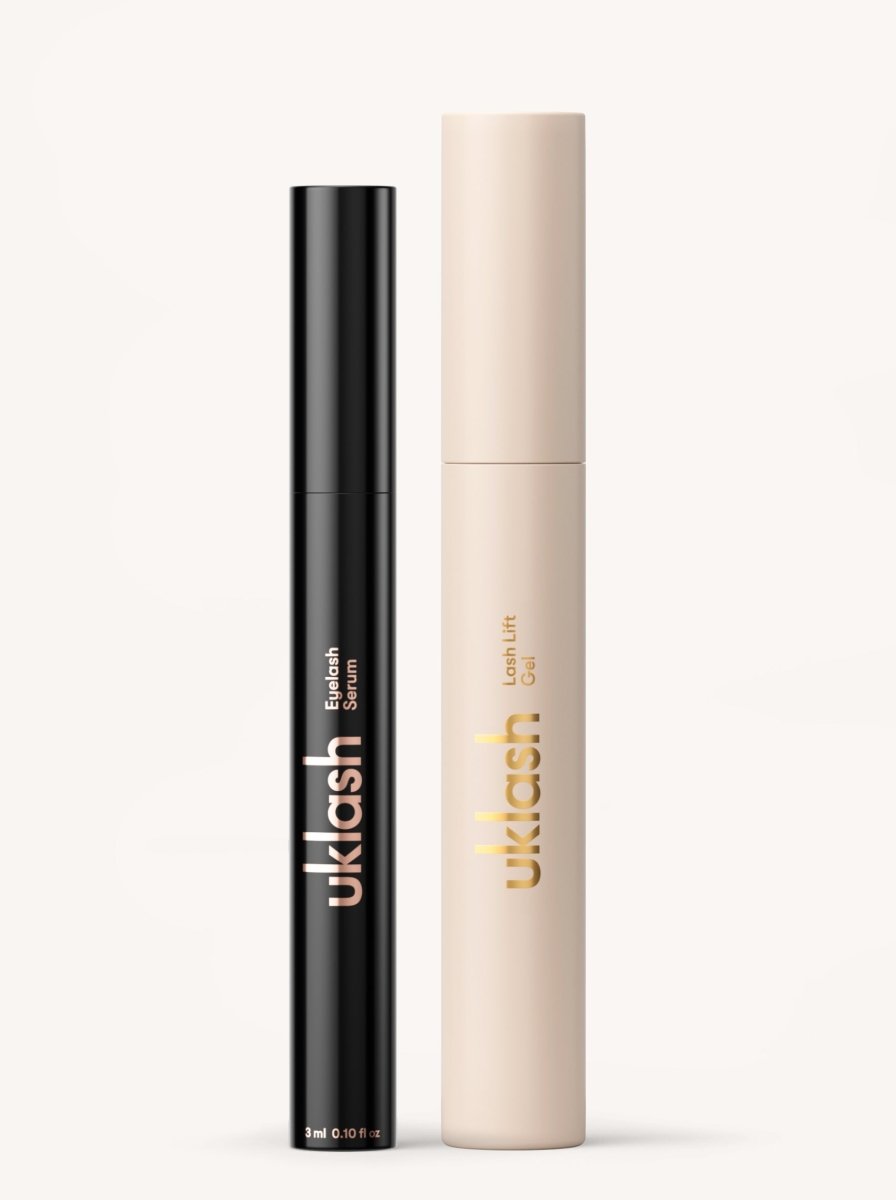 The Lift & Grow SetFor instantly lifted lashes today and longer, fuller-looking lashes over time.
$132.68$119.41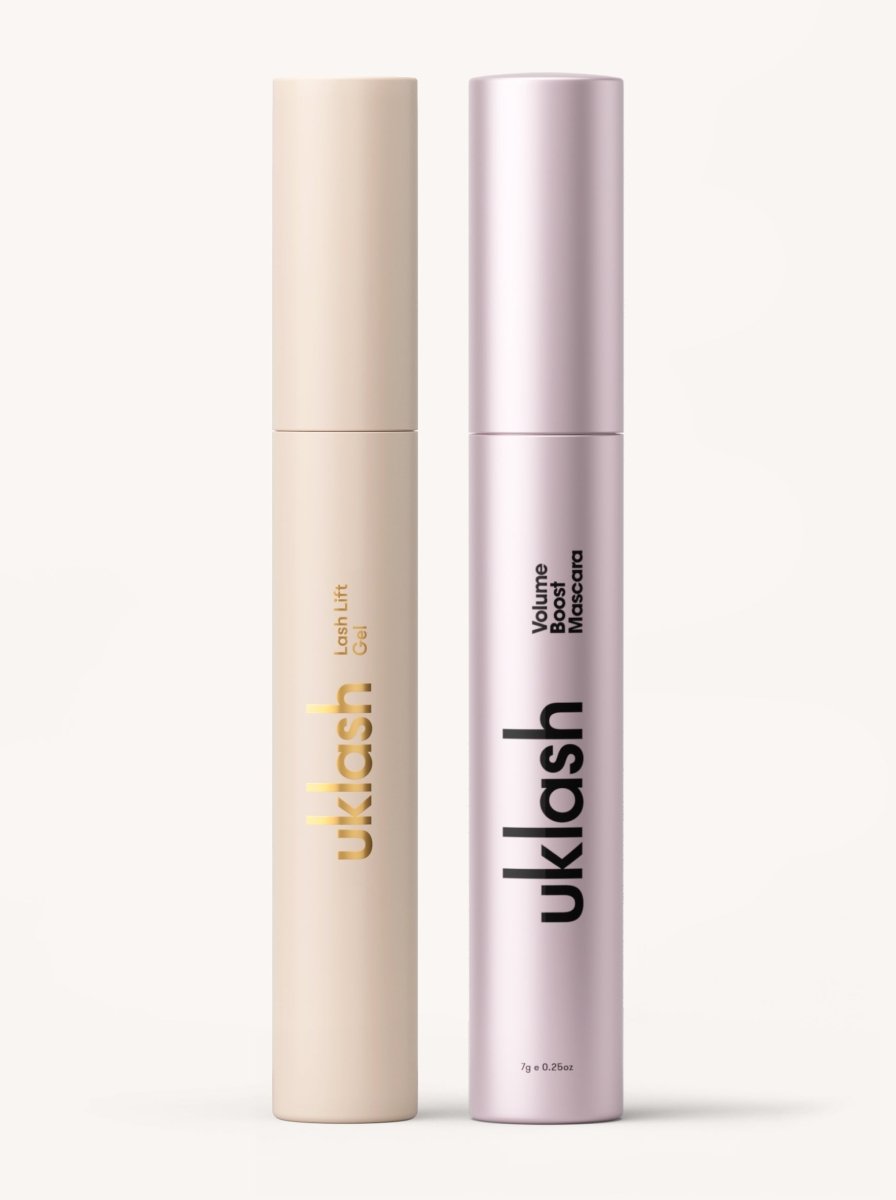
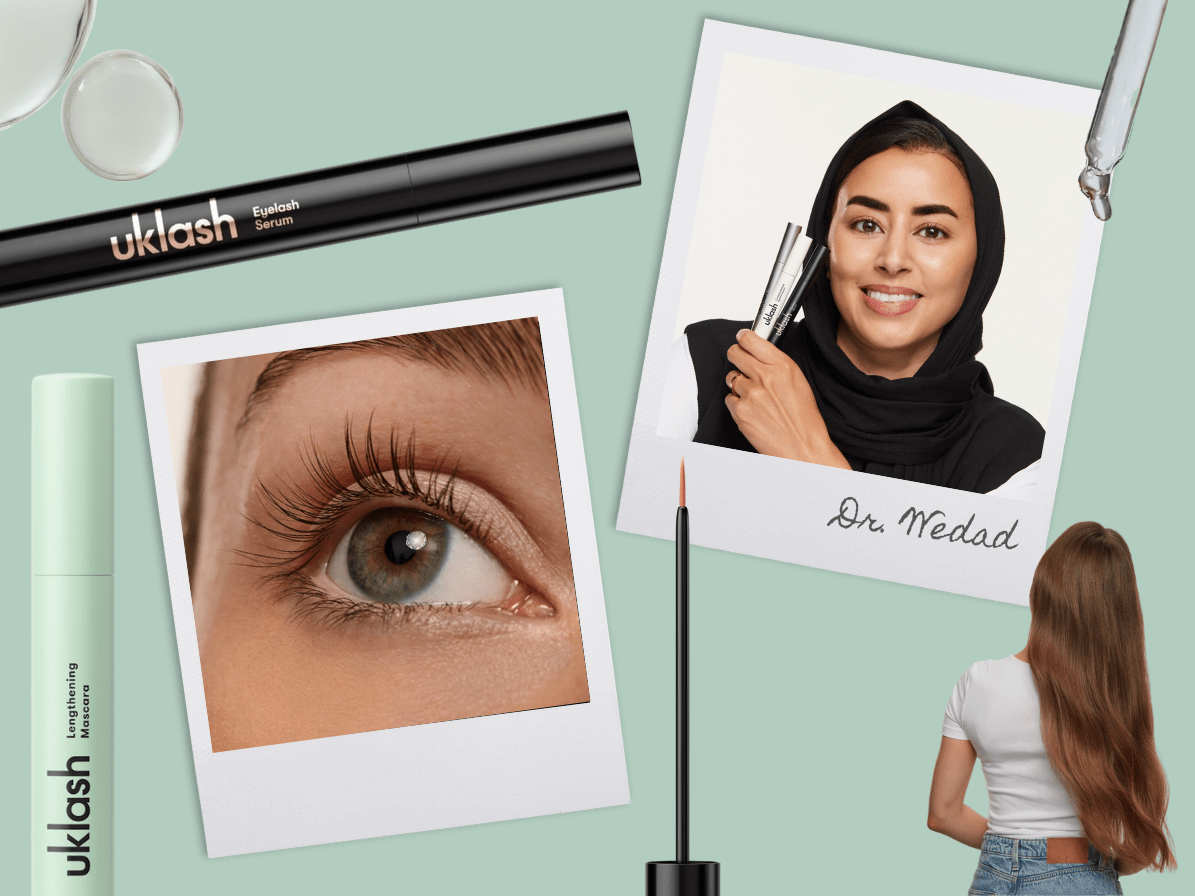
Our Expert In Residence series continues this July with advice from the brilliant Dr. Wedad, a UK-trained Consultant Dermatologist who knows how to care for your skin and build a beauty routine that helps you Never Stop Growing.
As a fully qualified, UK-trained dermatologist, Dr. Wedad brings insight rooted in years of hands-on clinical care, academic excellence, and advanced training at some of the UK’s most prestigious medical institutions. From working alongside plastic surgeons, to treating complex inflammatory and autoimmune skin conditions at the world-renowned St John’s Institute of Dermatology, it’s obvious her passion for skin health and beauty runs deep.
A strong advocate for skinimalism, she believes in simple, effective routines and multi-tasking products that support your skin. This month, she’s here to guide us through the evolution of your beauty routine, from lashes and brows to skincare, because like you, it should Never Stop Growing.
1. Here at UKLASH, we’re all about Never Stop Growing. What does that phrase mean to you, in a personal, physical and professional sense?
To me, “Never Stop Growing” is a mindset that applies to every part of life.
Personally, it’s about staying curious, embracing change, and understanding that growth isn’t always a straight line; sometimes it means slowing down, learning from setbacks, and showing up with purpose.
Physically, it’s about respecting how our bodies and skin evolve over time. As a dermatologist, I believe in evidence-based skincare that supports the skin’s natural function rather than chasing unrealistic perfection.
Professionally, it’s about staying open, challenging outdated ideas, embracing innovation, and always learning. Whether through research, continued education, or mentoring others, growth in medicine is key, because patients deserve our best.
2. How would you say your own beauty routine has evolved over the years?
My beauty routine has evolved from trend-led to intentional.
I used to layer on too many products, but as a dermatologist, I’ve learned that skin does best with consistency, not complexity.
Now, I stick to a few science-backed essentials like a gentle cleanser, exfoliator, toner, actives like antioxidants or retinoids, and daily SPF. I also think it’s important to pay attention to how products feel, especially for melanin-rich or sensitive skin.
Most importantly, my routine is now about self-care, not fixing flaws. It’s a daily pause, a way to respect and care for the skin I’m in.

3. What’s the best piece of beauty advice you’ve ever received, and who gave it to you?
The best piece of beauty advice I’ve ever received was from my grandmother, long before I trained as a dermatologist: “Your skin tells your story, treat it with kindness.”
At the time, I didn’t fully grasp what she meant, but over the years, it has stayed with me. That advice has shaped both my personal and professional approach to skincare.
Whether I’m treating patients or developing products, that principle guides me: be gentle, be thoughtful and always aim to support the skin, not fight against it.
4. If you had to describe your personal beauty evolution in three words, what would they be?
Empowered, intentional, discerning
5. You’re a strong advocate for skinimalism. What drew you to this approach, and why do you think it resonates with so many people today?
As a consultant dermatologist, I’ve seen how overwhelming skincare can get. Skinimalism encourages using fewer, well-chosen products that truly benefit the skin. In a world full of beauty noise, it promotes mindful, evidence-based routines tailored to your skin’s real needs, not passing trends.
6. For someone looking to ‘grow’ their routine without overcomplicating it, where’s the best place to start?
I would say work on building on a solid foundation by cleansing, toning and moisturising twice daily, exfoliating 1-3 times a week, and protecting your skin with a broad spectrum SPF.
Once these core steps are consistent, the next logical addition is a targeted active such as a Vitamin C Serum in the morning for antioxidant protection and brightening, or a retinoid in the evening to support cell turnover and address signs of ageing or congestion. These ingredients have a strong evidence base and can make a meaningful difference when used correctly.
My top tip is to add in one product at a time, allowing a few weeks to assess your skin’s response. This slow, thoughtful layering allows the routine to evolve in a way that supports the skin without overwhelming it.
7. How important is consistency versus switching things up as your hair and skin change?
Consistency is key to effective skincare and haircare, as both follow natural cycles that need time, often weeks or months, to show results, especially when incorporating actives like Retinoids or Vitamin C. But factors like age, weather, and stress can shift your skin and hair needs. Rather than constantly switching products, stick to a few essentials and adjust gently based on how your skin or hair responds.
8. Can you share a tip from your clinical practice that people can easily apply to their daily routine at home?
One tip is to apply moisturiser or body cream to damp skin, ideally within a minute of cleansing or showering. This simple habit helps lock in hydration far more effectively than applying to dry skin, as it traps water in the outer layers of the skin.
It’s a small change, but it can make a difference, especially for those with dry skin. This principle applies to both the face and body, and it’s a particularly useful tip during colder months when transepidermal water loss increases.

9. How does inflammation impact skin, lash and brow health, and what can we do to keep it in check through routine and lifestyle?
Chronic inflammation, from irritants, allergies, or skin conditions, can damage the skin barrier and disrupt hair growth, especially around the eyes. This may lead to weaker, shedding lashes or brows, along with redness and dryness.
To reduce inflammation, use calming ingredients like Niacinamide, Vitamin B5 (Panthenol), and Ceramides, and avoid harsh exfoliants or rubbing. Supporting your skin with stress management, a balanced, antioxidant-rich diet, and UV protection also helps keep inflammation in check.
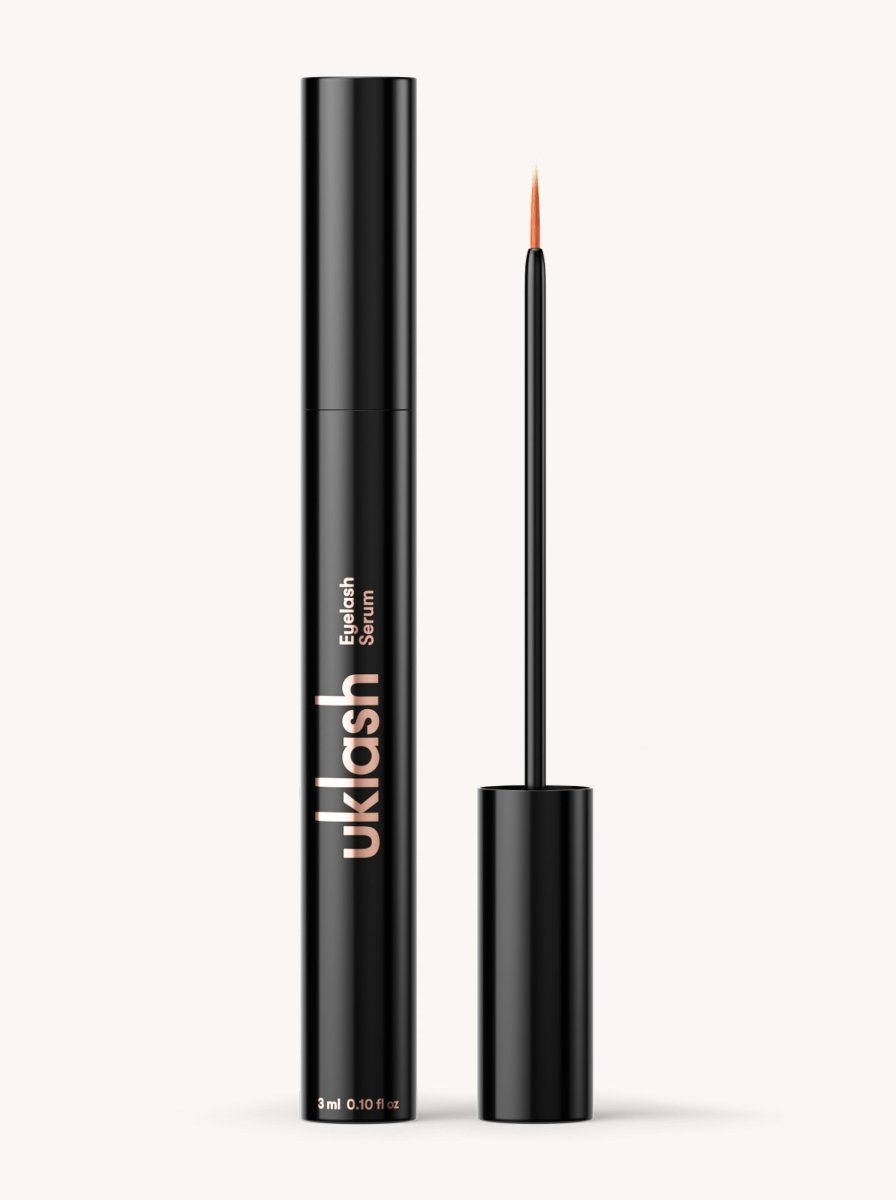
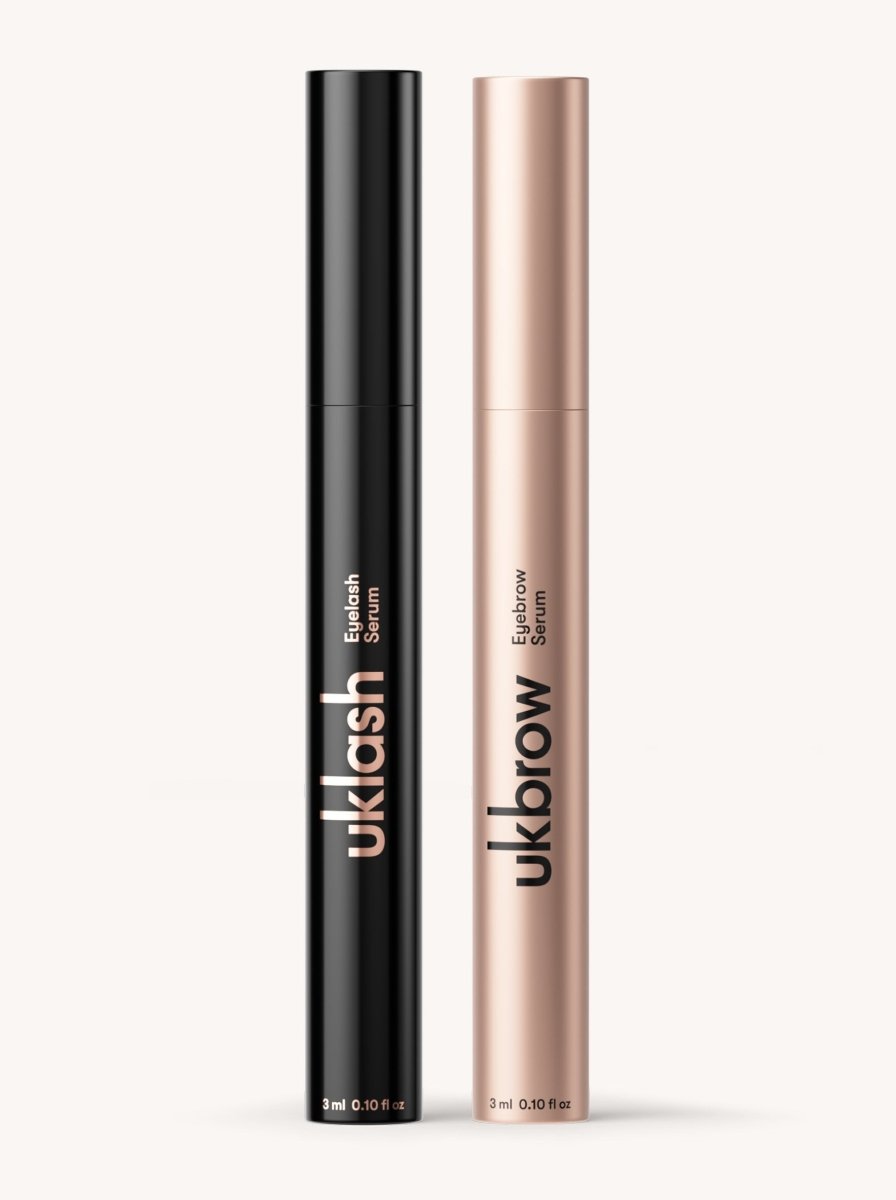
UKLASH Top Tip >>> Incorporating a UKLASH Lash Serum with anti-inflammatory ingredients can help to calm and soothe the eye area, creating the perfect environment for growth! Find out which of our three serums is for you by taking our quiz here!
10. What are the key differences between cosmetic and clinical-grade ingredients, and how can we make sure we’re shopping the best ingredients on the market?
The main difference between cosmetic and clinical-grade ingredients is in their concentration, formulation, and evidence.
Clinical-grade ingredients are used at proven therapeutic levels, backed by research, and designed to create real biological effects, like stimulating growth or repairing the skin barrier.
Cosmetic-grade ingredients, on the other hand, are often used in lower amounts for surface-level improvements, focusing more on feel and appearance than long-term results.
To shop the best ingredients on the market:
- Look for concentrations of key actives.
- Check for clinical data or dermatologist endorsements.
- Know that more actives isn’t always better. Focus on well-formulated, multi-functional products.
11. What are the most common medical reasons behind thinning lashes or brows, and when should someone seek professional advice?
- Alopecia Areata - an autoimmune condition that can cause patchy hair loss on the scalp, lashes and brows.
- Telogen Effluvium - physiological or emotional stress leads to hair shedding.
- Hypothyroidism - causes hair thinning, including in the eyebrows
- Deficiencies in Iron, Zinc, Biotin, Vitamin D, Vitamin B12 and Folate can also impair hair growth.
- Chronic Blepharitis or Dermatitis around the eyes can inflame follicles and contribute to lash loss.
Anyone experiencing sudden, patchy or persistent thinning of lashes or brows, or with accompanying symptoms like redness, itching or skin changes, should seek medical attention. Early diagnosis can guide appropriate treatment.
12. What role does overall skin health play in the health of our lashes and brows?
Since your lashes and brows grow from follicles in the skin, their condition depends a lot on how well your skin is doing.
Gentle cleansing, good hydration, and avoiding harsh ingredients can help you create the right environment for growth. Lash and brow serums with ingredients like Vitamin B5 (Panthenol), Peptides, or Natural Extracts, like those found in UKLASH’s formulations, can nourish both the hairs and the surrounding skin, supporting stronger, healthier growth.
13. Is there such a thing as overdoing lash and brow care? What are the signs that we might need to pare things back?
Yes, using too many products or harsh treatments can backfire. If you’re seeing redness, dryness, irritation, or more shedding than usual, your routine might be doing too much.
Overusing strong actives (like retinoids or acids) or piling on too many layers can irritate skin and clog follicles. If things feel sensitive, flaky, or you’re noticing brows and lash loss, it’s a good idea to scale back. Stick to gentle cleansing, hydrate well, and give your skin time to reset.
14. What’s one ingredient you think is underrated when it comes to lash, brow or skin health?
Vitamin B5 (Panthenol) is a quiet hero. It’s a humectant that keeps skin and hair hydrated, supports the skin barrier, and strengthens lashes and brows, helping reduce breakage and boost shine.
15. What’s your favourite UKLASH product and why?
My favourite product is the Original Eyelash Serum, which I’ve been using for 2 years.
Its clinically proven formula helps my lashes grow longer and stronger, so I can highlight my eyes naturally without heavy makeup.
It’s a small but powerful part of my daily routine. More than just lashes, it’s helped me feel confident showing up as my authentic self.
16. Do you have a lash or brow red flag? Something that makes you cringe when you see it in routines?
Tough removal of waterproof mascara and heavy brow products. If left on or removed harshly, it can lead to brittle lashes, breakage, and irritated follicles. The same goes for heavy brow makeup that clogs pores.
Over time, this kind of stress can cause shedding and slow down growth. To keep your lashes and brows healthy, always take the time to remove makeup gently but thoroughly, using an oil-based cleanser or Micellar Water for sensitive eyes.

17. What’s one lash and one brow product you’d take to a desert island if you could only use those forever?
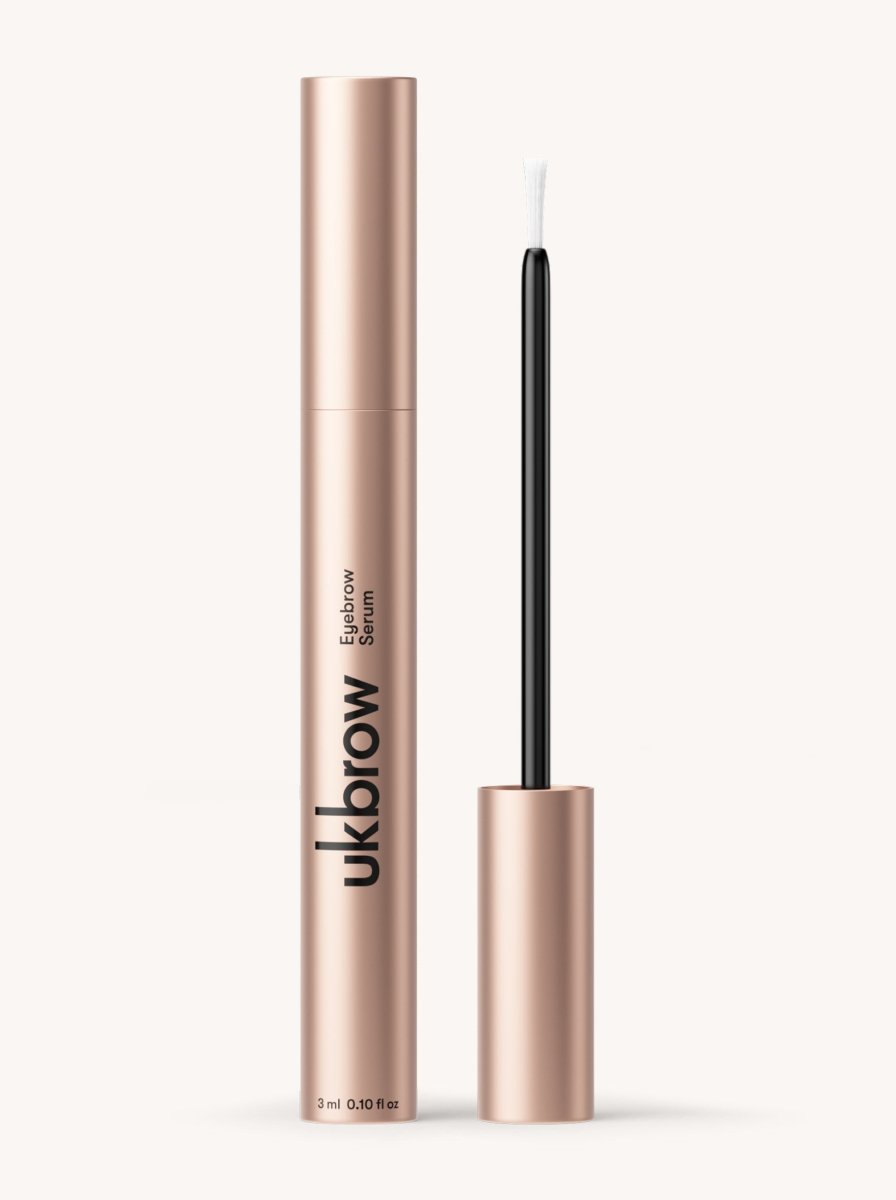
The UKLASH Complex Peptide Lash and Brow Serums for maintaining follicular health and preventing hair loss through a minimal routine that allows you to look naturally defined and refreshed, even without makeup!
18. Are there any signs people might be damaging their skin, lashes, brows or hair without realising it?
Yes! For skin the signs are dryness, tightness, redness, or breakouts that can come from over-cleansing, harsh exfoliants, or piling on too many actives without barrier support.
With lashes and brows, things like rubbing during makeup removal, daily waterproof mascara or over-plucking can lead to breakage, thinning, or patchy growth.
When it comes to hair, heat styling, tight styles, or chemical treatments can cause shedding, dullness, or thinning.
If you’re noticing sensitivity, dullness, or slower regrowth, it’s usually a sign to hit pause and reflect on what could be the cause. Gentle, consistent care and a simplified routine can go a long way in restoring health.
19. Complete the sentence: When my lashes and brows are on point, I feel…
confident and elegant, with no real need for makeup. It feels like the essentials are already taken care of.
20. Time for our obligatory quickfire round...
Lashes or Brows? Brows
Brow Lamination or Au Natural? Au Natural
Tweezers or Threading? Threading
Lash Tint or Mascara? Mascara (after a lash lift)
AM or PM Skincare Routine? PM (I like waking up with a soft moisturised face)
At UKLASH, we believe that beauty is about progress, not perfection, and Dr. Wedad’s insights are a powerful reminder of that. Whether you’re simplifying your routine, learning to listen to your skin, or just getting started with lash and brow care, every small step matters. With the right knowledge, consistency, and care, your beauty journey can be just as powerful and persistent as you are to Never Stop Growing.

 6 min read / 24 August 2026What Are Ghost Lashes? Meet the Barely-There Lash TrendWritten by Lauren Butler
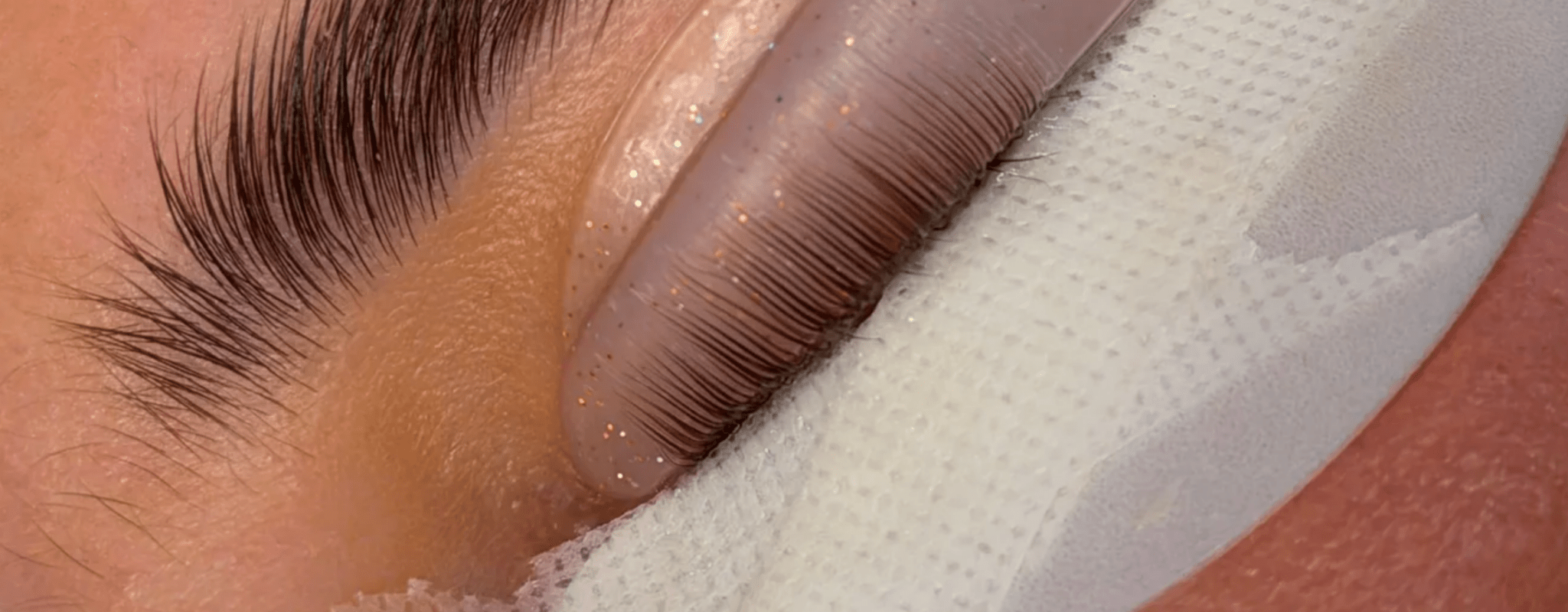 9 min read / 16 July 2026Lash Lift Aftercare: 5 Signs Of a Lash Lift Gone WrongWritten by Sarah Parkes
 6 min read / 7 July 2026What Are Hybrid Lashes? Everything You Need to Know (And How to Get the Look Naturally)Written by Lauren Butler
 7 min read / 23 June 2026Here We Grow Again: A Simple 5-Step Beauty Routine For Every DecadeWritten by Lauren Butler
 5 min read / 10 June 20263 Easy Beauty Habits That Can Transform Your LashesWritten by Lauren Butler
 5 min read / 21 May 2026Why Centella Is The Ingredient Your Lash Routine NeedsWritten by Lauren Butler
 7 min read / 12 May 2026Nima Knows: How Long Does It Take For Lashes To Grow?Written by Lauren Butler
 5 min read / 23 April 2026Korean Lash Lift vs LVL: What’s the Difference and Which Is Right for You?Written by Lauren Butler
