


How To Care For Type 4 Hair: 7 Expert Tips From Dr. Ehi Sarah
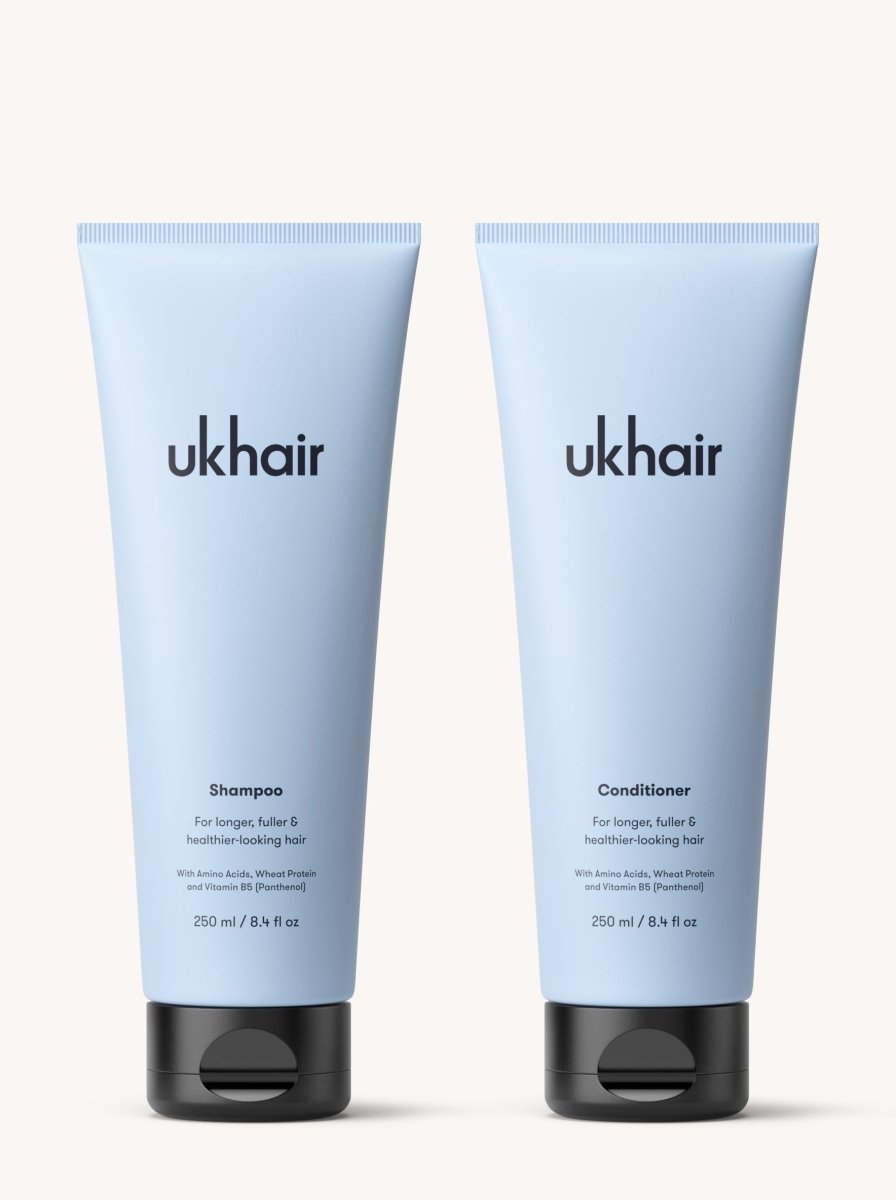
 The Scalp To Strand Set x Tangle TeezerFor supporting healthier-looking hair with gentle, everyday essentials
£44£35.20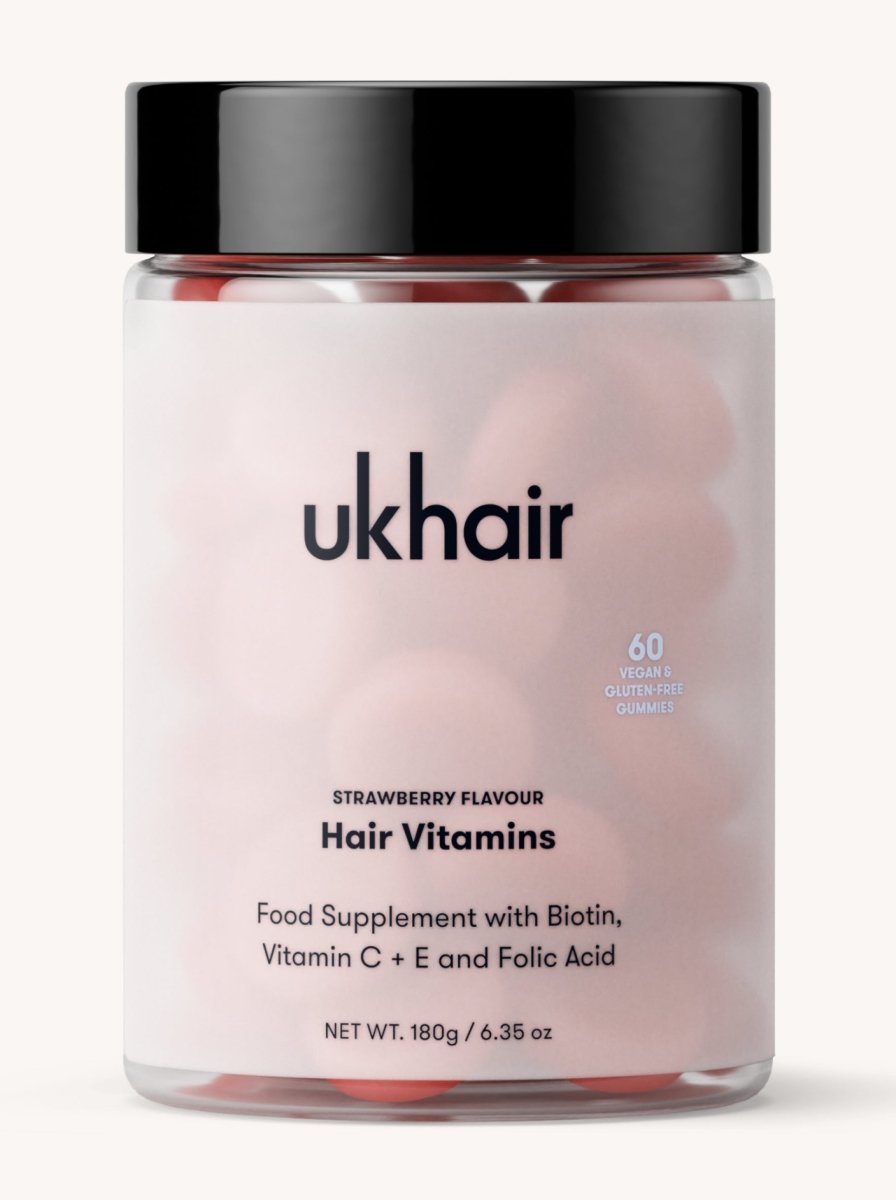
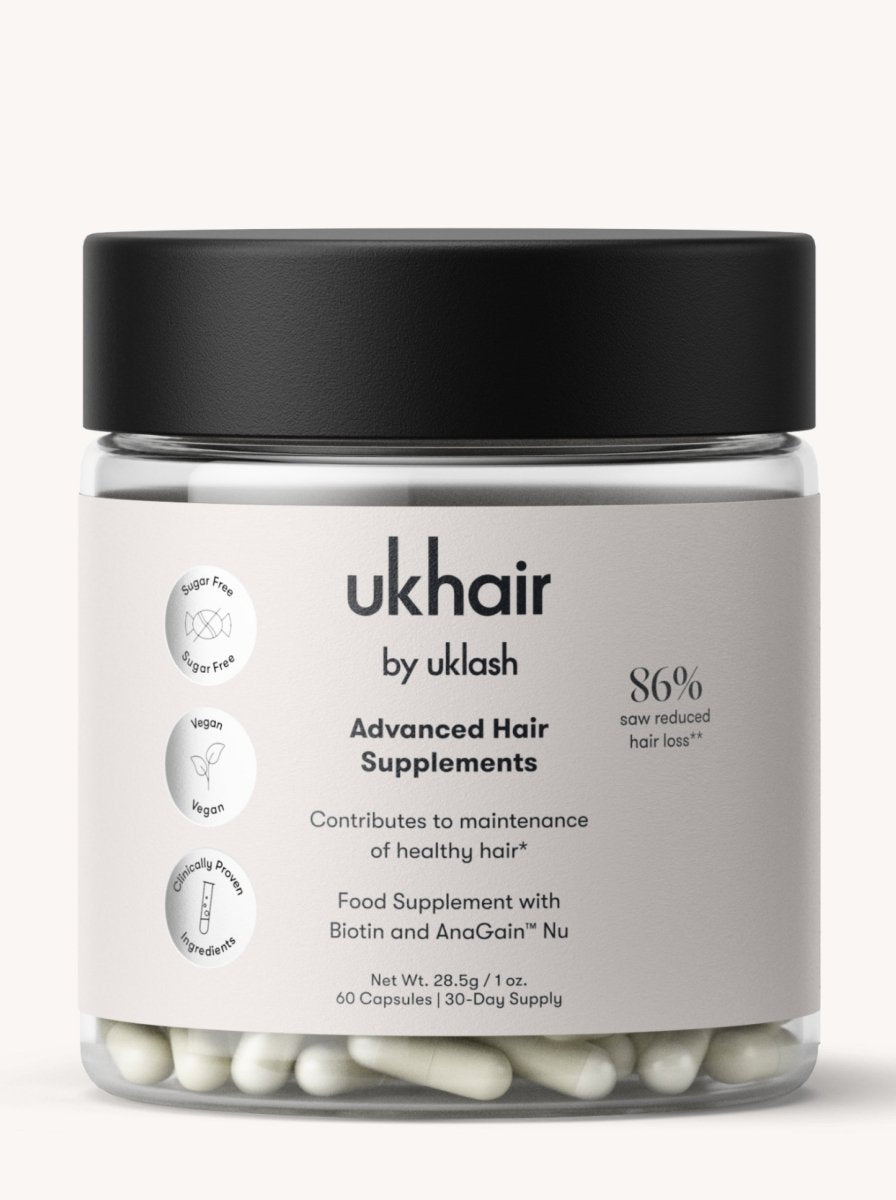 Advanced Hair SupplementsFor encouraging the appearance of stronger, longer, healthier-looking hair.
£25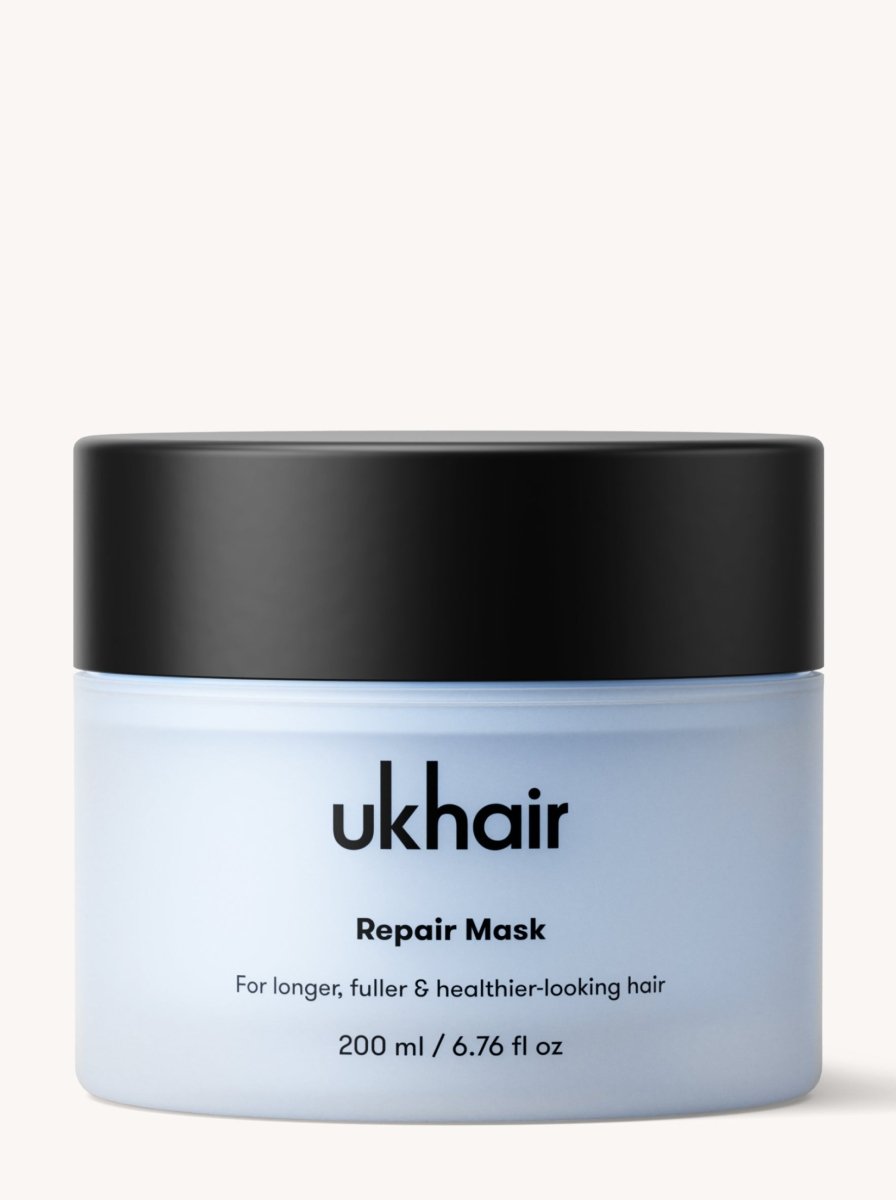

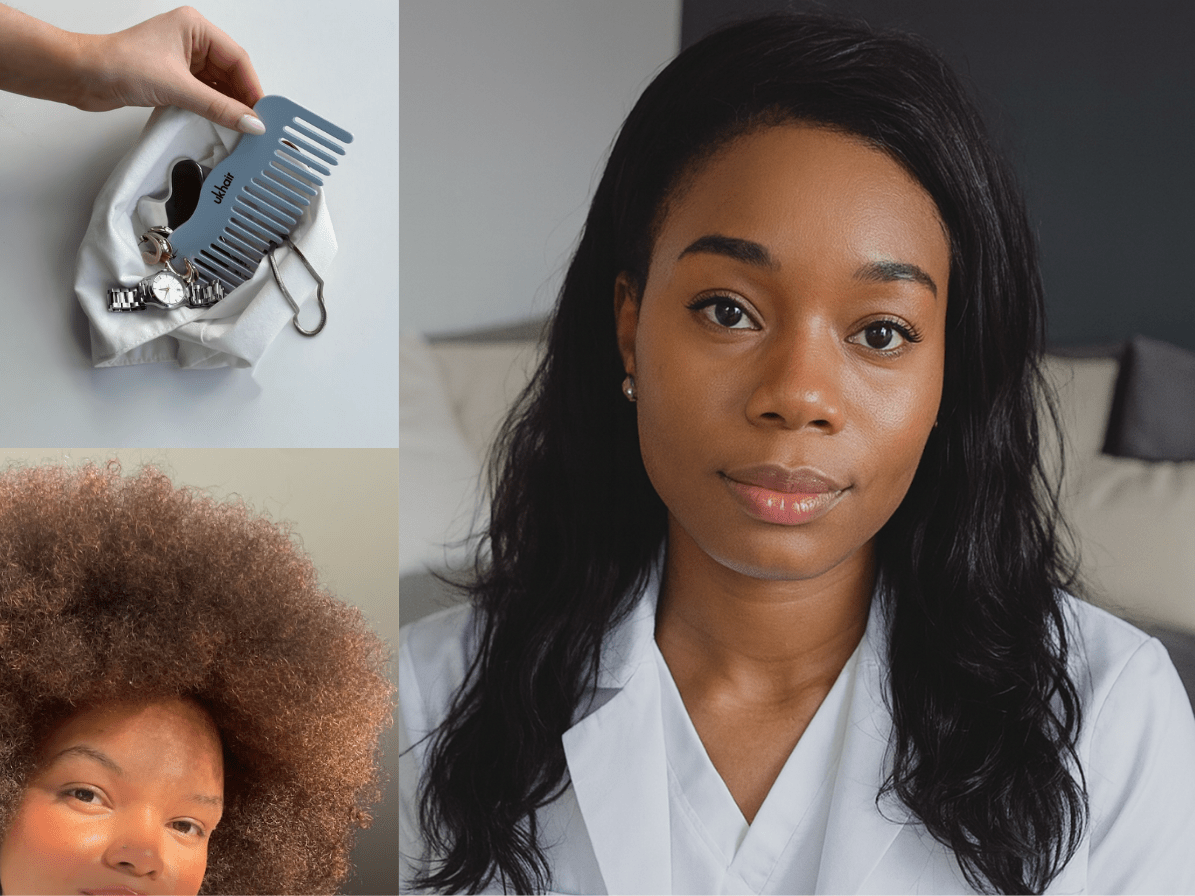
This month, we’re proud to spotlight the empowering voice of Dr. Ehi Sarah, Medical Doctor, Digital Creator, and passionate natural hair advocate.
Dr. Ehi Sarah uses her platform not only to educate but to inspire. Her journey began as a personal one, navigating the world of natural hair as a woman of colour, but it has since grown into a movement that’s helping others do the same, with clarity, confidence, and community.
Through her engaging series The Protective Files, Dr. Ehi Sarah dives deep into the science, technique, and culture behind protective styling, offering real, practical guidance for growing healthy Type 4 hair. From busting myths to decoding ingredient lists, her content is a masterclass in making natural hair care accessible, empowering, and rooted in self-love.
This month, she’s turning her expert lens on everything from routine staples and scalp health, to managing breakage, retaining length, and embracing the beauty of your texture. Whether you’re just starting your natural hair journey or looking to refine your routine, Dr. Ehi Sarah’s insight is here to guide you, so let’s get into it!

1. Keep Your Hair Care Routine Simple
“I would definitely say to just keep it simple and try not over complicate things. I think that's one of the biggest mistakes is trying to do too much and expecting a lot from a lot of different products, when all you need to do is just strip it down. I like to keep my daily hair care routine really simple. I literally put a little bit of oil on my ends and then tie it up like I have now and that's it! Everyday I put it up like that or using a claw clip, and then I wash my hair once a week, cleansing the scalp and conditioning the strands.”
2. Don’t Believe All Hair Advice You See Online
“Being a doctor has helped me to discover the real science and debunk a lot of the pseudoscience I see out there, especially when it comes to curly or type 4 hair. So if I see a new trend online, I definitely look into what the actual evidence is and how I can apply that to my unique hair type. One of the biggest myths I see online is the fact that our hair length is determined by genetics. Although genetics can play a part, lots of other factors do too, so most likely, you do have the potential to grow your hair as long as you like! It’s all about taking care of the hair you have and giving it the best chance to grow with a whole food diet and consistent, nourishing routine. When creating my own online content, I try to think back to what I’m doing it for, who I am speaking to and what the message is I'm trying to deliver. It is quite a fun industry because of the constant flow of trends, as it means that you can interpret them in your own individual way and find a new way to deliver the real science to your audience!”
3. Avoid Tight Hairstyles
“One of the biggest mistakes people with Type 4 hair make is to wear tight hairstyles that pull on the hair follicle and lead to traction alopecia. Those kind of hairstyles are very common, and gradually you’ll start to notice that your edges are pulling off, or you might see thinning at the crown, so try to avoid where possible!”
4. Don’t Underestimate The Importance of Scalp Care
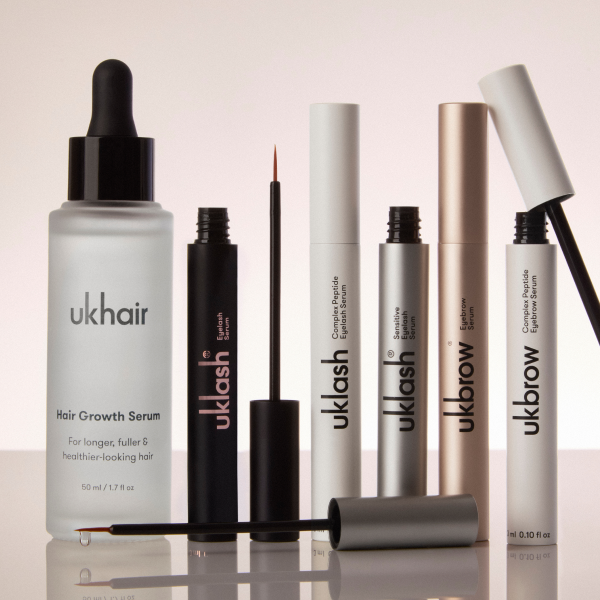
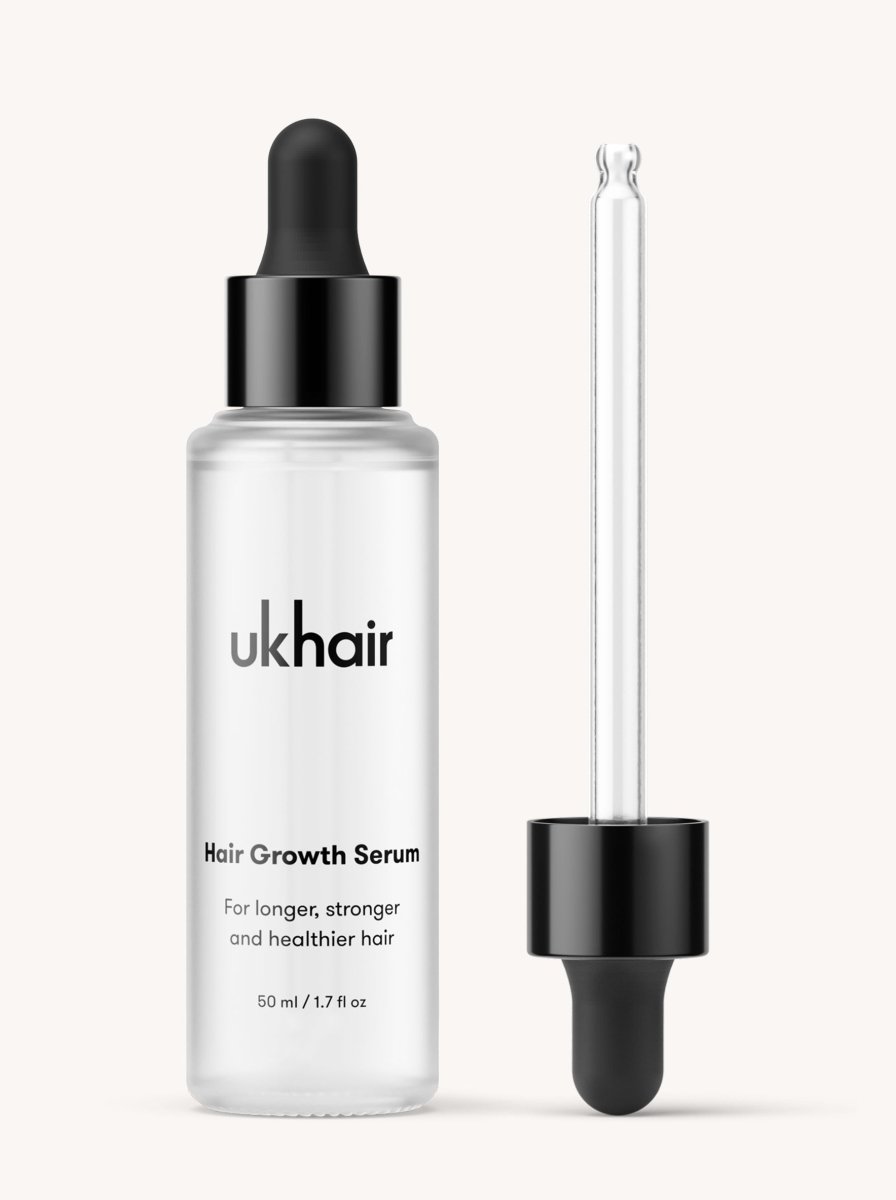
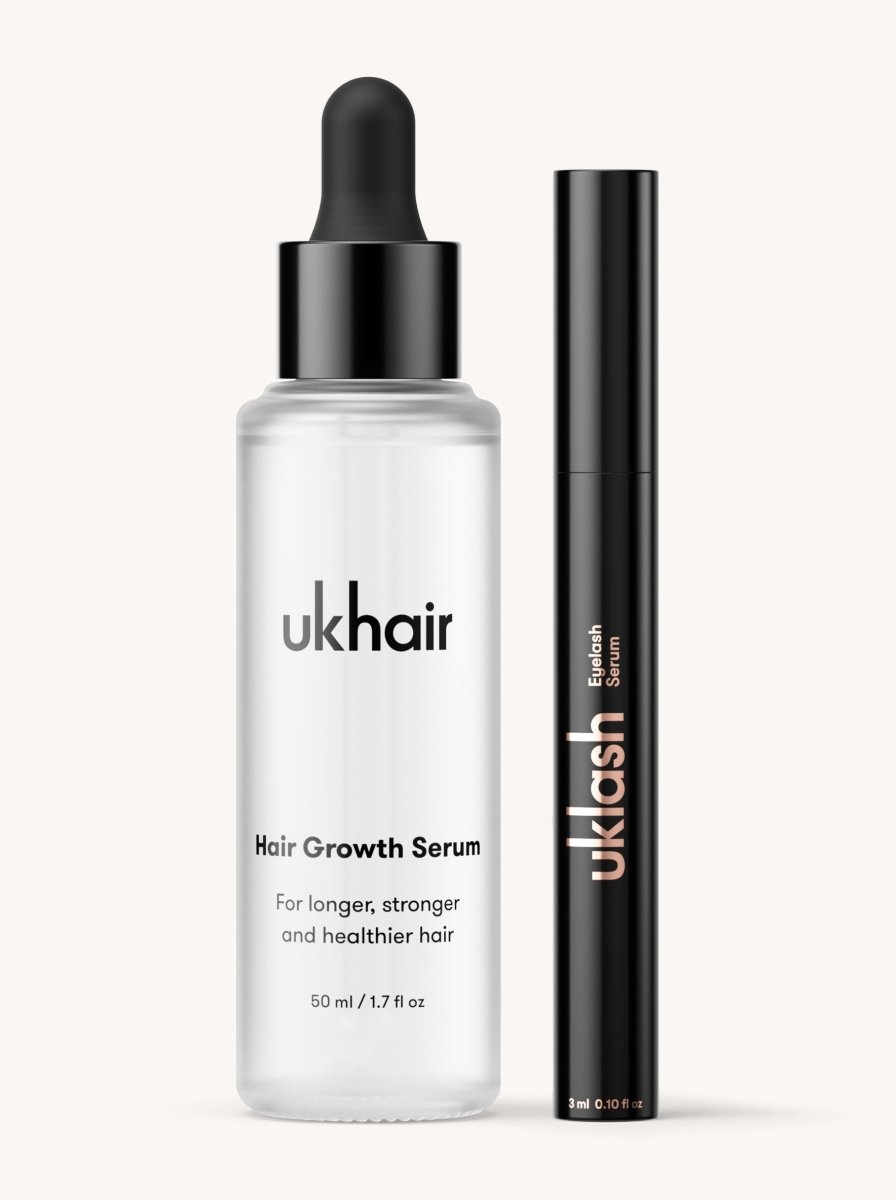
“Keeping a healthy scalp is such a huge part of unlocking hair growth, but I feel like people just don’t make the connection. Exfoliating your scalp can be a key step in your scalp care routine when done the right way. I prefer to go for chemical exfoliants like Glycolic Acid rather than those harsh abrasive scrubs to keep it relatively gentle. Scrubs aren’t always bad, but it depends on your scalp type. You don't want to overdo it because you can easily cause inflammation and irritation. And when dealing with the likes of Traction Alopecia, using a Scalp Dermaroller on your edges once a week can be quite helpful to regenerate, repair and protect your scalp against the alopecia progressing. You can even use it more than that if you'd like, but starting with once a week and following up with a powerful serum, like the UKHAIR Hair Growth Serum, would be the best way. And some tips for when using a Scalp Dermaroller - always disinfect it before and after use, and don’t press too hard. A lot of people complain that dermarolling can be painful, and it's probably because they're pressing too hard, as it shouldn't be painful at all.”

5. Swap Your Hair Oils For a Hair Serum
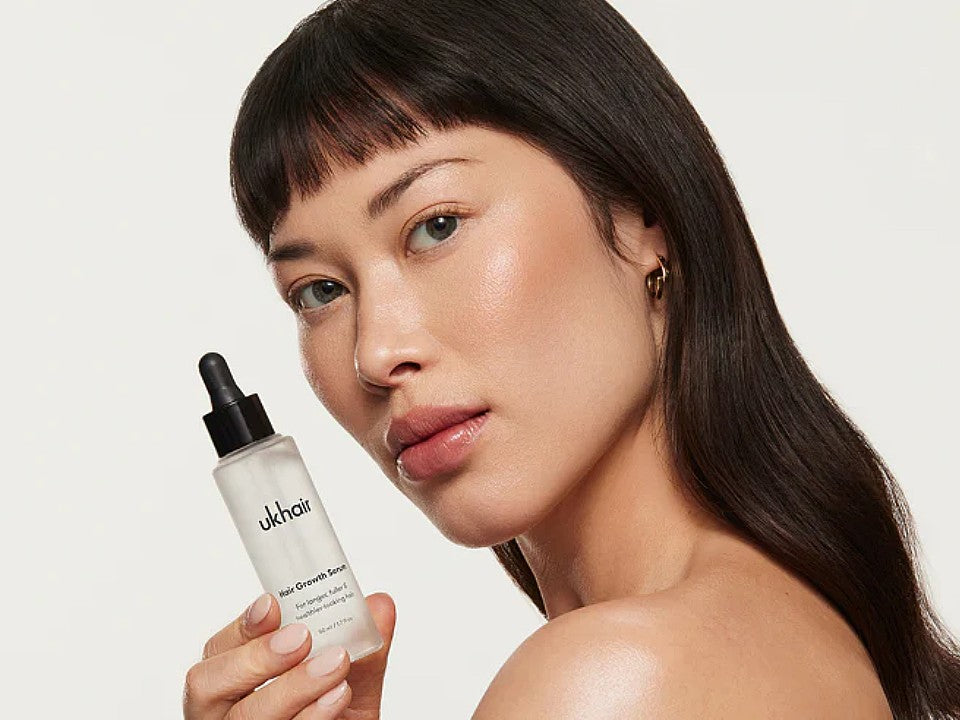
“Hair oils are something I see people overusing. They can be really useful, but it can be very easy to just go overboard with them. I think people see them as a magical solution to everything, but really, they’re good for moisturising the hair and preventing dryness, but they don’t need to be used that much. Whereas a hair serum, such as the UKHAIR Hair Growth Serum, can be great as it’s packed with science-backed ingredients that do help to boost hair growth. I mainly use it on my edges as I wear my hair up so often and I apply to the entire scalp on my wash days, depending on my hair and if it’s feeling particularly dry.”
6. Listen To Your Hair
“One sure sign that a product isn’t working is by just judging how your hair feels. Only you will know how your hair should feel or how you'd want it to feel. If it doesn't feel right, so if it feels weighed down or just not nice, then you can just sort of guess that it's not working for you.”
7. Don’t Let Your Hair Dry Out!
“Dryness and breakage are probably two of the biggest issues for curly or coily hair types because of the kind of curls that we have, the oils can't go down the strand as easily, so it means our hair's more likely to be dry and then more likely to break. Make sure to keep your hair moisturised, conditioned and use a Hair Serum where needed!”

Dr. Ehi Sarah’s advice reminds us that caring for your hair isn’t about chasing trends or overloading your routine. It’s about listening, simplifying, and giving your hair the nourishment it truly needs. Her approach is rooted in both science and self-love, making the journey feel achievable and empowering for everyone.
Here’s to stronger strands, healthier scalps, and the confidence to embrace your own journey one step, one style, and one serum at a time.

 9 min read / 1 October 2026Winter Hair Trends 2026: The Colours, Cuts and Styles We’re LovingWritten by Lauren Butler
 6 min read / 4 August 2026Hair Longevity Explained: Why Everyone's Talking About Ageing HairWritten by Lauren Butler
 7 min read / 30 July 2026Best Hairstyles to Prevent Hair Breakage (Plus Tips for Healthier Hair Growth)Written by Lauren Butler
 5 min read / 3 July 2026Summer 2026 Hair Trends You’ll Be Seeing EverywhereWritten by Lauren Butler
 6 min read / 30 June 2026Nima Knows: Does GLP1 Cause Hair Loss?Written by Lauren Butler
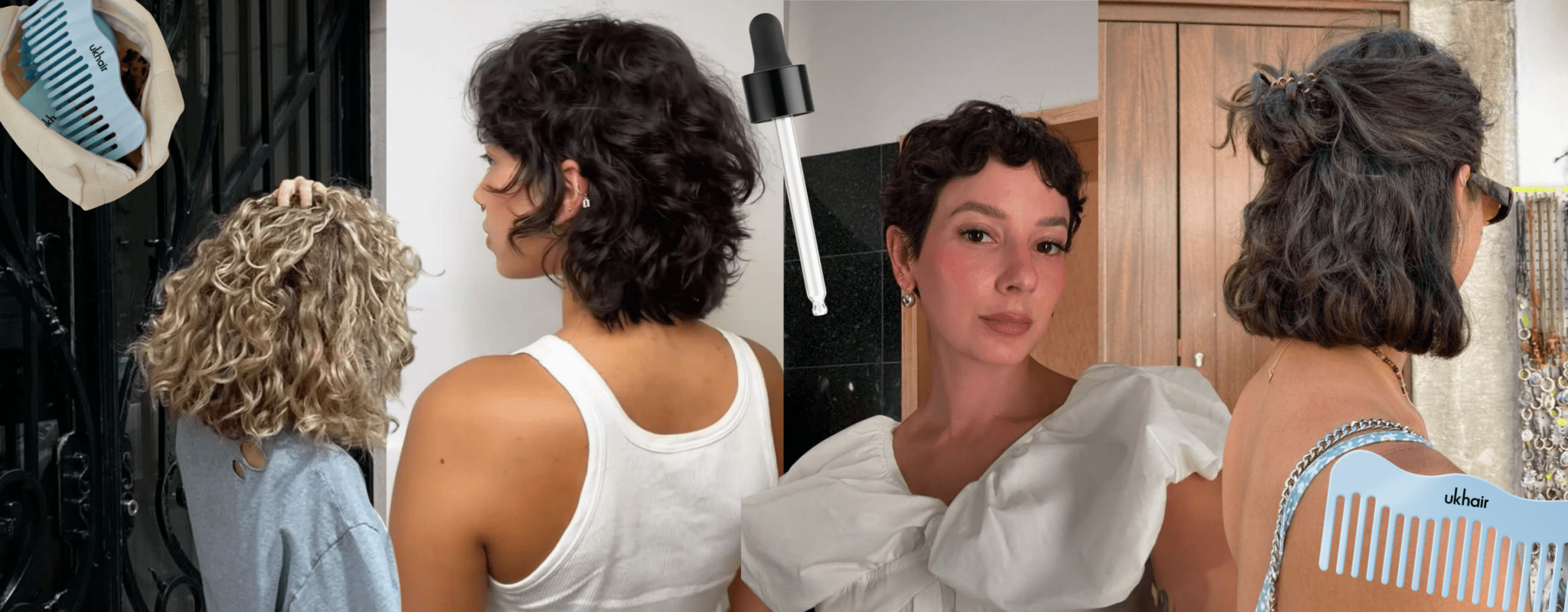 5 min read / 26 June 20264 Easy Hairstyles for Chemo Curls During Hair Growth After ChemoWritten by Lauren Butler
 7 min read / 23 June 2026Here We Grow Again: A Simple 5-Step Beauty Routine For Every DecadeWritten by Lauren Butler
 7 min read / 16 June 2026When Does Hair Grow Back After Chemo? A Complete Hair Regrowth TimelineWritten by Lauren Butler
