

“PCOS Isn’t Just Periods, It’s Hair Loss Too” Understanding The Impact of PCOS and Hair Loss
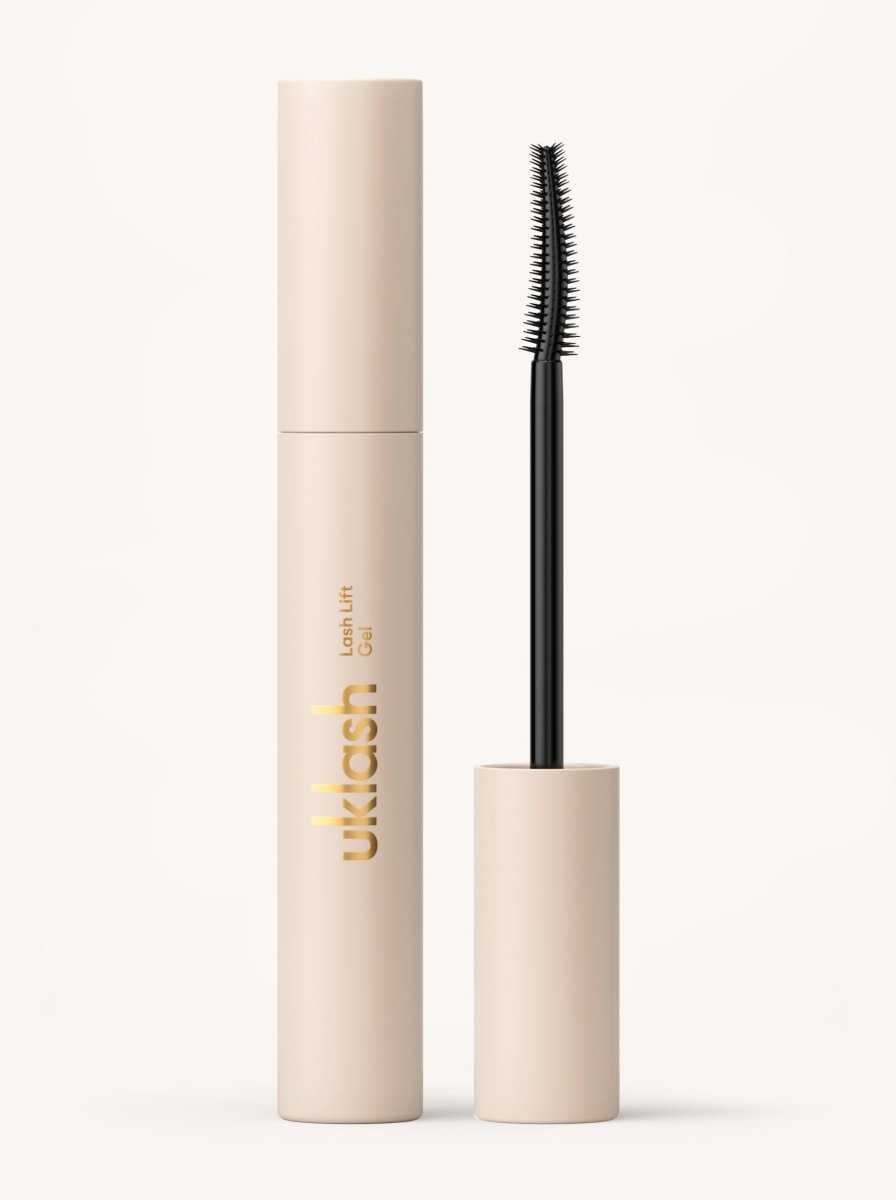
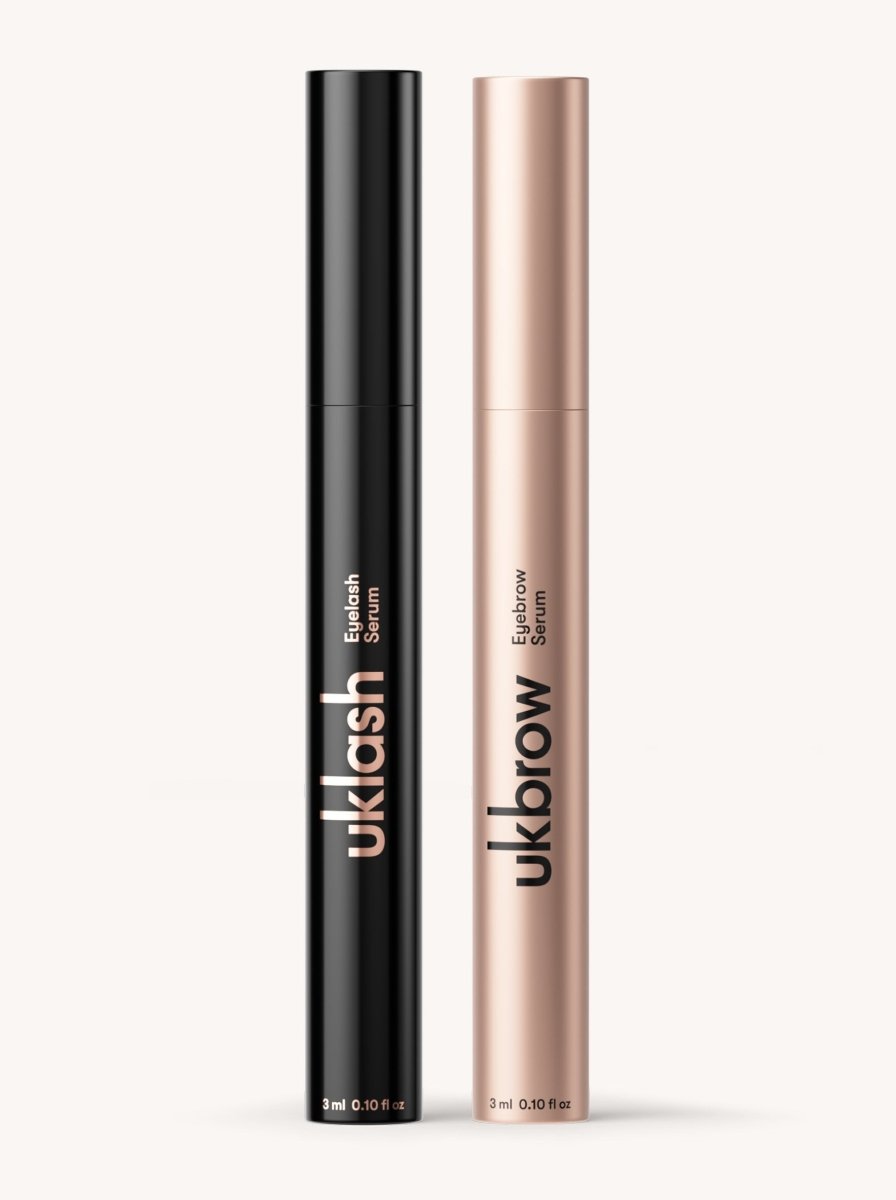
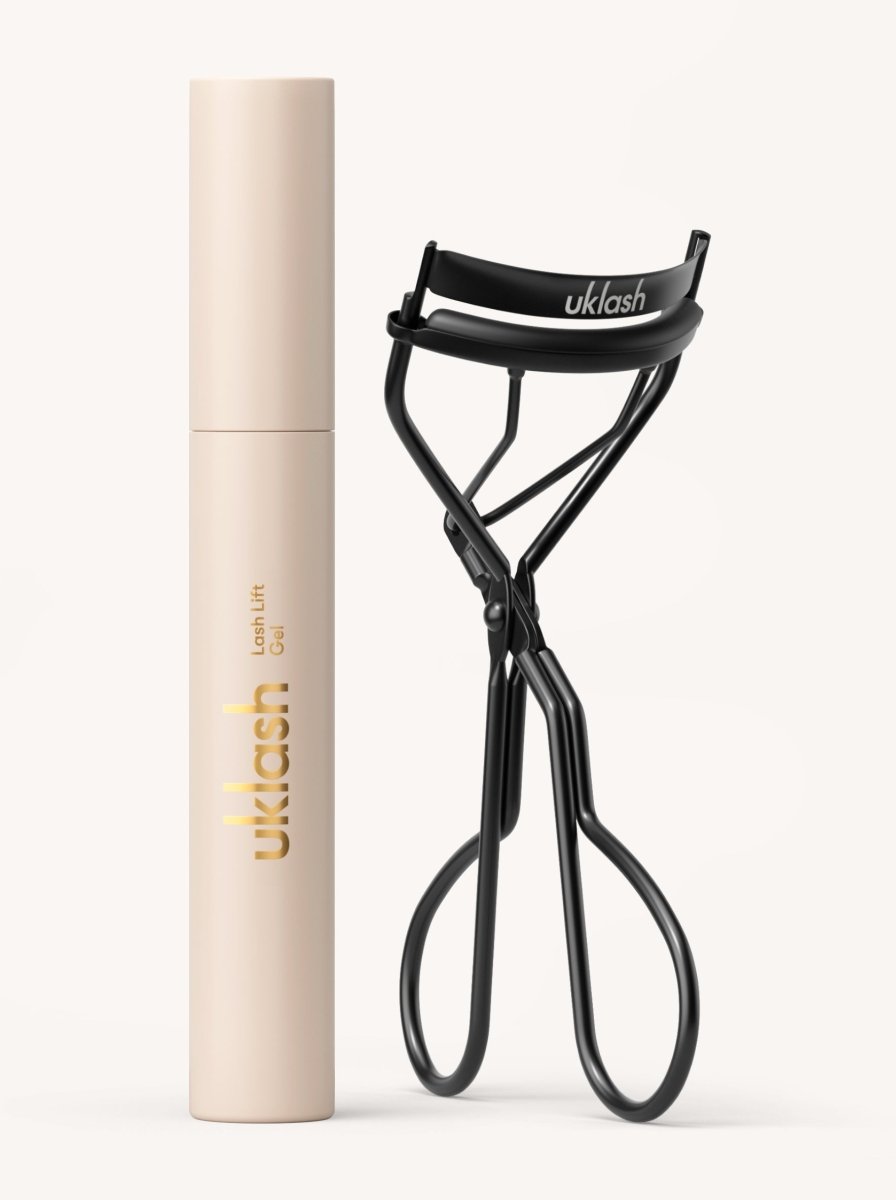
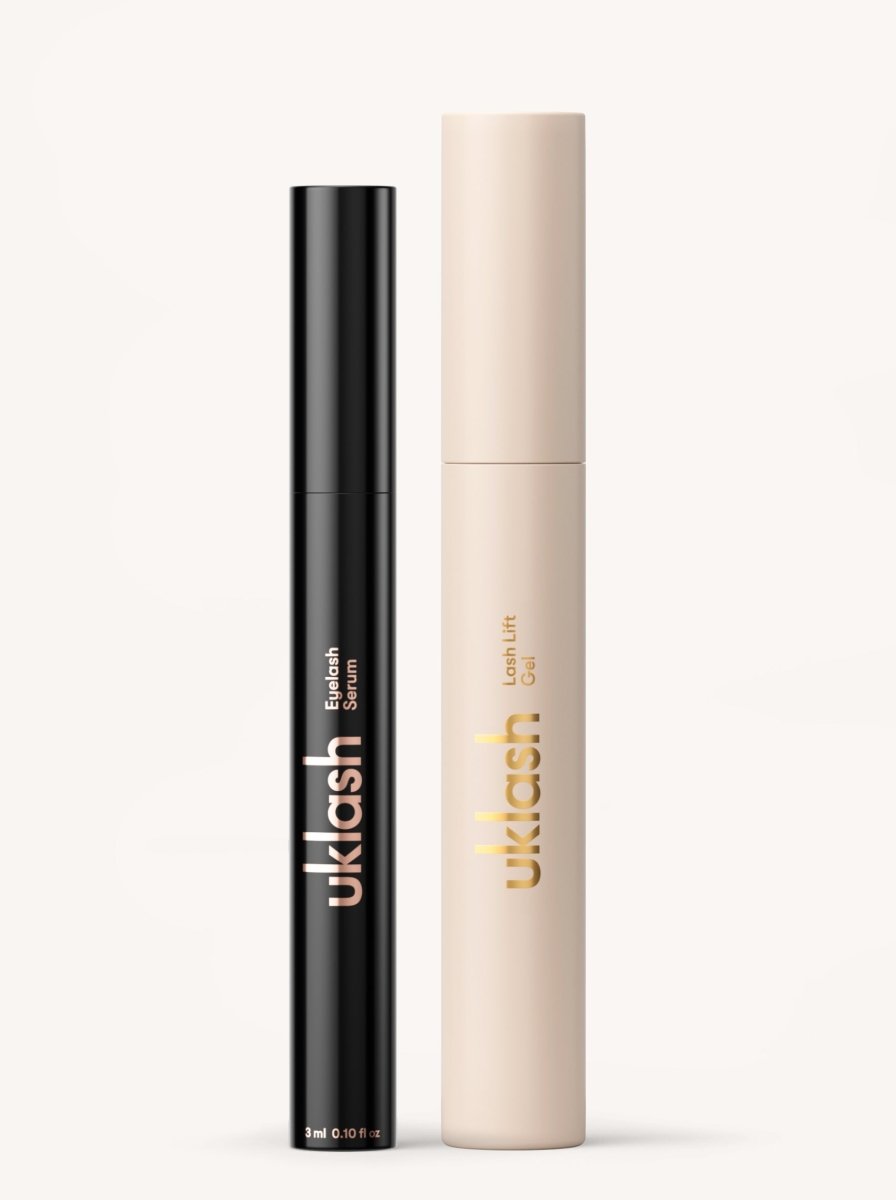 The Lift & Grow SetFor instantly lifted lashes today and longer, fuller-looking lashes over time.
$132.79$119.51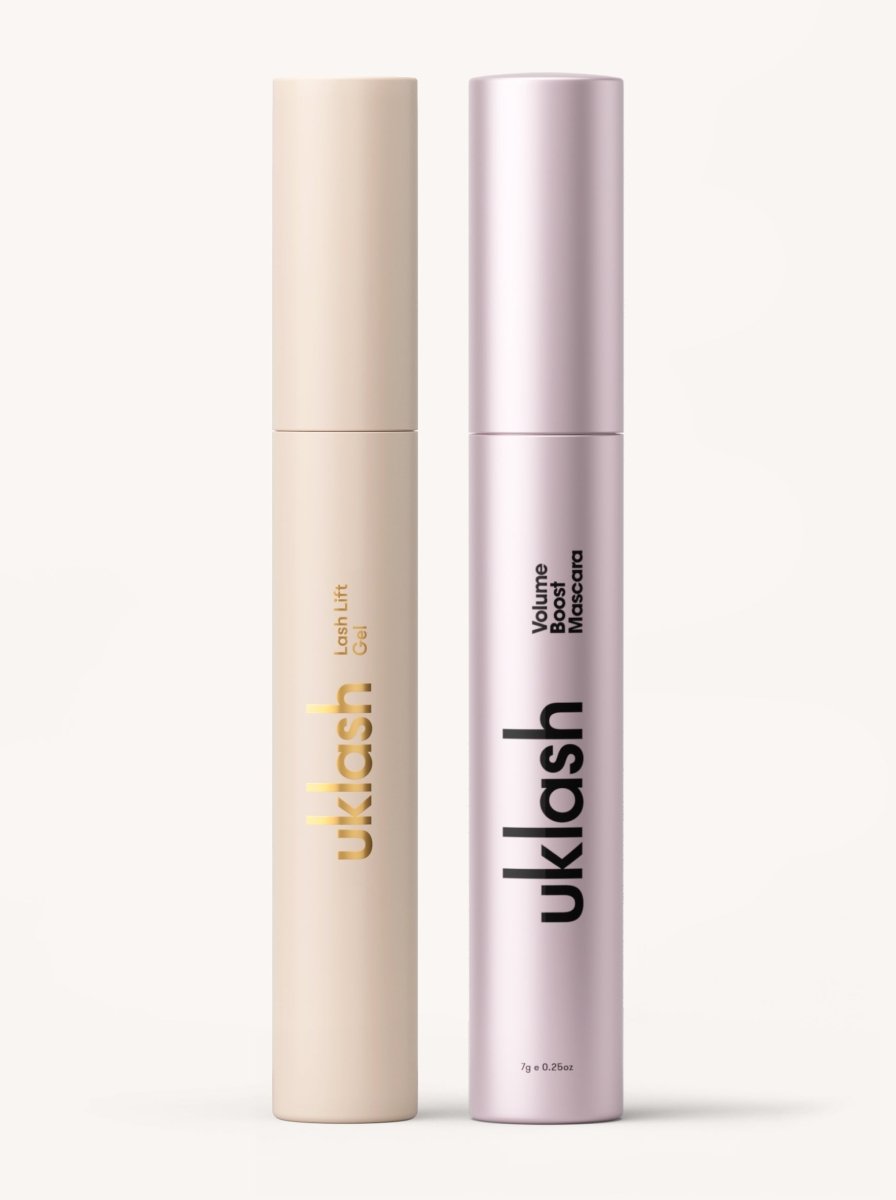
Polycystic Ovary Syndrome (PCOS) affects millions of women worldwide, but conversations around PCOS and hair loss are still catching up. While symptoms like irregular periods and hormonal changes are more widely recognised, the emotional impact of thinning hair can feel deeply personal and isolating.
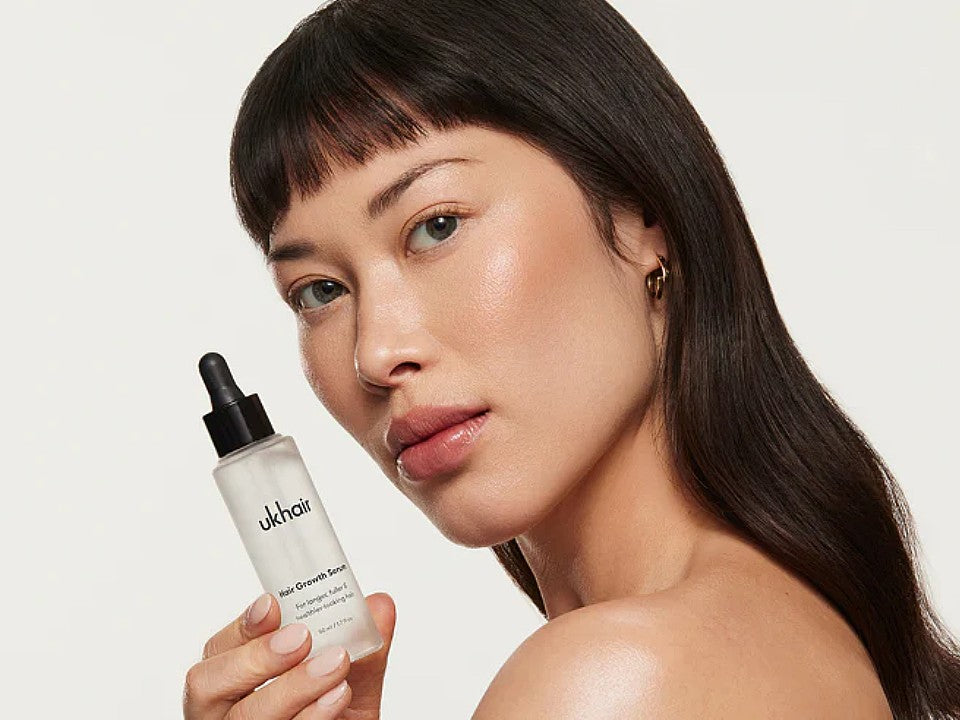
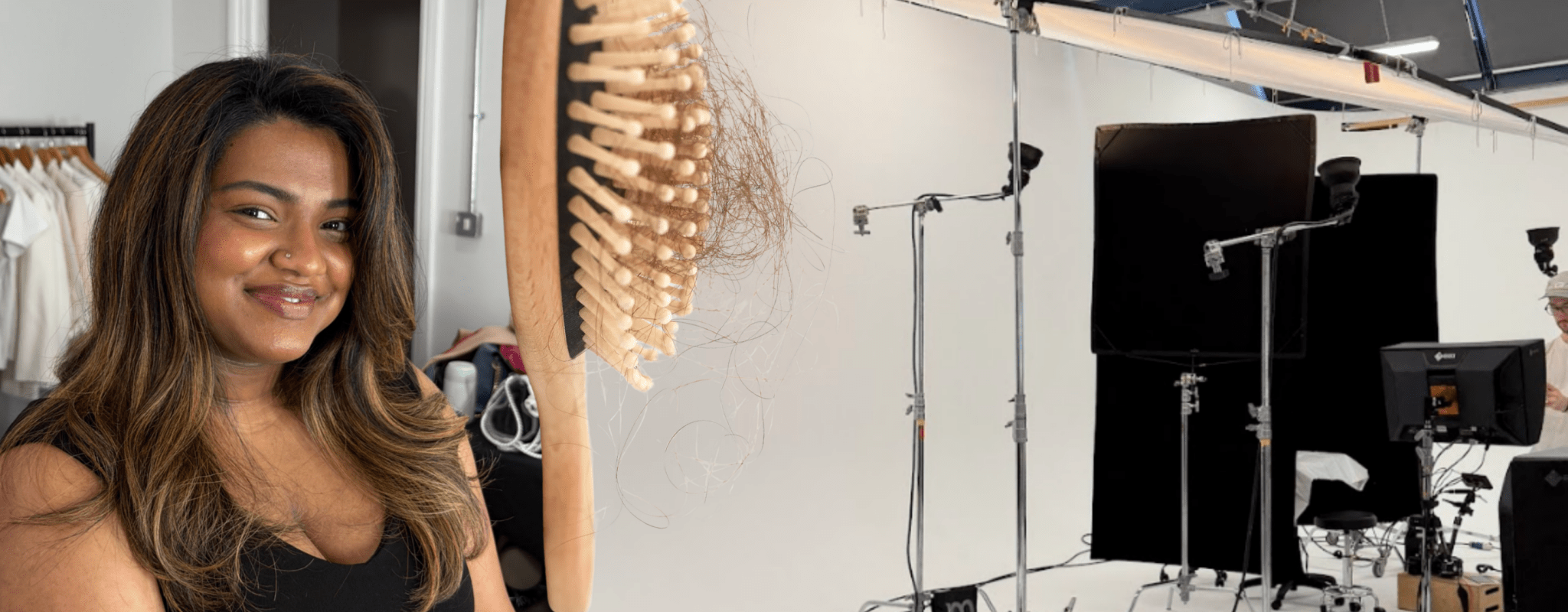
When Anendeta joined us for our UKLASH community shoot last month, we spoke honestly about her experience with PCOS hair loss and the small but meaningful steps that helped her regain confidence in her hair journey.
What Is PCOS?
PCOS, short for Polycystic Ovary Syndrome, is a hormonal condition that affects how the ovaries function. Symptoms can vary from person to person, but commonly include irregular periods, acne, excess facial or body hair, difficulty managing weight, and hair thinning or shedding.
For many women, the signs appear gradually, making it difficult to recognise what’s happening at first. Anendeta says “I thought it was stress or maybe my diet. PCOS didn’t even cross my mind.” That uncertainty is incredibly common. Many women spend years trying to understand symptoms individually before realising they’re connected. “I’d heard about PCOS before, especially in brown communities, but I never thought it applied to me”, Anendeta reports.
Why Does PCOS Cause Hair Loss?
Anendeta noted that while “hair loss was a big symptom, there were other things too. Irregular periods, facial hair growth. It all added up.” This is usually due to hormonal imbalances, particularly increased androgen levels. These hormones can affect the hair growth cycle, causing strands to thin, shed more quickly, or struggle to grow back as strongly over time.
So if you’re wondering will PCOS cause hair loss - the answer is yes, it’s possible.
Hair loss linked to PCOS often appears around the crown, parting, or temples, though every experience is different. And while it’s medically common, emotionally it can feel incredibly isolating. “I don’t think people fully understood what I was going through. There just isn’t enough awareness,” says Anendeta. The emotional stress surrounding PCOS and hair loss is something many women quietly carry alone. “I wish more people understood the mental stress behind it all.”
Anendeta’s PCOS Red Flags
🚩 Irregular Periods - Having them, then not having them for months at a time.
🚩Unwanted Hair Growth - Facial hair, chin hair, and excess body hair growth.
🚩Hair Loss - Thinning hair on the scalp, lashes, and brows.
If you’re noticing any of the above symptoms yourself, it’s always worth speaking to your GP. Having open conversations early can help you better understand what’s happening in your body and explore the right support for you.
How To Stop PCOS Hair Loss
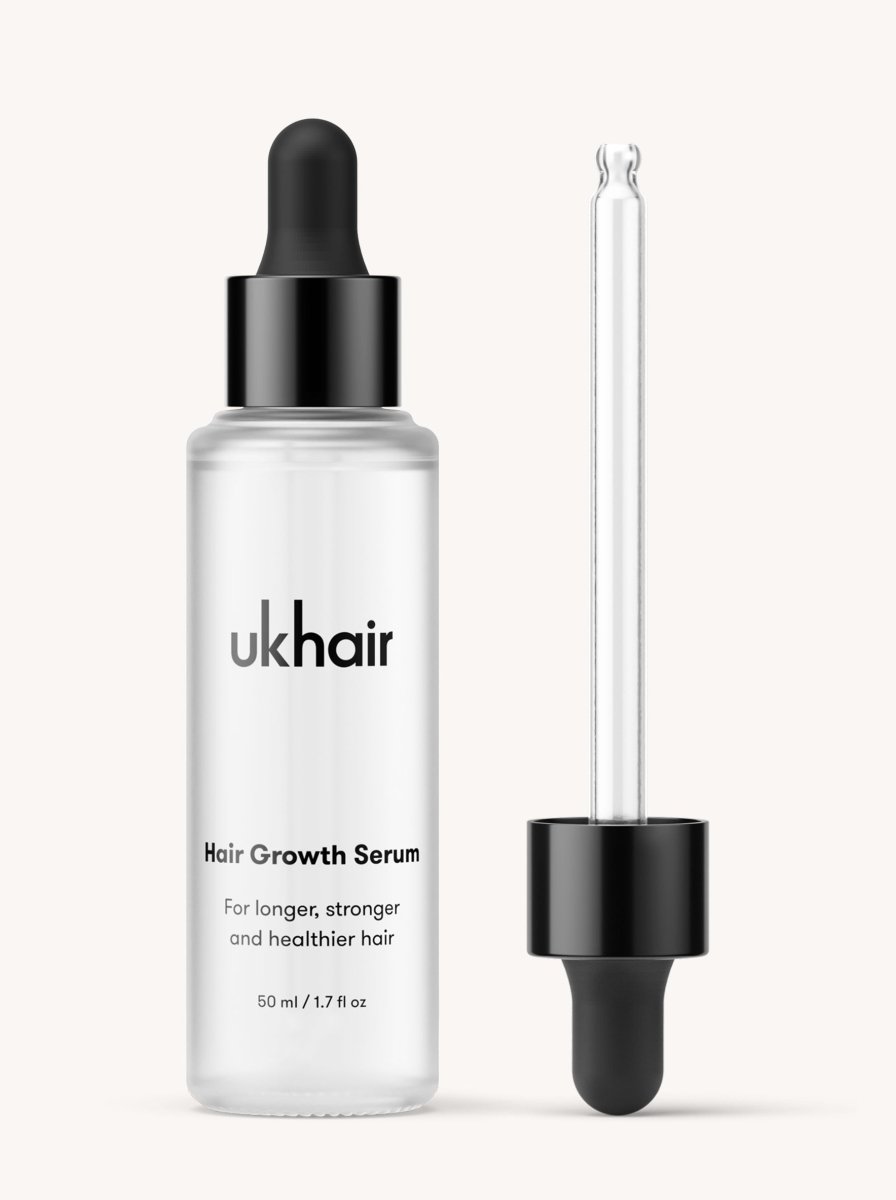
The reality is that there’s no instant PCOS hair loss cure. Hormonal hair changes take time, consistency, and often a combination of lifestyle, medical, and haircare support, such as a proactive haircare routine that features a strong hair growth serum. What works for one person may look different for another. But for Anendeta, becoming more intentional with her routine made a noticeable difference. “I became a lot more mindful about the products I was using because I didn’t want to make the hair loss worse.”

Anendeta leaned into doing her due diligence on what products she used in her haircare routine, “I don’t want to experiment with everything as I don’t want to aggravate the hair loss any further. For me, the UKLASH Hair Vitamins, Shampoo and Conditioner were amazing for tackling hair damage and repairing my hair.”
How I Reversed My PCOS Hair Loss Naturally
- Hair Vitamins - Supporting skin, nail and hair health from within with a consistent routine.
- Proactive Shampoo & Conditioner - Using gentle, targeted haircare designed to support stronger-looking hair.
- Patience - She also mentions how being patient is key as “you won’t see results overnight”, which goes back to our belief here at UKLASH, that consistency is key and it’s important to add proactive haircare products into your routine and trust the process.

At UKLASH, we believe open conversations around hair loss matter. The more women share their experiences with PCOS and hair loss, the less alone others feel navigating it themselves.
While there’s no universal solution for PCOS hair loss, creating a consistent routine that supports scalp and hair health can help hair feel stronger and more resilient over time. Seeking medical guidance, managing stress levels, prioritising nutrition, and using gentle, targeted haircare can all play a role in supporting long-term hair wellness, boosting confidence and helping you to Never Stop Growing.

 8 min read / 22 September 2026How Long Does a Lash Lift Last? Master Lash Lift Aftercare At HomeWritten by Lauren Butler
 6 min read / 17 September 2026Nano Brows vs Microblading: Which Treatment Is Best for You?Written by Lauren Butler
 6 min read / 9 September 2026Pumpkin Spice Latte Season Has Begun: 5 Autumn Makeup Trends We’re Obsessing OverWritten by Lauren Butler
 7 min read / 2 September 2026Unboxing the Best Beauty Advent Calendars Actually Worth Your MoneyWritten by Lauren Butler
 6 min read / 25 August 2026Meet The Lash Lift Kit Made For Your 5 Minute Morning RoutineWritten by Lauren Butler
 6 min read / 24 August 2026What Are Ghost Lashes? Meet the Barely-There Lash TrendWritten by Lauren Butler
 7 min read / 21 August 20266 Natural Menopause Treatments That Really WorkWritten by Lauren Butler
 6 min read / 19 August 2026Do You Need An Eyelash Primer? Here’s When It Makes a DifferenceWritten by Lauren Butler

