

All You Need To Know About Perimenopause Hair Loss: Symptoms, Prevention, Treatment
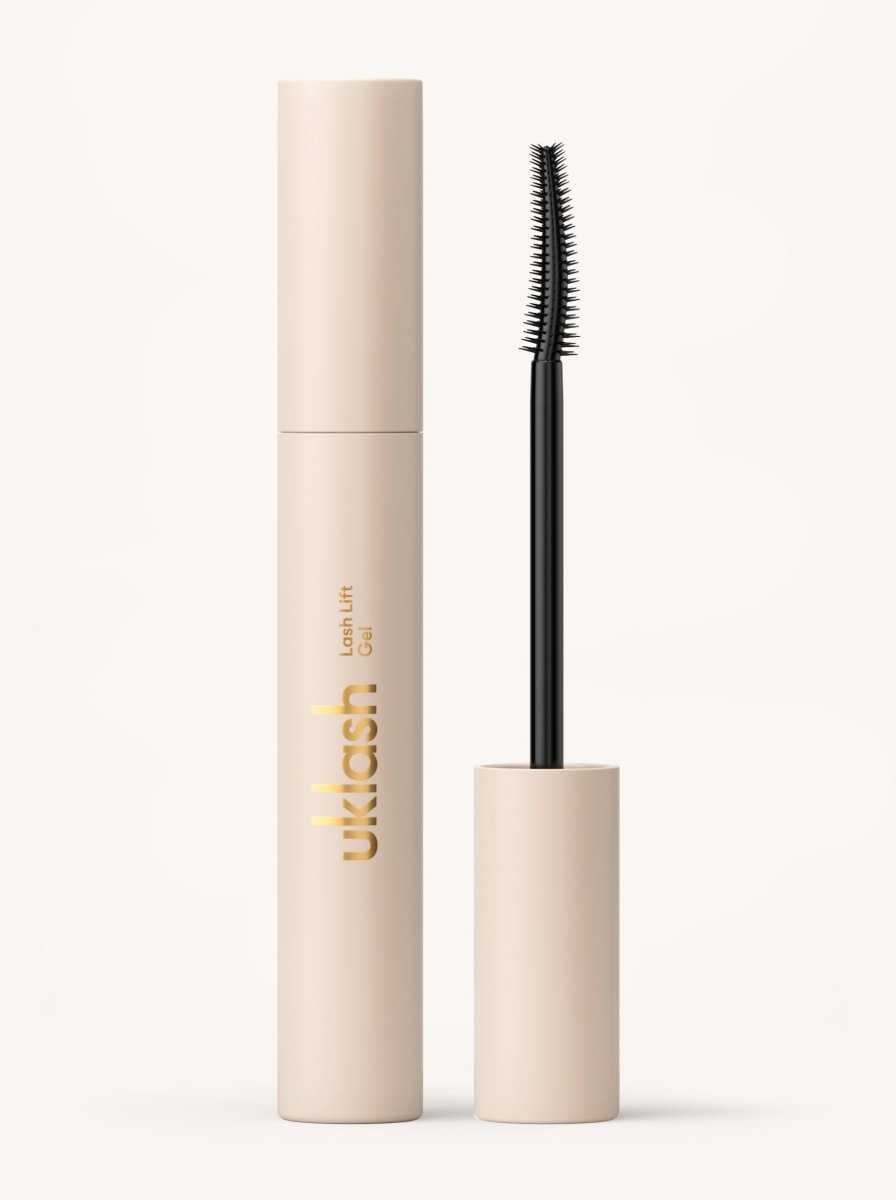
 The Lift & Grow SetFor instantly lifted lashes today and longer, fuller-looking lashes over time.
$132.79$119.51
Perimenopause can feel like a season of change no one prepares you for. From disrupted sleep to shifting moods, your body begins adjusting long before menopause officially arrives. And for many women, one of the most unexpected changes is perimenopause hair loss.
Jump To:
- Does Perimenopause Cause Hair Loss?
- What Are The First Signs of Hair Thinning
- Understanding Perimenopause Symptoms
- Why Perimenopause Hair Changes Happen
Is Perimenopause Hair Loss Permanent?
If you have found yourself wondering, does perimenopause cause hair loss? or how can I prevent hair loss? You are not alone. Let us walk through what is happening, why it happens, and what you can do about it.
Does Perimenopause Cause Hair Loss?
In short, yes. Hair loss perimenopause is common, and it is closely linked to hormonal fluctuations.
During perimenopause, oestrogen and progesterone levels begin to decline. These hormones help keep hair in its growing phase for longer. As they drop, hair can:
- Shed more easily
- Grow more slowly
- Appear finer in texture
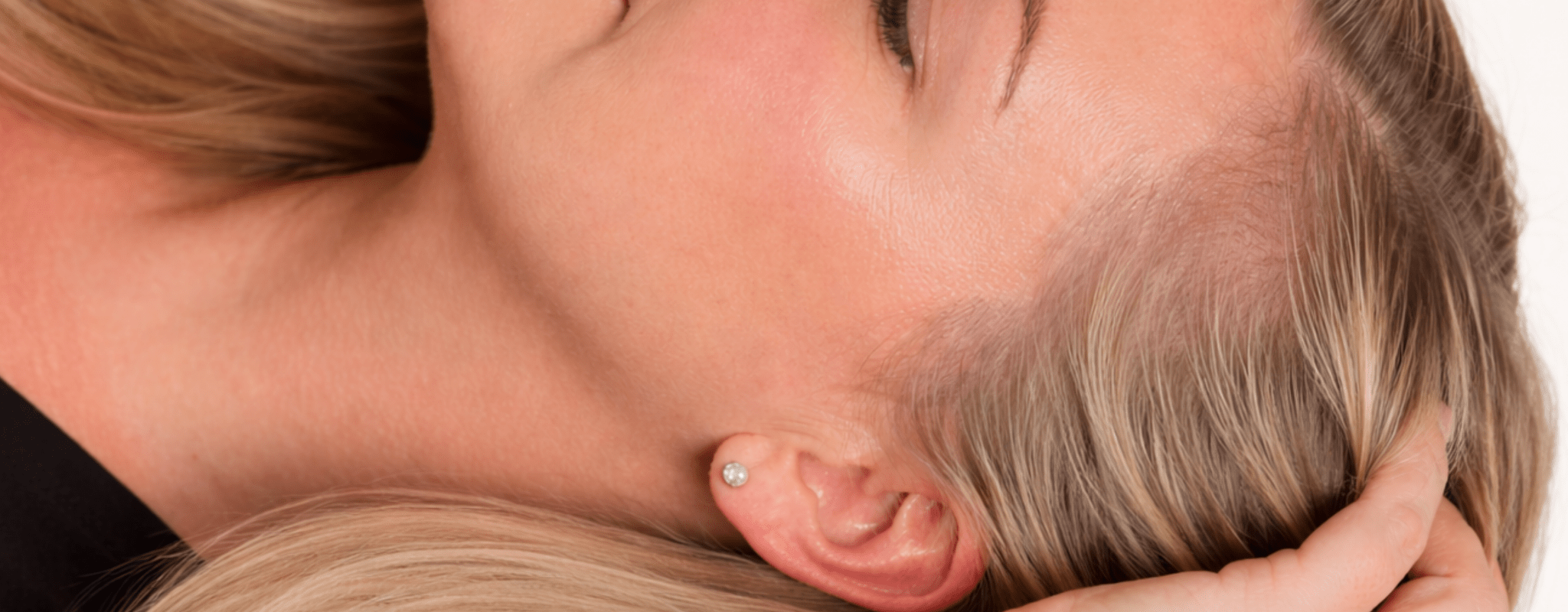
- Lose density around the temples and crown
At the same time, androgens, often referred to as male hormones, can have a stronger effect. This can shrink hair follicles over time, leading to gradual thinning.
This is why hair loss and menopause are so frequently connected in medical guidance, including resources such as hair loss NHS and alopecia NHS pages, which explain that hormonal shifts are a recognised cause of diffuse thinning in women.
What Are the First Signs of Hair Thinning?
Spotting the first signs of hair thinning early can make a real difference. You might notice:
- A widening parting
- More scalp visibility in certain lighting
- Finer ponytail circumference
- Increased shedding when washing or brushing
- Slower regrowth around the hairline

Perimenopause hair is not always about dramatic clumps falling out. Often, it is subtle, gradual and easy to dismiss at first.
Understanding Perimenopause Symptoms
Hair changes rarely happen in isolation. They often sit alongside other perimenopause symptoms UK women commonly report. So if you’ve been searching for a perimenopause symptom checker, or what are the 34 symptoms of perimenopause? here are some of the most common symptoms:

- Irregular periods
- Hot flushes
- Night sweats
- Mood changes
- Brain fog
- Sleep disruption
- Joint aches
- Vaginal dryness
- Reduced libido
- Anxiety
- Fatigue
For some women, symptoms are mild. For others, they can feel overwhelming, especially when experiencing bad perimenopause symptoms that impact daily life. Hair thinning is just one piece of this hormonal puzzle.
Why Perimenopause Hair Changes Happen
Healthy hair growth depends on:
- Balanced hormones
- Good scalp circulation
- Adequate nutrition
- Low inflammation
- Manageable stress levels
The process of Perimenopause can disrupt all five of these. Lower oestrogen shortens the growth phase of the hair cycle. Increased stress, which is common during midlife, can push more hairs into the shedding phase. Sleep disruption can affect repair processes. Nutritional gaps may widen as absorption changes. This is why perimenopause hair often feels different in both density and texture.
How Can I Prevent Hair Loss During Perimenopause?
If you are asking, how can I prevent hair loss? the answer lies in supporting your body consistently and early.
While no solution can completely override hormonal shifts, you can create the right conditions for stronger growth.

1. Support From Within
Many women explore Hair Vitamins for perimenopause hair loss. Key nutrients often associated with healthy hair include:
- Iron
- Vitamin D
- Biotin
- Zinc
- Omega three fatty acids
Before starting supplements, it is worth speaking to a GP or healthcare professional. As mentioned by Anthea Turner at our Menopause event, Blood tests can identify specific deficiencies.

2. Protect the Scalp

Healthy hair begins at the root. Focus on:
- Gentle cleansing - Use proactive Shampoo, Conditioner and Hair Mask that prioritise hair growth
- Avoiding tight hairstyles (We’ve got a list of hairstyles to prevent breakage here)
- Limiting excessive heat styling
- Regular scalp massage to support circulation
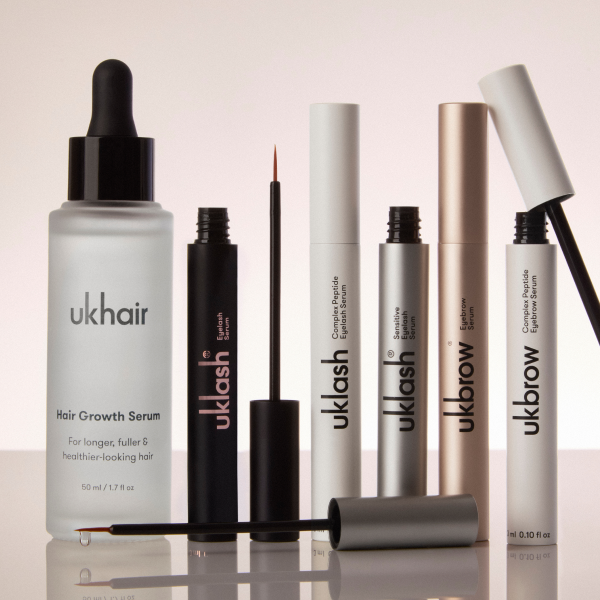
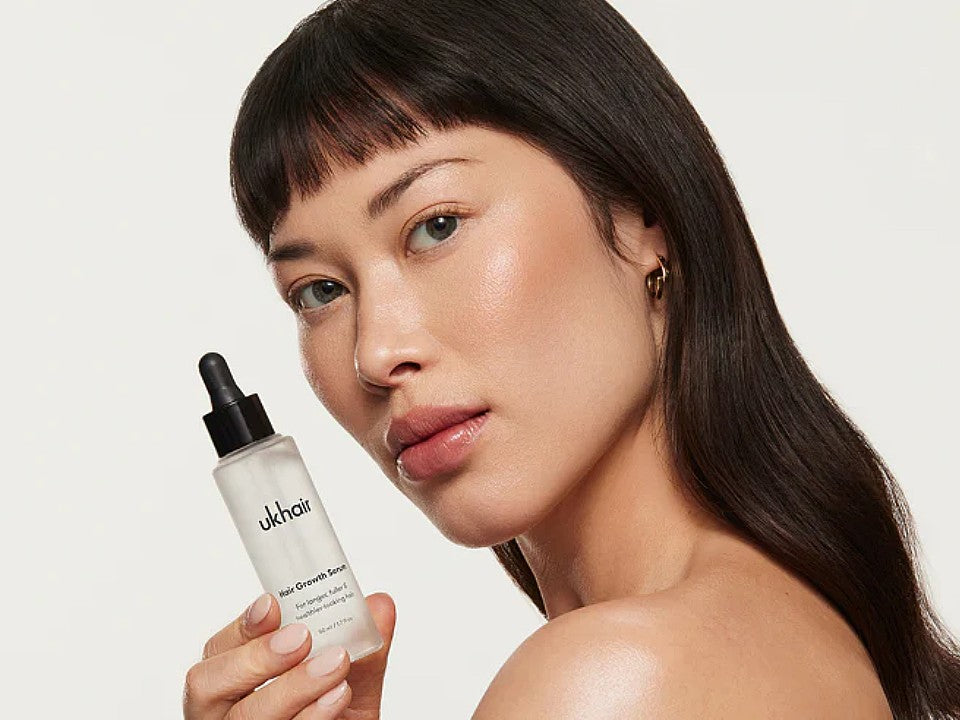
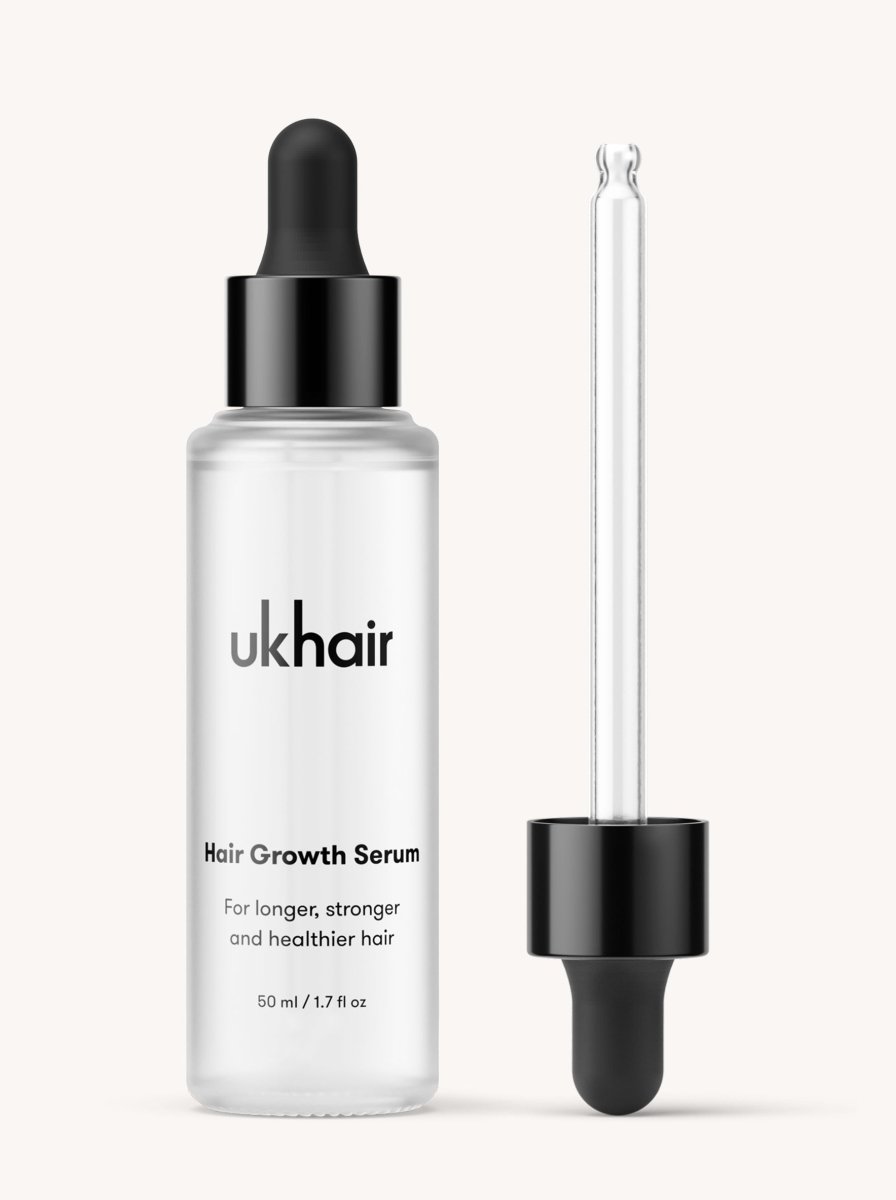
- Use a proactive Hair Growth Serum - The UKHAIR Hair Growth Serum is packed with peptides and actives to active the scalp and encourage the hair growth cycle
A healthy scalp environment gives follicles the best chance to thrive.
3. Reduce Stress Where Possible
Chronic stress can contribute to increased shedding. Simple practices such as daily walks, breathwork, or improved sleep hygiene can help regulate stress hormones.
4. Seek Medical Advice When Needed
If shedding feels sudden, excessive or patchy, consult your GP. Resources like alopecia NHS guidance outline when further investigation may be necessary. Conditions such as thyroid imbalance or iron deficiency can mimic hormonal hair loss.
Is Perimenopause Hair Loss Permanent?
Not always. For many women, hair thinning during perimenopause stabilises once hormones settle post-menopause. For others, some degree of density change may remain.
The key is early intervention and realistic expectations. Hair growth is slow. Improvements often take three to six months to become visible.

Hair is deeply tied to identity, so experiencing hair loss perimenopause can feel unsettling and, at times, emotional. It is completely understandable to feel concerned when your hair texture changes, your parting widens or shedding increases. These shifts can feel personal.
But it is important to remember that perimenopause hair loss is common, and you are not alone in experiencing it. Hormonal changes affect many areas of the body, and your hair is simply one reflection of that transition. With the right support, early awareness and consistent care, it is possible to manage thinning and get back to feeling healthier, bolder and stronger sooner.

 8 min read / 22 September 2026How Long Does a Lash Lift Last? Master Lash Lift Aftercare At HomeWritten by Lauren Butler
 6 min read / 17 September 2026Nano Brows vs Microblading: Which Treatment Is Best for You?Written by Lauren Butler
 6 min read / 9 September 2026Pumpkin Spice Latte Season Has Begun: 5 Autumn Makeup Trends We’re Obsessing OverWritten by Lauren Butler
 7 min read / 2 September 2026Unboxing the Best Beauty Advent Calendars Actually Worth Your MoneyWritten by Lauren Butler
 6 min read / 25 August 2026Meet The Lash Lift Kit Made For Your 5 Minute Morning RoutineWritten by Lauren Butler
 6 min read / 24 August 2026What Are Ghost Lashes? Meet the Barely-There Lash TrendWritten by Lauren Butler
 7 min read / 21 August 20266 Natural Menopause Treatments That Really WorkWritten by Lauren Butler
 6 min read / 19 August 2026Do You Need An Eyelash Primer? Here’s When It Makes a DifferenceWritten by Lauren Butler

