

Best Hairstyles to Prevent Hair Breakage (Plus Tips for Healthier Hair Growth)
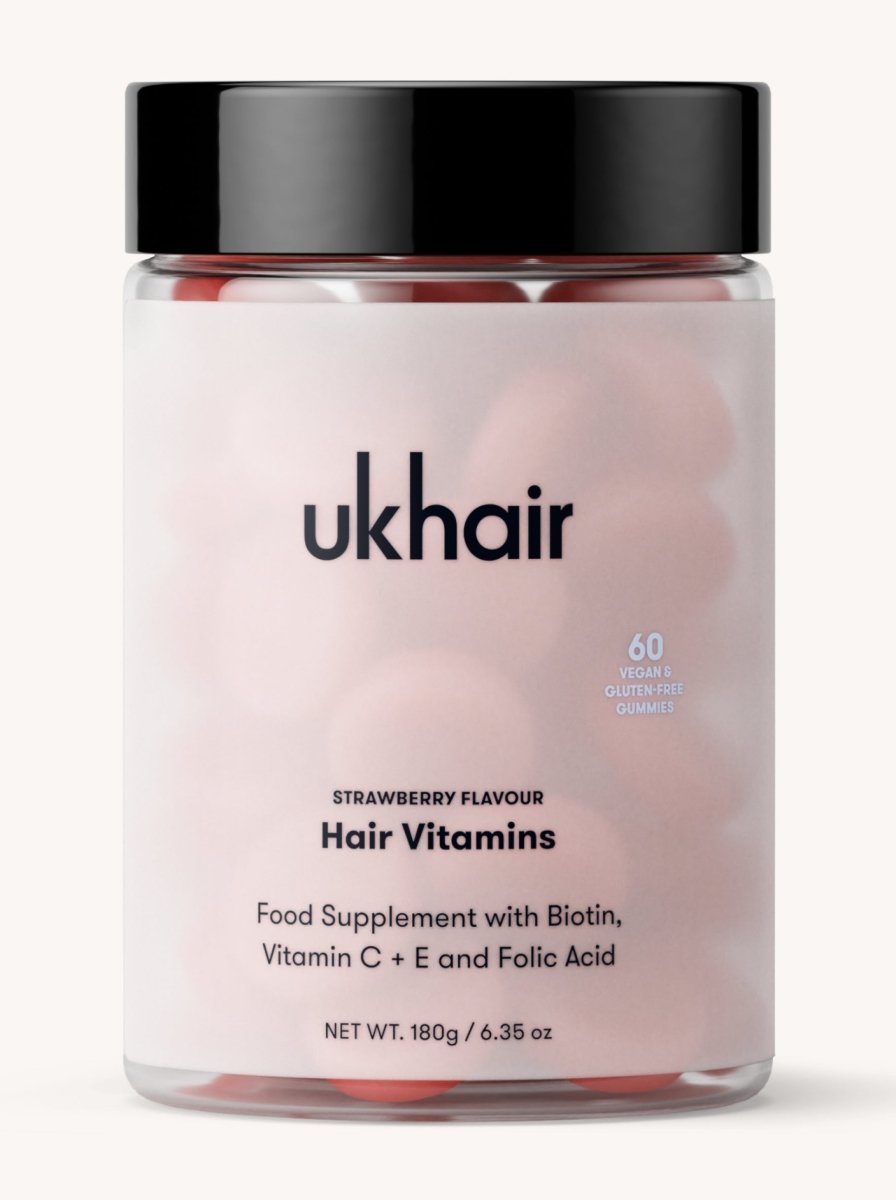
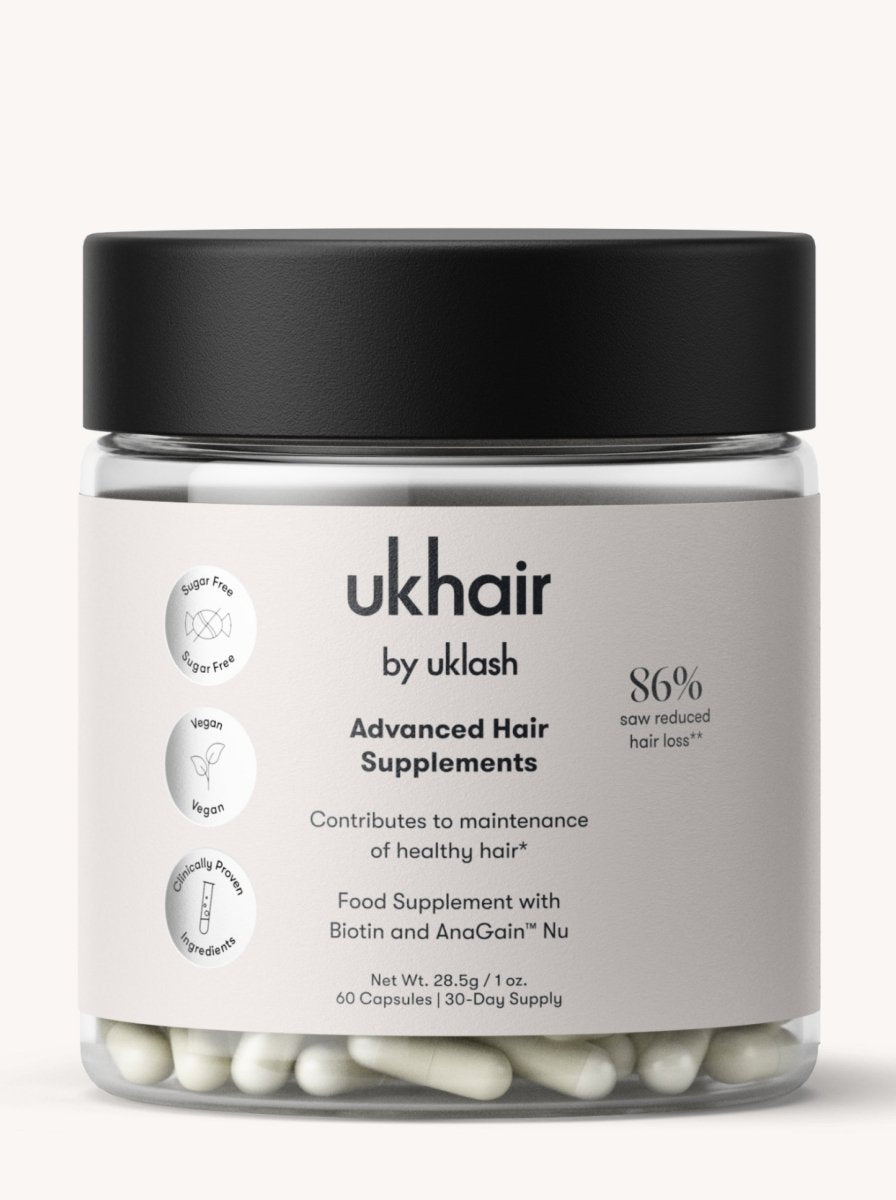 Advanced Hair SupplementsFor encouraging the appearance of stronger, longer, healthier-looking hair.
€32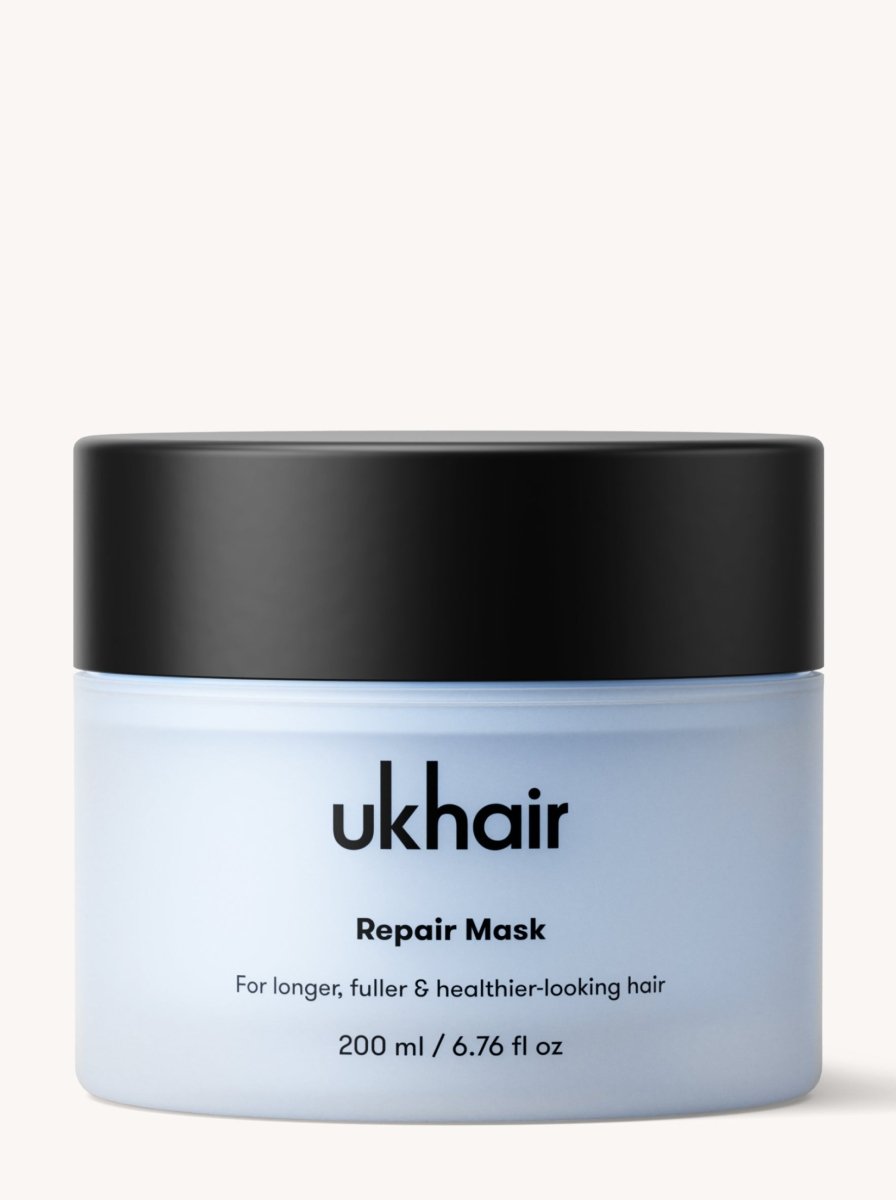
You’ve invested in nourishing haircare, switched up your routine and you’re doing everything you can to grow healthier-looking hair. Yet your strands still feel dry, fragile or seem to break before you’ve met your goals.
The culprit might not be your products at all. Everyday habits, from tight ponytails to excessive heat styling, can put repeated tension on your hair and scalp, leading to hair breakage, damaged hair and, in some cases, traction alopecia.
The good news? A few simple styling swaps can make all the difference. Below, we’re sharing some of the best hairstyles to help prevent hair breakage, along with simple ways to care for your hair so your UKHAIR routine can work even harder.
Jump To:
What Causes Hair Breakage?
Can Hairstyles Really Cause Hair Loss?
How To Help Prevent Hair Breakage
The Best Hairstyles To Help Prevent Hair Breakage
What Causes Hair Breakage?
Hair breakage happens when the hair fibre becomes weakened and snaps before it reaches its full length. Unlike hair shedding, which happens naturally as part of the hair growth cycle, breakage often occurs because the hair has become damaged over time.
Common causes include:
- Tight ponytails and buns
- Frequent heat styling
- Bleaching and colouring
- Brushing wet hair too roughly (opting for a Tangle Teezer brush is a great way to avoid this!)
- Dry or dehydrated hair
- Sleeping on rough fabrics
- Wearing the same hairstyle every day
If you’re noticing shorter hairs around your hairline, excessive snapping or split ends, these could be some of the first signs of hair thinning caused by repeated stress rather than natural shedding.
If you’re worried your hairstyle is affecting your hairline, read our guide to Traction Alopecia, where we explain the causes, symptoms and what you can do to help protect your hair.

Can Hairstyles Really Cause Hair Loss?
Some hairstyles create constant tension on the scalp. Over time, this repeated pulling can damage the hair follicle, leading to a type of hair loss called traction alopecia.
Common damaging hairstyles include:
- Tight slick back buns
- High ponytails
- Tight braids
- Extensions worn continuously
- Heavy weaves
The earlier you spot the signs, the better. Small bumps around the hairline, tenderness or thinning around your temples can all be early indicators that it’s time to loosen your style.
How To Help Prevent Hair Breakage
Preventing breakage isn’t just about giving up your favourite hairstyles. It’s about reducing unnecessary stress while keeping your hair healthy from root to tip.
A balanced routine includes:
- Limiting heat styling where possible
- Rotating hairstyles
- Choosing softer hair accessories
- Keeping your scalp healthy
- Hydrating dry lengths
Cleanse Gently
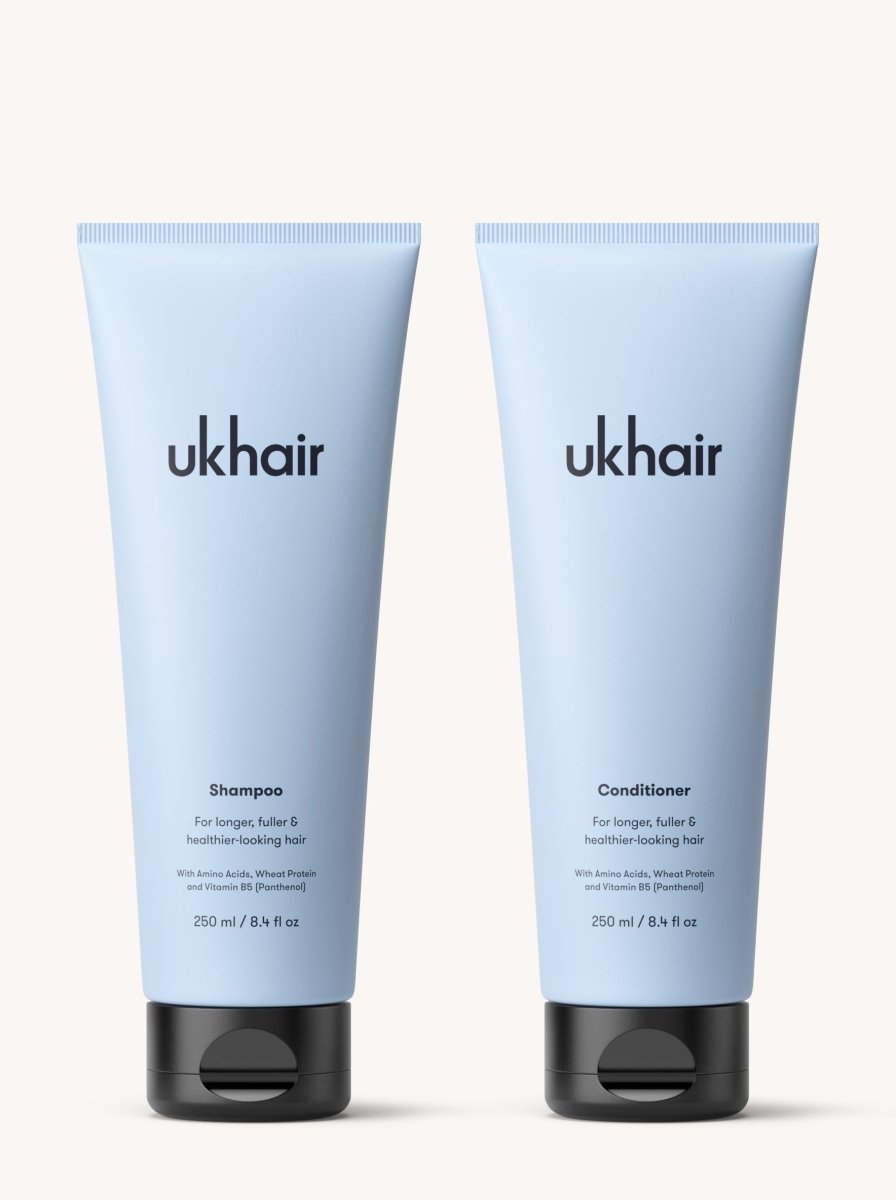
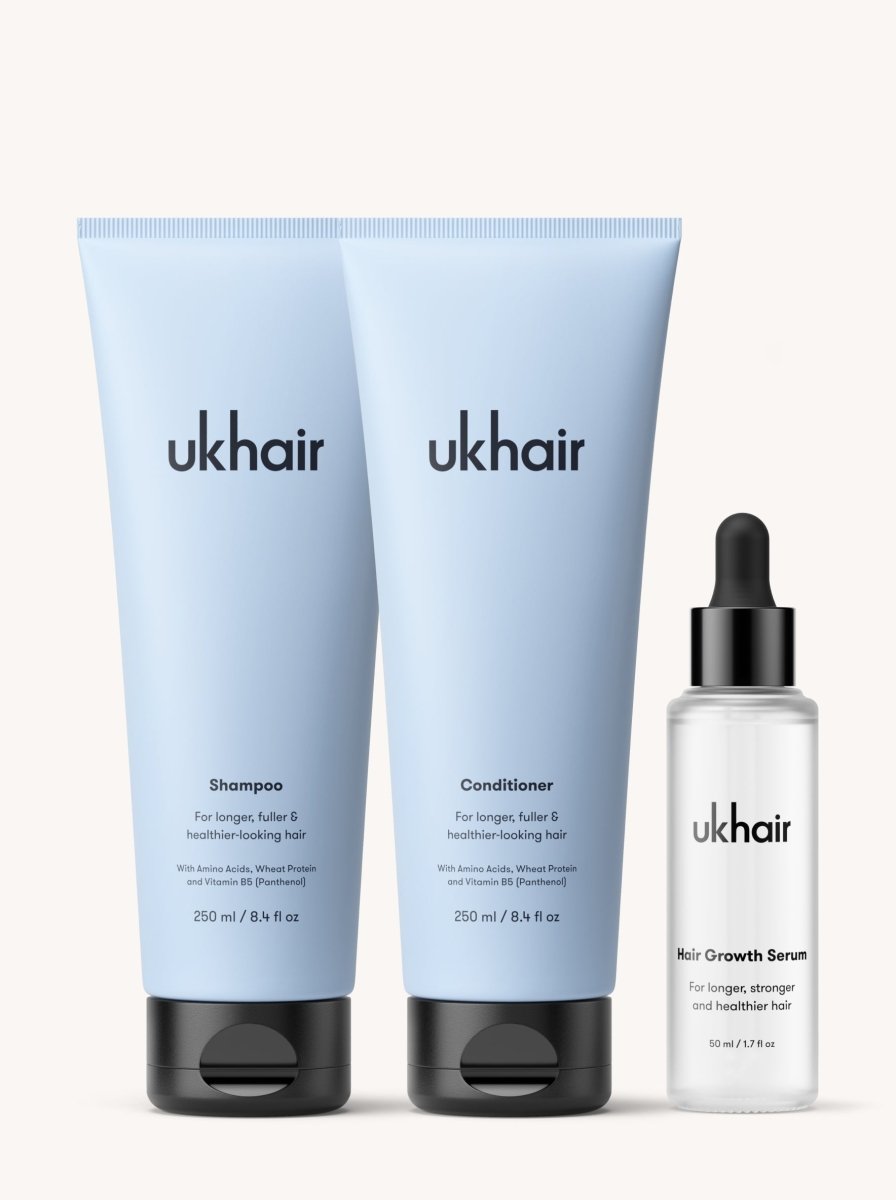
Healthy hair starts with a healthy scalp. Our UKHAIR Shampoo and Conditioner are formulated with Vitamin B5 (Panthenol), Hydrolyzed Wheat Protein, Coconut Water, Pineapple Extract and Amino Acids to help cleanse without stripping moisture while supporting stronger-looking strands.
If you’re wondering how often you should wash your hair or whether you’re washing it correctly, we’ve covered everything in our blogs linked here.
Support Healthy-Looking Growth
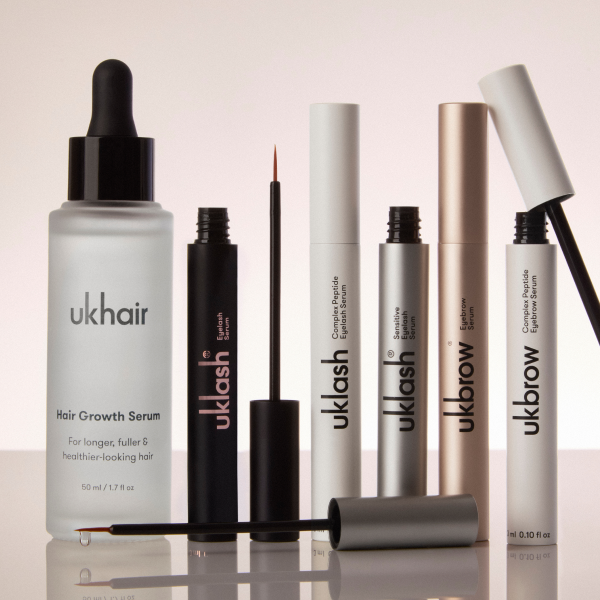
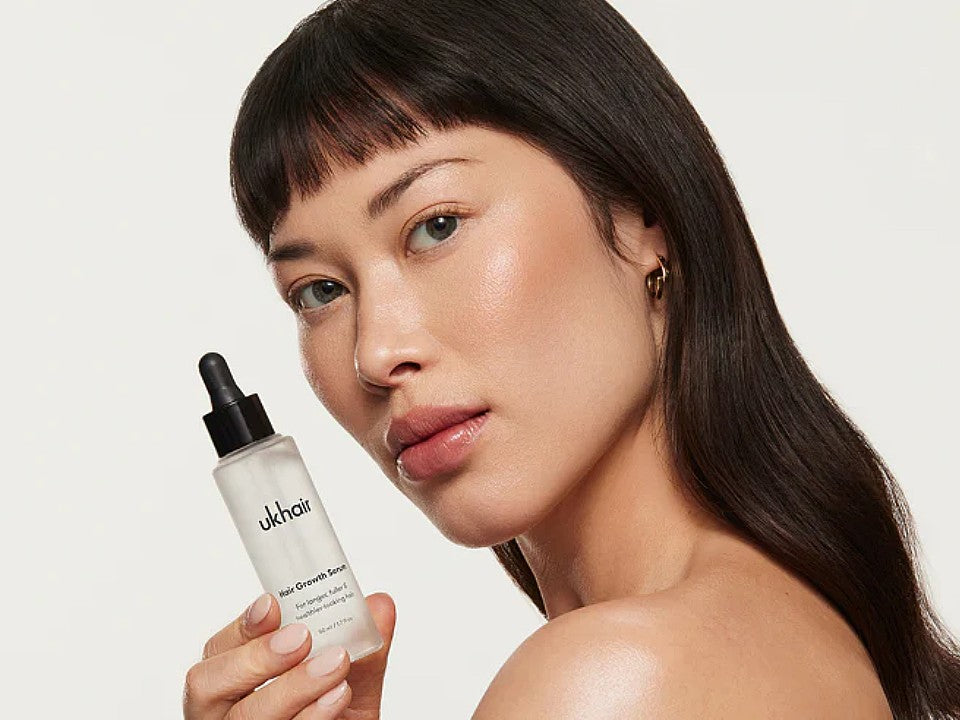
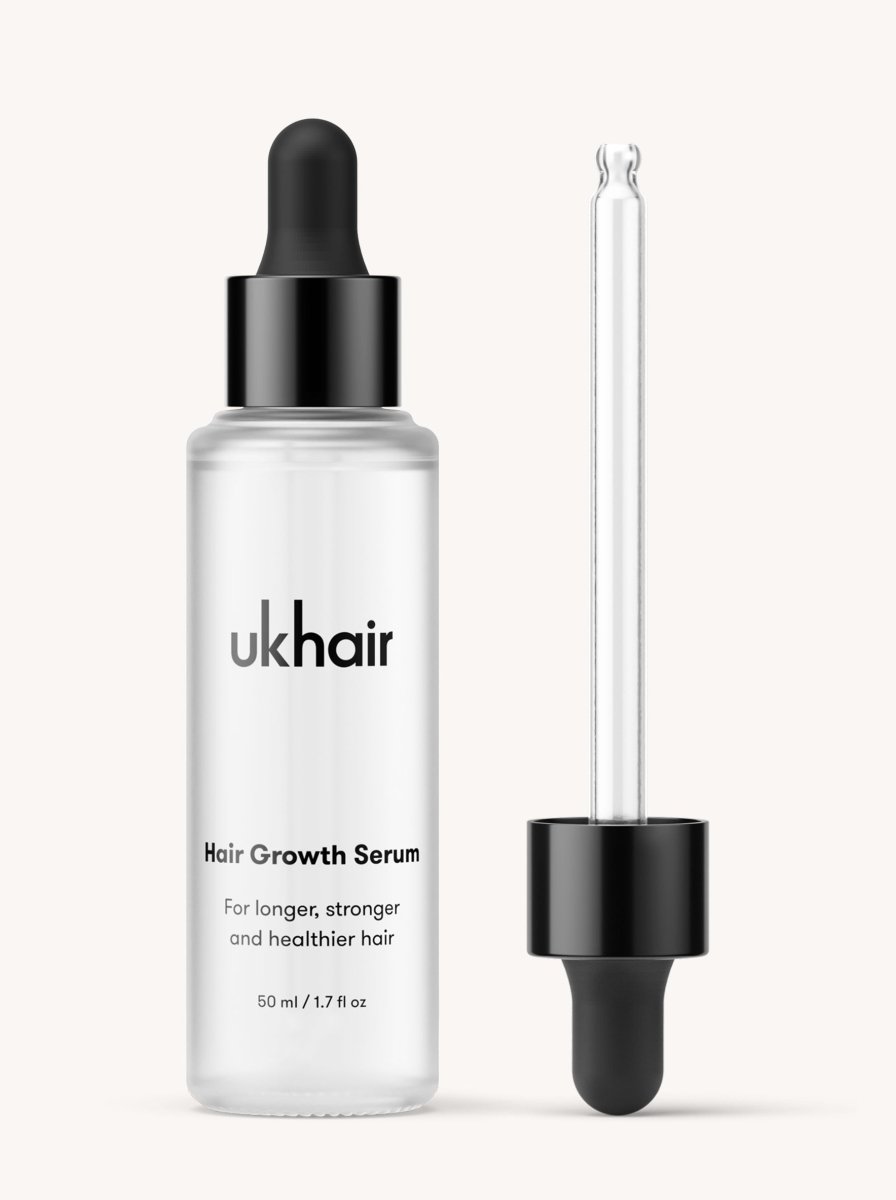
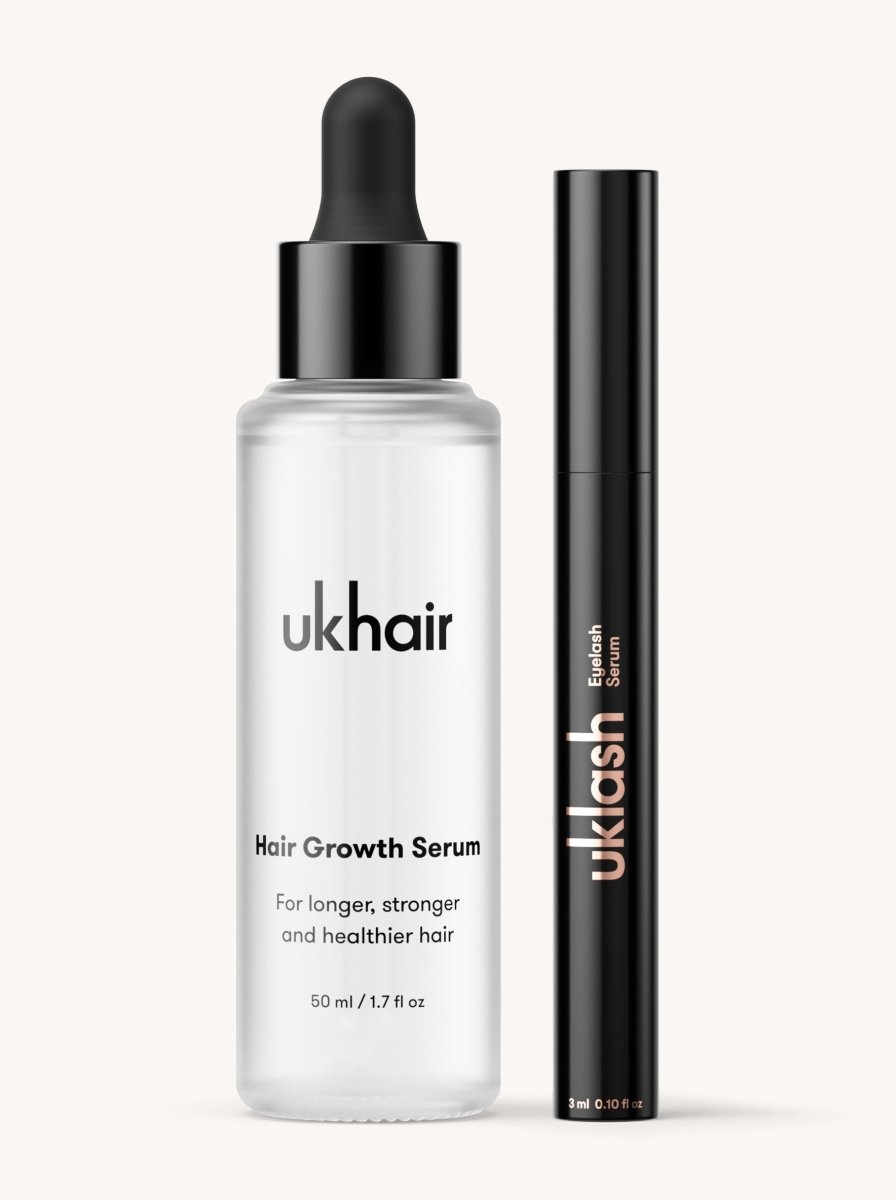
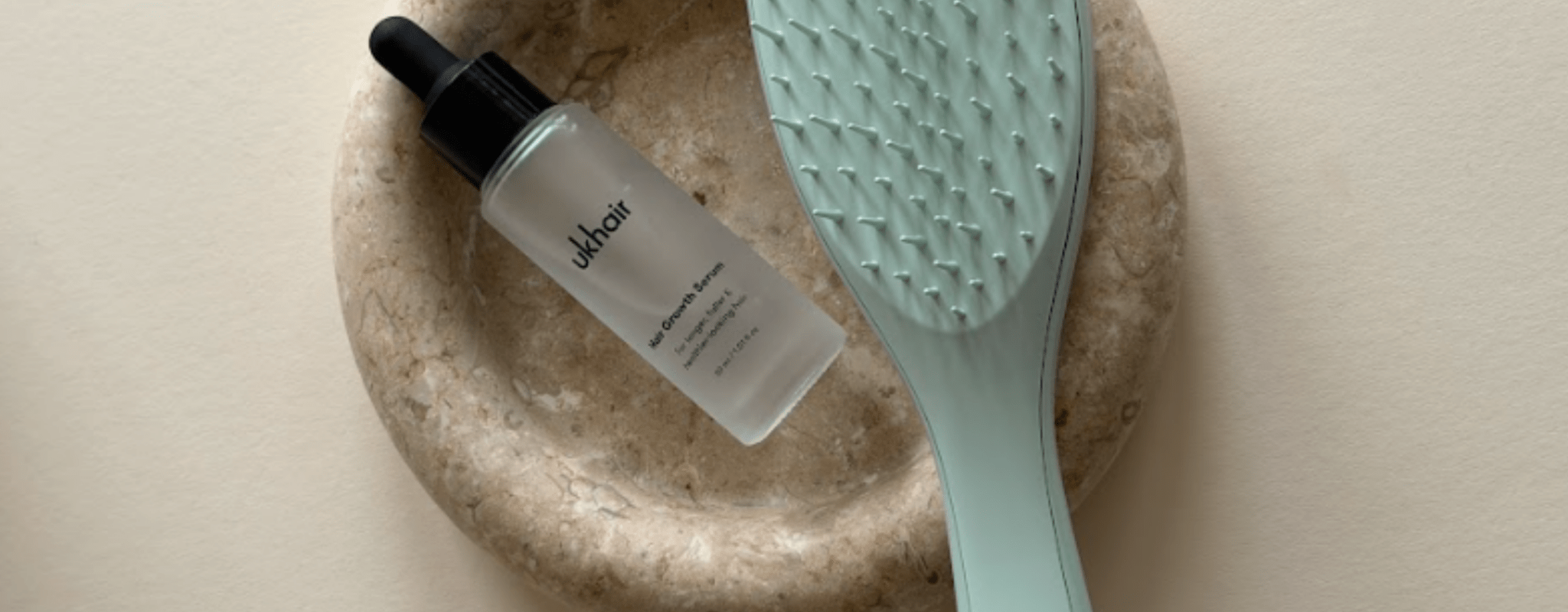
Our Hair Growth Serum slots easily into your daily routine. Simply apply 3-5 drops to a clean, damp or dry scalp and massage gently with your fingertips.
Deeply Nourish Damaged Hair
If your lengths feel dry or brittle, a weekly damaged hair treatment can help restore softness and shine, such as a hair mask damaged hair.
Our Hair Mask for damaged hair is packed with nourishing oils and botanical extracts to help condition dry lengths, leaving hair feeling smoother, softer and more resilient against everyday styling.
If your hair has been coloured recently, you’ll also want to take extra care to minimise breakage. Our guide to colouring your hair without damaging it shares practical tips to help protect your strands between appointments.
The Best Hairstyles To Help Prevent Hair Breakage
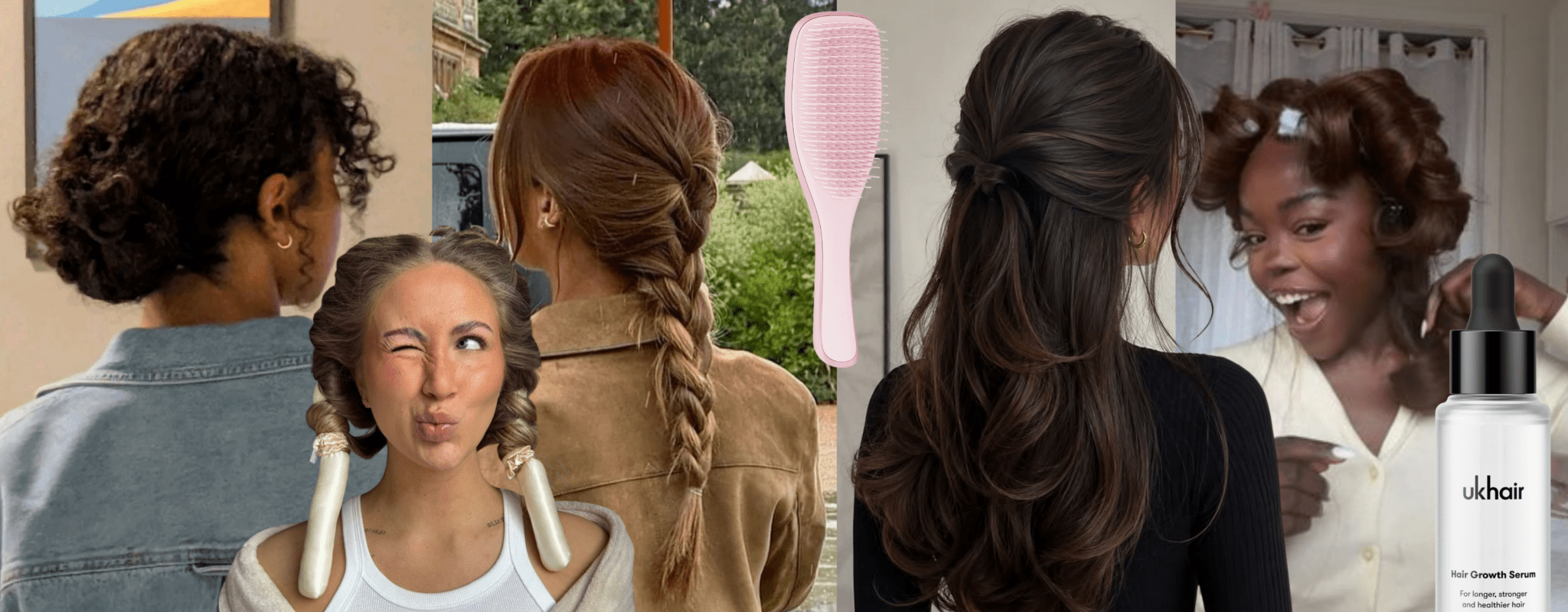
1. Heatless Curls

Love curls but want to avoid unnecessary heat?
Heat styling at high temperatures can weaken the hair cuticle over time, making strands more prone to breakage.
Heatless curl kits create soft, long-lasting waves without exposing your hair to high temperatures, making them one of our favourite heat damage hairstyles alternatives.

Can You Do Heatless Curls With Wet Hair?
Yes, but your hair should be around 80 to 90% dry rather than soaking wet. Damp hair holds the curl more effectively while drying overnight, helping you wake up with defined curls without exposing your hair to unnecessary heat.
2. Bubble Ponytail
The Bubble Ponytail proves you don’t need a super-tight ponytail to create impact.
Swap traditional elastics for silk or satin scrunchies and keep the ponytail slightly looser to reduce tension across the scalp.
3. Claw Clip Style
A claw clip is a versatile tool that allows you to style your hair in a variety of ways. Its clever design uses interlocking teeth to sustain grip without causing too much tension on the individual hair follicle or root, making it a great option for those looking to avoid hair damage and support healthy hair growth.
4. Half Up, Half Down Hairstyle
One of our favourite half up half down hairstyles, this look keeps hair away from your face while leaving the majority of your lengths loose.

Secure the top section low on the back of your head using a satin scrunchie to minimise pulling around the crown.
It’s also a great option if you’re looking for what hairstyle suits me when you want something versatile that works across different hair types and occasions.
5. Loose Braid

A loose braid is one of the simplest ways to protect your hair throughout the day or overnight.
Unlike tighter braided styles, it keeps your strands contained while reducing friction and helping to prevent tangles.
It’s particularly useful for longer hair and can also help preserve curly hairstyles overnight.
At UKLASH, we believe in a holistic approach when it comes to caring for your hair. As well as using our proactive UKHAIR products, you should take care in how you style and maintain your locks too. This means ditching the heat tools and hairstyles that cause stress for the scalp and hair follicles, and trying out some of the above options instead, making sure to regularly switch it up to avoid putting any sort of strain on a specific part of the scalp.

6. Low Loose Bun
If you’re looking for an everyday style that’s both practical and gentle on your hair, a low loose bun is a great choice. Unlike tight, slicked-back buns that can place constant tension on your hairline, a low bun worn at the nape of your neck helps distribute the weight of your hair more evenly and reduces stress on the scalp.
To keep it as hair-friendly as possible, avoid pulling your hair back too tightly and secure it with a silk or satin scrunchie instead of a standard elastic. Leaving a little softness around your face can also help minimise unnecessary tension. Rotating where you position your bun from day to day is another simple way to avoid repeated pressure on the same areas.
Whether you’re heading to work, the gym or running errands, this is one of the easiest hairstyles to help reduce hair breakage while keeping your hair comfortably out of the way.
What If You Have Shorter Hair?
Protective styling isn’t just for long hair. Many long bob hairstyles can be worn with claw clips, low half-up styles or loose twists to help reduce tension while still creating an effortless everyday look.
Looking after your hair isn’t just about the products you use. The way you style, wash and care for it every day all play an important role in keeping it looking and feeling its best.
By reducing tension, limiting heat where possible and building a consistent routine with UKHAIR, you can help protect your strands from unnecessary breakage while supporting healthier-looking hair over time.

 6 min read / 4 August 2026Hair Longevity Explained: Why Everyone's Talking About Ageing HairWritten by Lauren Butler
 5 min read / 3 July 2026Summer 2026 Hair Trends You’ll Be Seeing EverywhereWritten by Lauren Butler
 6 min read / 30 June 2026Nima Knows: Does GLP1 Cause Hair Loss?Written by Lauren Butler
 5 min read / 26 June 20264 Easy Hairstyles for Chemo Curls During Hair Growth After ChemoWritten by Lauren Butler
 7 min read / 23 June 2026Here We Grow Again: A Simple 5-Step Beauty Routine For Every DecadeWritten by Lauren Butler
 7 min read / 16 June 2026When Does Hair Grow Back After Chemo? A Complete Hair Regrowth TimelineWritten by Lauren Butler
 6 min read / 4 June 2026Does Cancer Always Cause Hair Loss? Myth-Busting Cancer and Hair LossWritten by Lauren Butler
 6 min read / 27 May 2026The 4 Minute Step To Grow Your Hair: Support Your Routine With This Simple Haircare HabitWritten by Lauren Butler
