


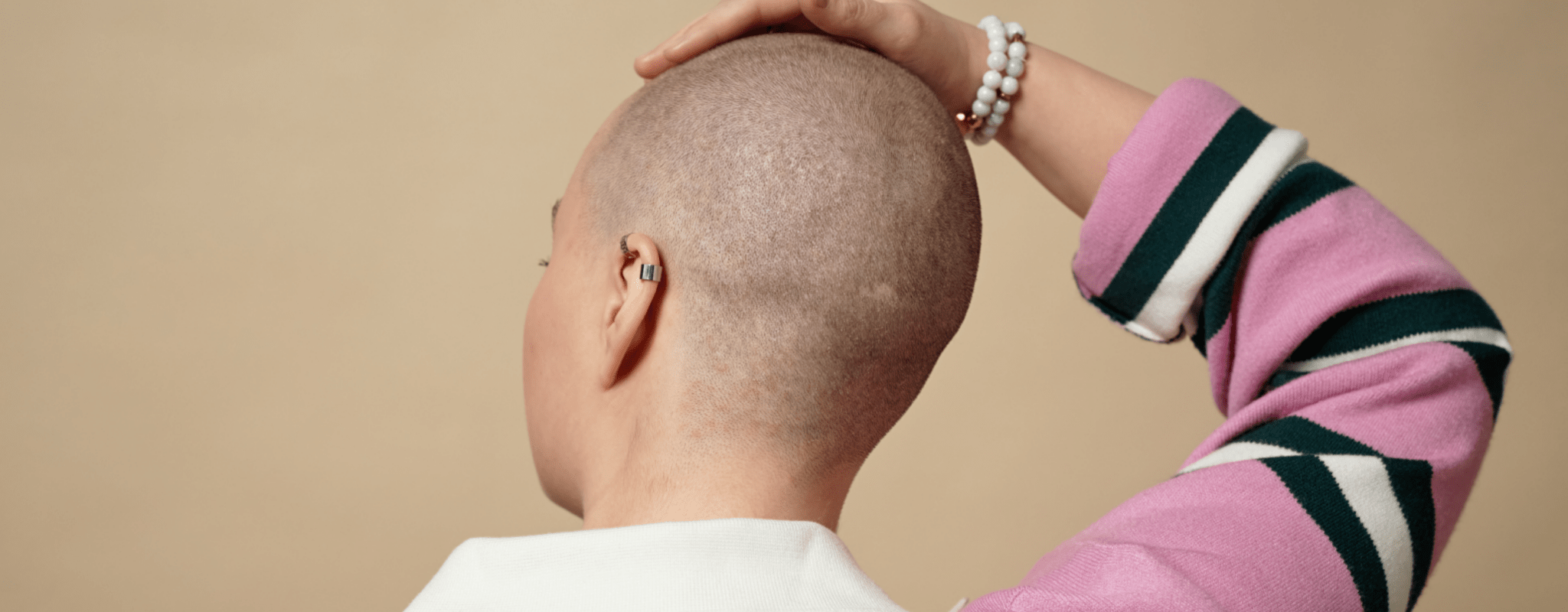
When Does Hair Grow Back After Chemo? A Complete Hair Regrowth Timeline
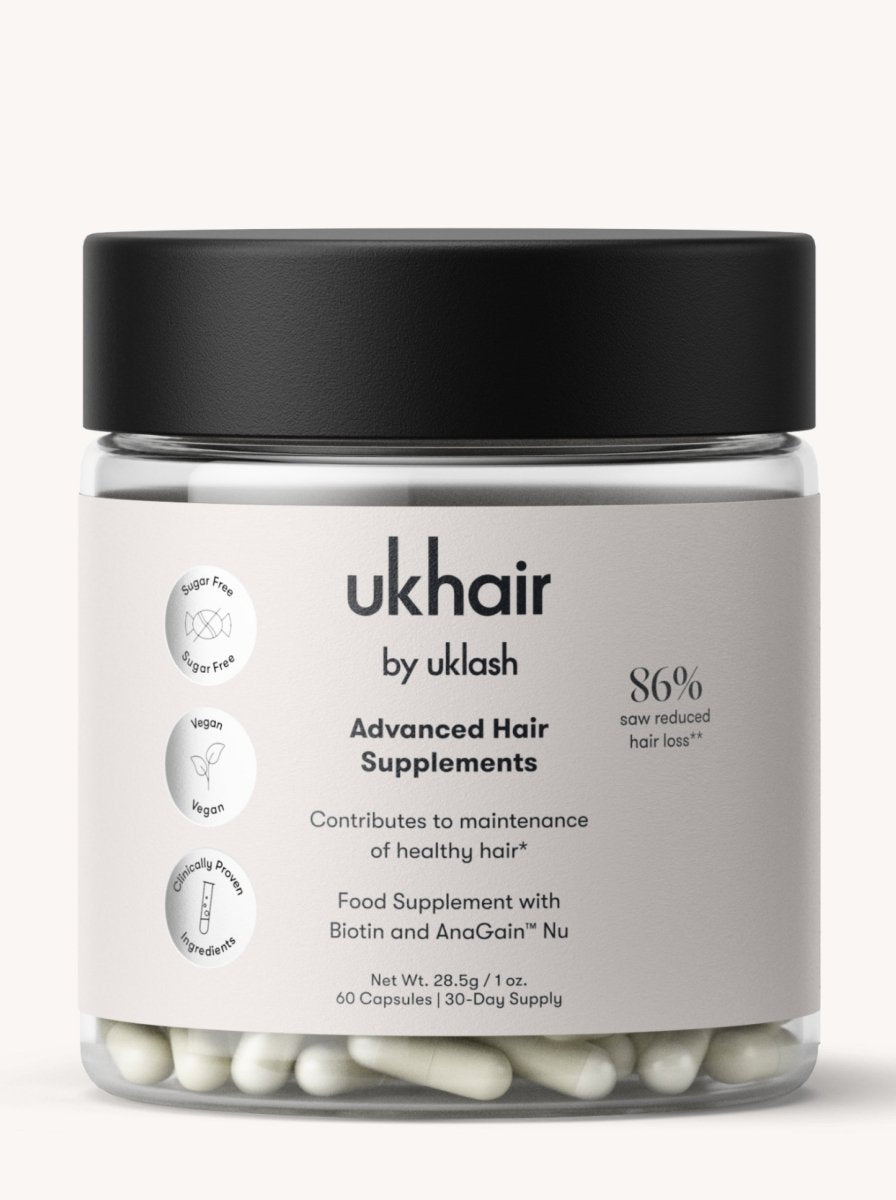 Advanced Hair SupplementsFor encouraging the appearance of stronger, longer, healthier-looking hair.
€32
For many people, hair loss is one of the first things that comes to mind when chemotherapy is mentioned. While not everyone will experience it, the possibility can feel overwhelming, especially when hair is so closely tied to identity, confidence and self-image.
If you’re wondering when hair grows back after chemo, what the regrowth stages look like, or why your hair may feel different afterwards, you’re not alone. Hair regrowth after chemotherapy is a gradual journey, and it can look different for everyone.
In this guide, we’ll walk through the typical chemotherapy hair loss timeline, the key chemo hair regrowth stages, how hair can change after treatment, and gentle ways to support your scalp and strands as they recover.
Jump To:
When Does Hair Grow Back After Chemo?
Hair growth after chemotherapy usually begins around two to three months after treatment ends, although this can vary depending on your treatment type, dosage, hair growth cycle and overall health.
Some people may notice soft, fine regrowth earlier, while others may need more time before visible growth appears. In most cases, significant hair regrowth happens within six to 12 months, with the hair growth cycle often settling around 12 to 18 months post-treatment.
It’s completely normal for regrowth to feel slow at first. Your scalp and follicles have been through a lot, and the early stages are often about recovery before visible growth begins.
| Timeline | What To Expect |
|---|---|
| During treatment and 2-3 weeks post-chemo | Hair loss may begin and can affect the scalp, brows, lashes and body hair. |
| 1-2 months post-chemo | Hair follicles may enter a resting phase before new growth becomes visible. |
| 2-3 months post-chemo | Soft, fine regrowth may start to appear, sometimes in patches. |
| 3-6 months post-chemo | Hair growth often becomes more visible and may begin to look fuller. |
| 6-12 months post-chemo | Many people see significant growth, although texture, colour and thickness may differ. |
| 12-18 months post-chemo | The hair growth cycle may begin to feel more settled and consistent. |
Chemo Hair Regrowth Stages
Stage 1: Initial Hair Loss
During Treatment and 2-3 Weeks Post-Chemo
- Hair loss often starts around two to three weeks into chemotherapy.
@tnbc_thrivers
- This can affect scalp hair, body hair, brows and lashes.
- Hair loss usually continues while chemotherapy drugs remain active in the body.
- Not everyone will lose their hair. This depends on your diagnosis, treatment type, dosage and frequency.
Stage 2: Hair Resting Phase
1-2 months post-chemo
- Hair follicles may enter the Telogen Phase, also known as the Resting Phase.
- You may not see visible regrowth straight away.
- This stage is completely normal and gives the follicles time to recover.
- Patience is important here, even though waiting can feel frustrating.
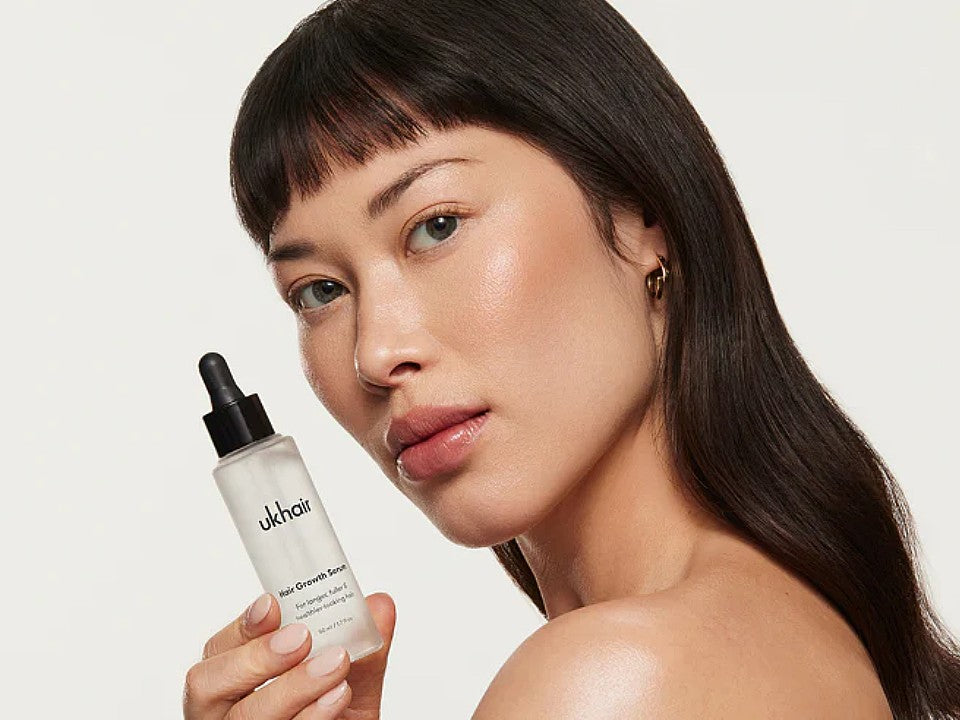
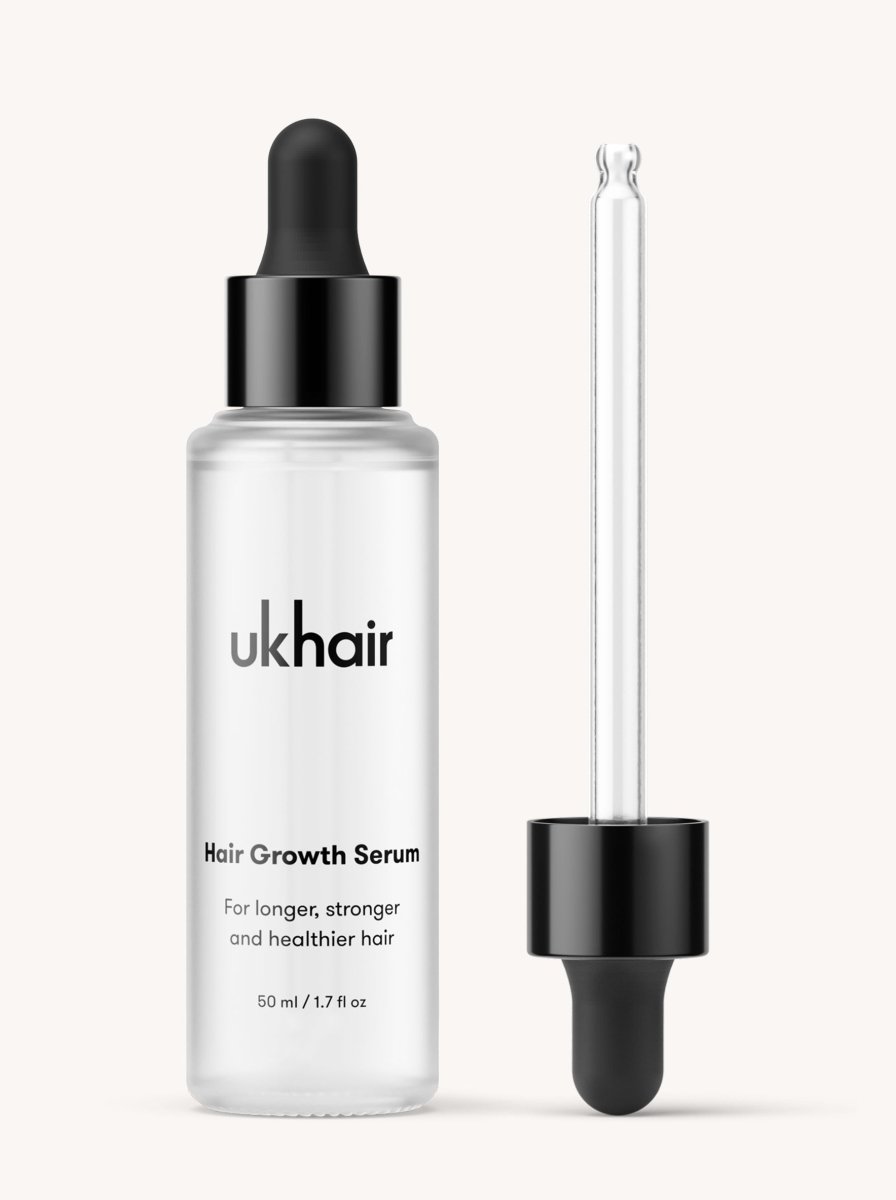
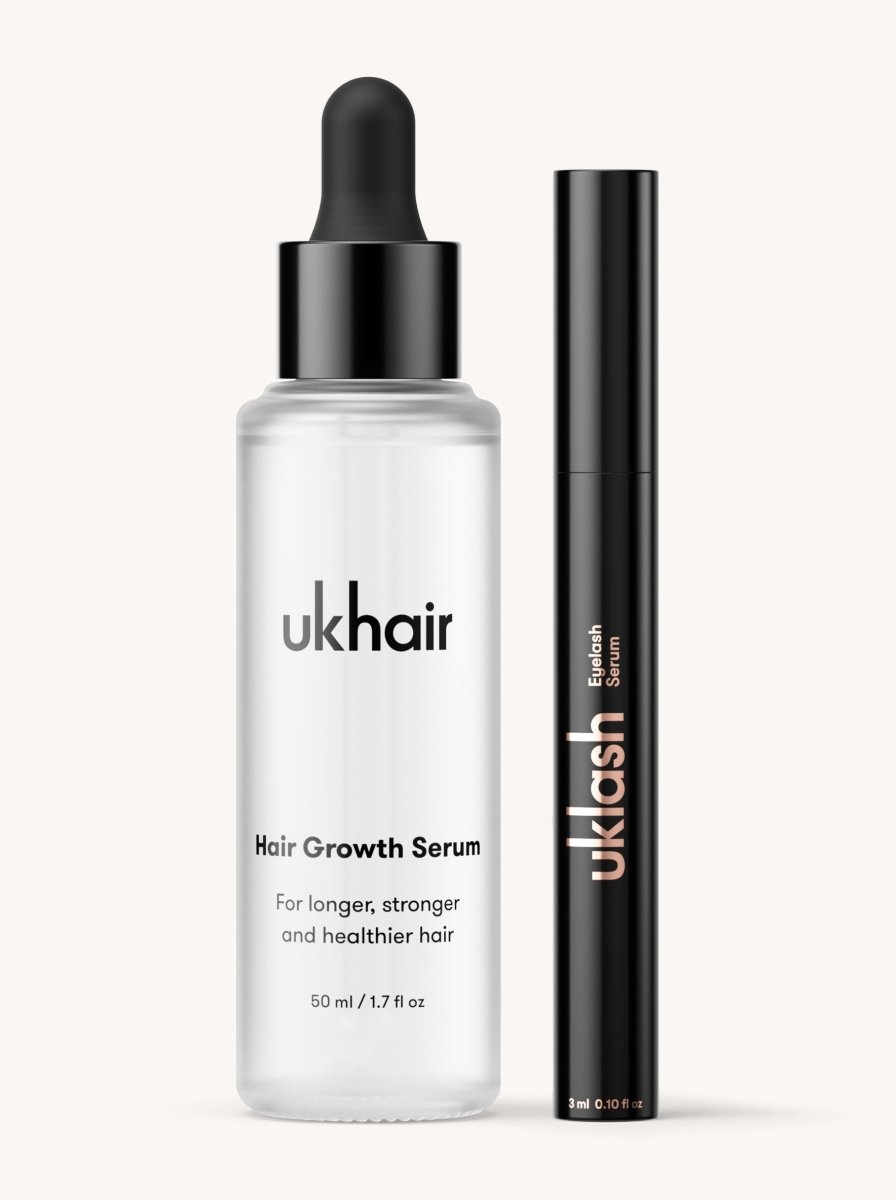
- This is a great time to start using Hair Growth Serum to stimulate the scalp and encourage growth
Stage 3: Early Regrowth Phase
2-3 months post-chemo
- Fine, soft regrowth may begin to appear.
- It may look like fuzz at first and can grow through unevenly.
- Some patches may grow faster than others.
- This early regrowth is often temporary before stronger strands begin to come through.
Stage 4: Visible Growth Phase
3-6 months post-chemo
- Hair growth may become more noticeable.
- Texture and colour changes can start to appear.
- Some people notice “chemo curls”, where hair grows back curlier than before.
- Lashes and brows may also begin to grow back around this time.
Stage 5: Established Growth Phase
6-12 months post-chemo
- Many people see significant hair growth during this stage.
- Hair may still feel more delicate than it did before treatment.
- It’s best to avoid bleach, dyes, perms and excessive heat where possible.
- Gentle scalp care and low-tension hairstyles can help reduce breakage.
Stage 6: Full Regrowth Phase
12-18 months post-chemo
- The hair growth cycle may start to feel more consistent.
- Your hair may look and feel closer to its new normal.
- Some changes in texture, colour or thickness may remain.
- Continuing with a gentle, supportive routine can help keep new growth feeling healthier, bolder and stronger.
Can Hair Grow Back Different After Chemo?
Yes, hair can grow back differently after chemotherapy. In fact, a study found that around 65% of people notice a change in their hair when it grows back after chemotherapy.
This can happen because chemotherapy may affect the hair follicle, which can temporarily or permanently change the way new hair grows. Some people notice a different texture, colour, thickness or growth pattern.
Common changes include:
- Texture changes: Hair may grow back curlier, straighter, finer or coarser than before. Curly regrowth after chemotherapy is often called “chemo curls”.
- Colour changes: Hair may appear lighter, darker, grey or white due to changes in pigment production.
- Volume changes: Hair may feel thicker or finer as the follicle recovers and the growth cycle settles.
These changes can feel emotional at first, especially when your hair doesn’t look or feel how it used to. Try to see each stage as part of your body’s recovery. Your new hair is a sign of strength, growth and everything you’ve moved through.
How To Stimulate Hair Growth After Chemotherapy
Hair regrowth after chemotherapy takes time, but there are gentle ways to support your scalp, strands and overall wellbeing as your hair begins to grow back.
- Be gentle with your scalp - Use soft movements when washing or massaging your scalp, and avoid anything that feels harsh or irritating.
- Avoid unnecessary damage - Try to limit bleach, dyes, perms and heat styling during the first year of regrowth.
- Choose low-tension hairstyles - Avoid tight ponytails, braids or styles that pull on fragile new strands.
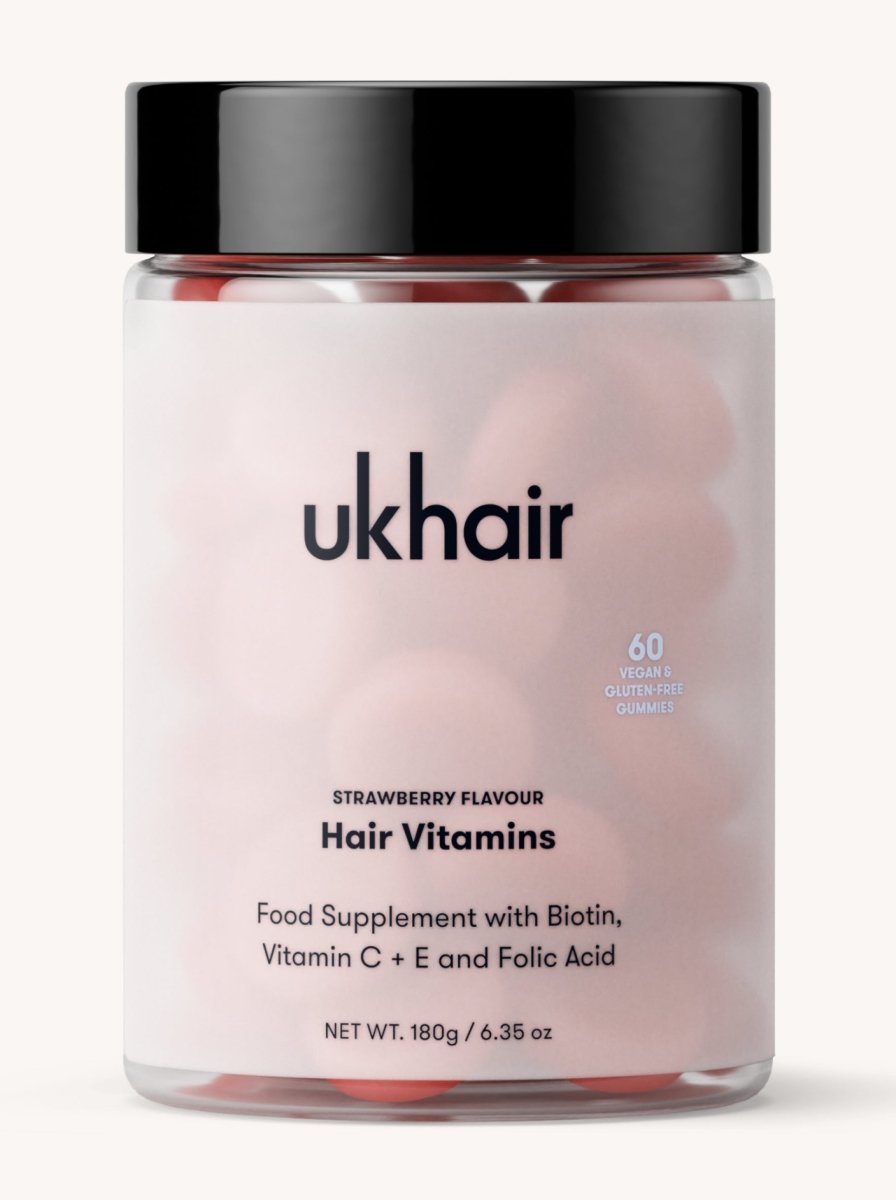
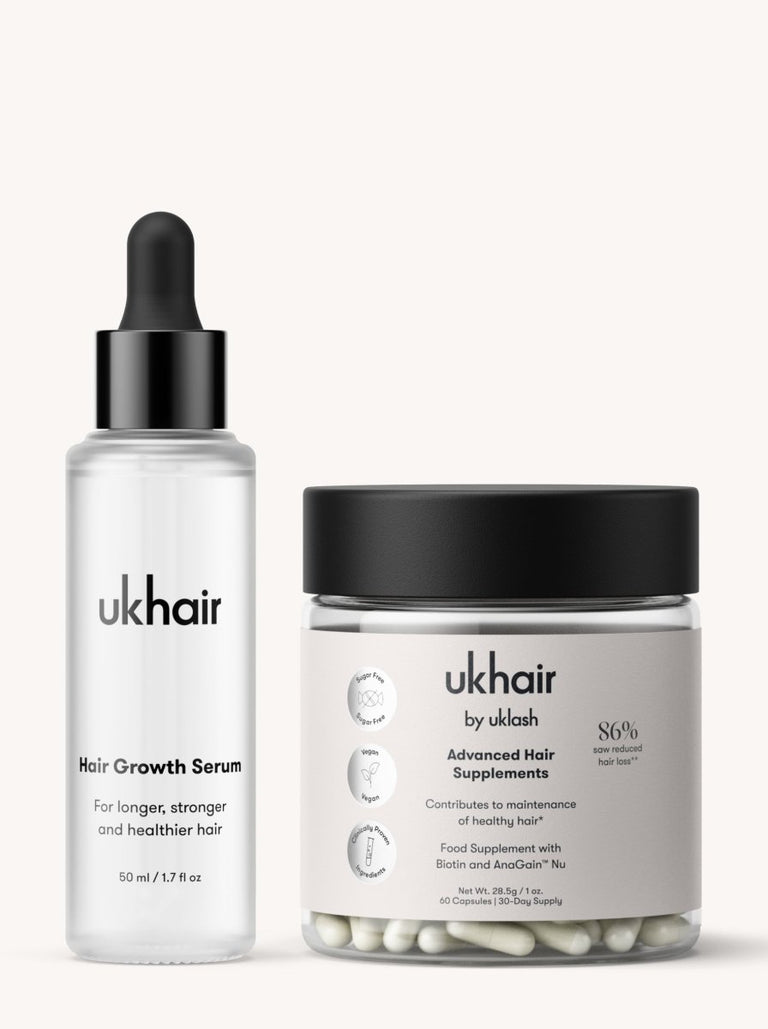
- Support your body from within - A balanced diet with protein, healthy fats, vitamins and minerals can help support normal hair health, or boost with Advanced Hair Supplements if you struggle with a naturally balanced diet.
- Protect your scalp - If your scalp is exposed, use SPF or a soft head covering when outside.
- Stay patient with the process - Hair regrowth after chemo is gradual, and every journey looks different.
Before introducing any new products into your routine, always speak to your oncologist or healthcare team.
Does everyone lose their hair during chemotherapy?
No, not everyone loses their hair during chemotherapy. Hair loss depends on the type of chemotherapy drugs used, the dosage, treatment frequency and individual response.
Why is my hair growing back curly after chemo?
Chemotherapy can affect the shape and behaviour of the hair follicle, which may cause hair to grow back curly. This is often called “chemo curls” and may be temporary or long lasting.
Can hair grow back grey after chemo?
Yes, some people notice their hair grows back grey, white or lighter than before. This can happen when chemotherapy affects the pigment-producing cells in the hair follicle.
Can I colour my hair after chemotherapy?
It’s usually best to wait until your scalp feels less sensitive and your hair is stronger. Speak to your healthcare team or hairdresser before using dyes, bleach or chemical treatments.
Can I use hair growth products after chemotherapy?
We typically suggest starting with a Hair Growth Serum after finishing Chemotherapy treatment but we always suggest consulting with your oncologist before introducing new hair growth products after chemotherapy, especially if your scalp is sensitive or still recovering.
Hair regrowth after chemotherapy is a journey, and no two timelines are exactly the same. While many people begin to see new growth within a few months of treatment ending, changes in texture, colour and thickness are completely normal.
Be patient with your scalp, gentle with your strands and proud of every stage of regrowth. Each new strand is a sign of recovery, resilience and growth.
If you have any questions about hair care after cancer treatment, please contact the UKLASH team at contact@uklash.com.
 6 min read / 4 August 2026Hair Longevity Explained: Why Everyone's Talking About Ageing HairWritten by Lauren Butler
 7 min read / 30 July 2026Best Hairstyles to Prevent Hair Breakage (Plus Tips for Healthier Hair Growth)Written by Lauren Butler
 5 min read / 3 July 2026Summer 2026 Hair Trends You’ll Be Seeing EverywhereWritten by Lauren Butler
 6 min read / 30 June 2026Nima Knows: Does GLP1 Cause Hair Loss?Written by Lauren Butler
 5 min read / 26 June 20264 Easy Hairstyles for Chemo Curls During Hair Growth After ChemoWritten by Lauren Butler
 7 min read / 23 June 2026Here We Grow Again: A Simple 5-Step Beauty Routine For Every DecadeWritten by Lauren Butler
 6 min read / 4 June 2026Does Cancer Always Cause Hair Loss? Myth-Busting Cancer and Hair LossWritten by Lauren Butler
 6 min read / 27 May 2026The 4 Minute Step To Grow Your Hair: Support Your Routine With This Simple Haircare HabitWritten by Lauren Butler
