



Does Cancer Always Cause Hair Loss? Myth-Busting Cancer and Hair Loss
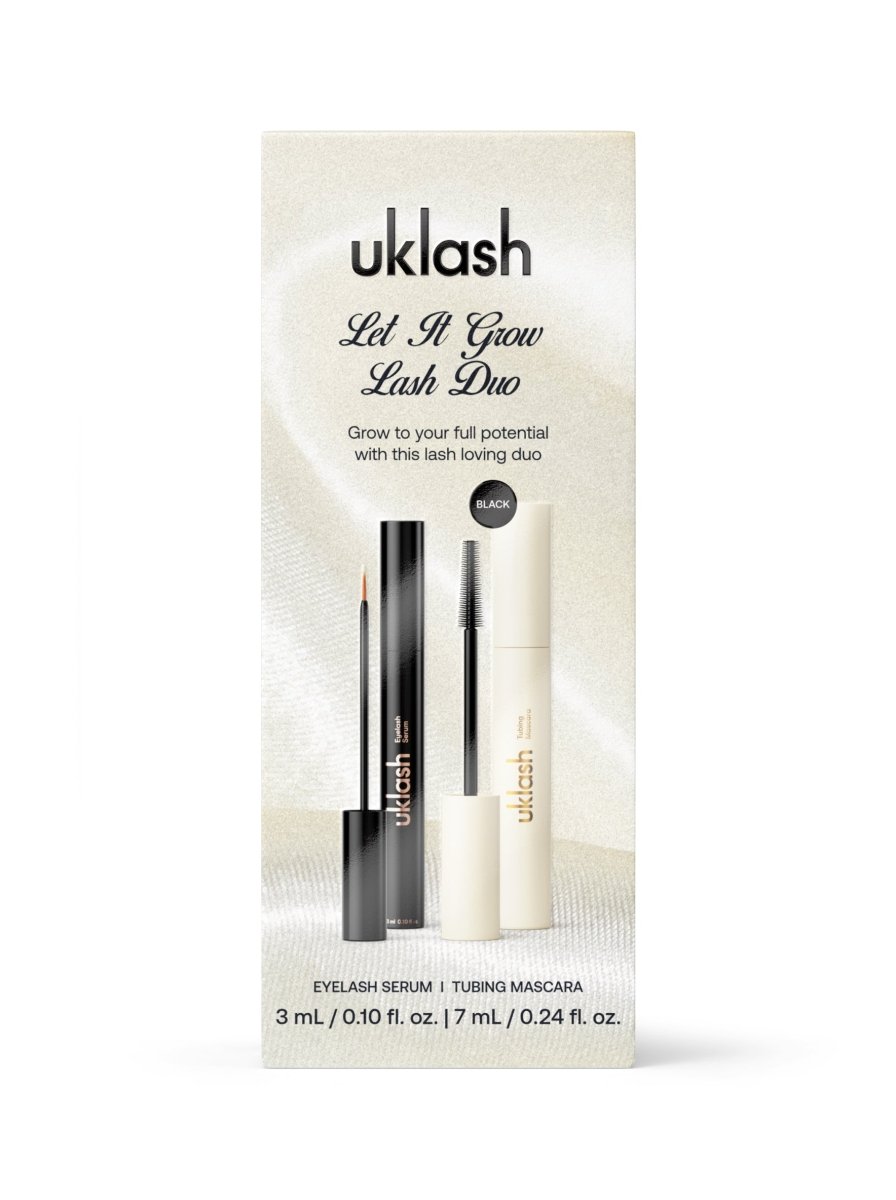

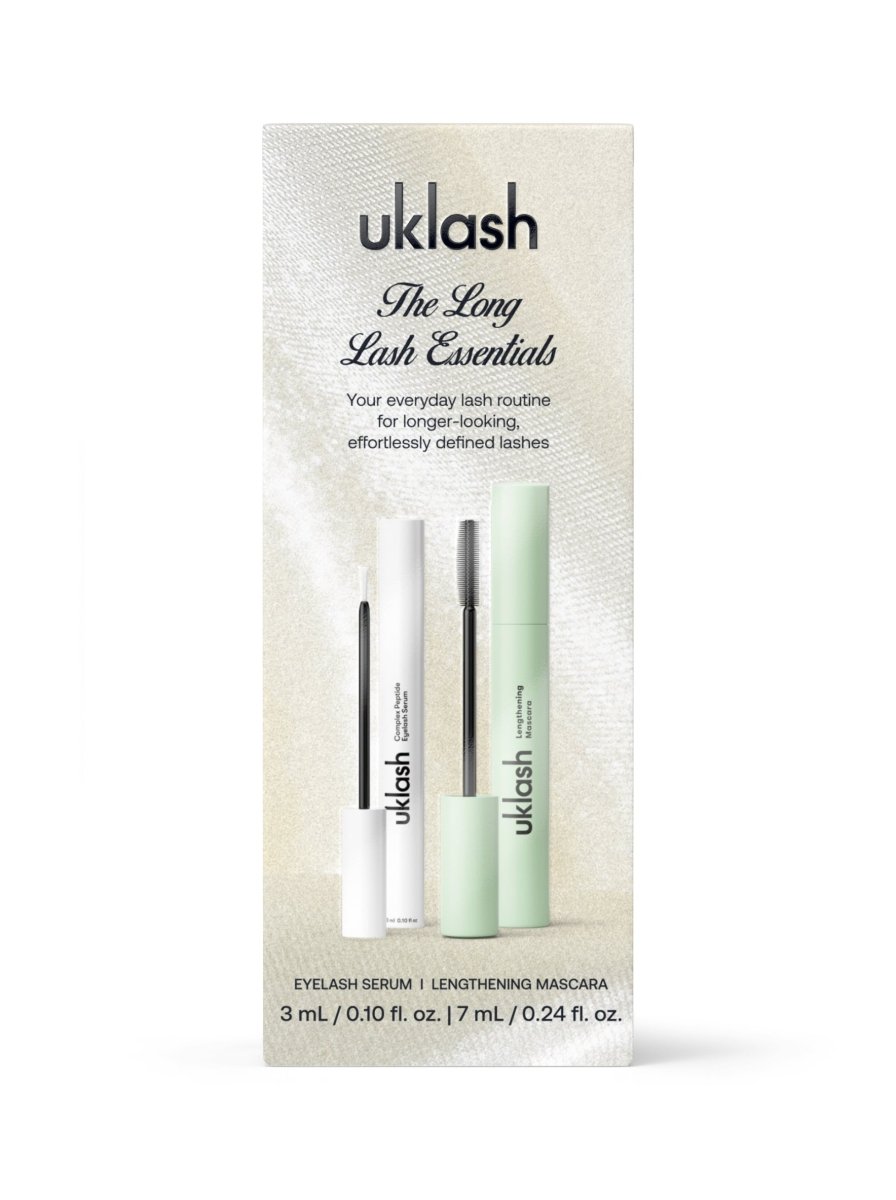 The Long Lash EssentialsYour everyday lash routine for longer-looking, effortlessly defined lashes
£55£40
 The Lift & Grow SetFor instantly lifted lashes today and longer, fuller-looking lashes over time.
£59£53.10

After receiving a cancer diagnosis, it’s completely understandable for your mind to feel full of questions. Alongside appointments, treatment plans and medical decisions, many people also find themselves thinking about changes to their confidence, appearance and sense of identity.
Jump To:
Myth: Cancer Always Causes Hair LossHow Many Hairs Do You Lose a Day?
Can Hair Loss Cause Cancer?
When Should You Speak to Your GP?
And one question that often comes up is: does cancer cause hair loss before treatment? Or, does cancer cause hair thinning? The answer is, not always.
While cancer and hair loss are often linked in people’s minds, hair loss is not an inevitable part of every cancer diagnosis. In fact, many cancers do not directly affect the hair at all. That said, there are certain situations where cancer itself, or the stress and treatments surrounding it, may contribute to hair thinning or shedding.
Below, we’re discussing some of the most common misconceptions and exploring five ways cancer and hair loss can be connected.
Myth: Cancer Always Causes Hair Loss
Let’s start with the biggest myth. Many people assume that a cancer diagnosis automatically means losing your hair. While hair loss is a well-known side effect of some cancer treatments, cancer itself does not always cause hair loss.
Whether someone experiences hair thinning, shedding or more significant hair loss depends on several factors, including the type of cancer, where it is in the body and the treatments being used.
So, let’s take a closer look at when hair loss may happen.
1. Skin Cancer on the Scalp
Some forms of skin cancer can develop on the scalp, including basal cell carcinoma, squamous cell carcinoma and melanoma.
When skin cancer develops in an area where hair follicles are located, it may affect healthy hair growth. Hair loss can sometimes happen around the affected area, particularly if the cancer impacts the surrounding skin or follicles.
Treatment for scalp skin cancers, including surgery, may also lead to temporary or permanent hair loss, depending on the size and location of the area being treated.

2. T-Cell Lymphoma
Certain rare forms of cutaneous T-cell lymphoma affect the skin and can sometimes impact hair growth.
These cancers may cause inflammation in the skin, which can disrupt normal follicle function and lead to patches of hair loss. In some cases, symptoms may appear on the scalp, eyebrows or other hair-bearing areas.
Because these conditions are quite rare, they are not usually the first explanation for unexplained hair loss. Even so, persistent symptoms should always be checked by a healthcare professional.
3. Stress Caused by Cancer
A cancer diagnosis can be one of the most emotionally challenging things a person goes through.
The physical and emotional stress linked to diagnosis, treatment decisions and ongoing uncertainty can trigger a type of temporary hair shedding known as telogen effluvium.
This happens when more hair follicles than usual enter the resting phase of the hair growth cycle. As a result, increased shedding may appear several months after a stressful event.
So, when people search “is hair loss a sign of cancer?”, the answer is often more complex. Hair loss may be linked to stress, illness, hormonal changes or other underlying factors rather than cancer itself.
If you’re worried about hair loss, it’s always best to speak to your GP or a Trichologist for personalised advice.
4. Metastatic Cancer
Metastatic cancer, also known as Stage 4 cancer or advanced cancer, happens when cancer spreads from its original point to other parts of the body. Depending on the location and extent of the disease, the body’s overall health may be affected, which can sometimes contribute to nutritional deficiencies, inflammation or physiological stress that impacts hair growth.
However, hair loss is generally not considered a primary symptom of metastatic cancer.
And if you’re wondering whether female hair loss is a sign of cancer, it’s helpful to know that female hair loss is far more commonly linked to genetics, hormonal changes, menopause, thyroid conditions, iron deficiency or stress.

5. Cancer Treatments Such as Chemotherapy
This is the connection most people are familiar with. Chemotherapy works by targeting rapidly dividing cells. While this helps destroy cancer cells, it can also affect other fast-growing cells in the body, including hair follicles.
As a result, many chemotherapy treatments can lead to temporary hair loss on the scalp, eyebrows, eyelashes and body.
That said, not all chemotherapy drugs cause hair loss, and some may only cause mild thinning. Other cancer treatments, including radiotherapy, targeted therapies and immunotherapies, may also affect hair growth depending on the treatment type and area being treated.
This is why many people asking “does cancer cause hair loss?” are actually referring to treatment-related hair loss rather than the cancer itself.
How Many Hairs Do You Lose a Day?
Before worrying about excessive shedding, it’s helpful to understand what normal hair loss looks like.
Most people lose between 50 and 100 hairs per day as part of the natural hair growth cycle.
You may notice hairs on your pillow, in the shower, or when brushing your hair. This is completely normal.
However, if you’re noticing significantly more shedding than usual, widening part lines, visible scalp areas, or sudden changes in hair density, it’s important to speak to your GP. They can help identify potential underlying causes and recommend appropriate next steps.
Can Hair Loss Cause Cancer?
No. To answer a common search query directly, hair loss cannot cause cancer.
Hair loss is a symptom or condition with many possible causes, including genetics, hormones, nutritional deficiencies, stress, medical conditions, medications, and certain treatments.
Hair Loss NHS Guidance: When Should You Speak to Your GP?
According to NHS guidance, you should consider speaking to your GP if you experience:
- Sudden or patchy hair loss
- Significant increases in daily shedding
- Hair loss accompanied by itching, pain, or scalp changes
- Hair loss alongside other unexplained symptoms
- Concerns about persistent hair thinning
Seeking professional advice can help identify whether the cause is temporary, treatable, or requires further investigation.
How Long Does Hair Take to Grow Back?
One of the most common questions following treatment-related hair loss is, how long does it take hair to grow back? Hair regrowth timelines vary from person to person, but many people begin noticing new growth within several weeks to a few months after treatment ends. For more information on the hair regrowth timeline after cancer treatment, head to our article here.
While cancer and hair loss are often associated with one another, the reality is more nuanced.
The answer to “does cancer cause hair loss?” is sometimes, but not always. Certain cancers, scalp conditions, stress responses, advanced disease, and cancer treatments can all contribute to hair thinning or shedding. However, many people with cancer never experience significant hair loss at all.
If you’re concerned about changes in your hair, whether related to cancer or not, speaking with your GP is the best place to start. Hair loss can be caused by a wide range of factors, and understanding the root cause is the first step towards finding the right support and treatment.

 8 min read / 19 October 2026Why Do Eyelashes Fall Out During Menopause? Causes and TipsWritten by Lauren Butler
 7 min read / 15 October 2026Clear Mascara vs Tinted Lash Lift Gel: What’s Better For a No-Makeup Makeup Look?Written by Lauren Butler
 9 min read / 9 October 2026The Best Beauty Gift Sets For Someone Who Already Has EverythingWritten by Lauren Butler
 6 min read / 6 October 2026What Happens To Hair During Midlife? 9 Menopause Hair Questions AnsweredWritten by Lauren Butler
 9 min read / 1 October 2026Winter Hair Trends 2026: The Colours, Cuts and Styles We’re LovingWritten by Lauren Butler
 15 min read / 29 September 2026How To Grow Eyelashes: The Lash Growth Cycle ExplainedWritten by Sarah Parkes
 8 min read / 24 September 20263 Steps To The Perfect Brows At Home: Your DIY Brow ChecklistWritten by Lauren Butler
 8 min read / 22 September 2026How Long Does a Lash Lift Last? Master Lash Lift Aftercare At HomeWritten by Lauren Butler


