

Top 4 Unexpected Changes To Hair In Menopause
 The Lift & Grow SetFor instantly lifted lashes today and longer, fuller-looking lashes over time.
€71€63,90
You notice it one morning while brushing your hair. Then again in the shower. A few weeks later, your parting looks a little wider. Your ponytail doesn’t feel as full as it once did. Styling takes longer because your hair seems drier, frizzier or simply doesn’t behave the way it used to.
For many women, these small changes happen gradually during perimenopause before becoming impossible to ignore. While symptoms like hot flushes and mood changes are widely talked about, hair in menopause often isn’t. Yet it’s one of the most common changes women experience.
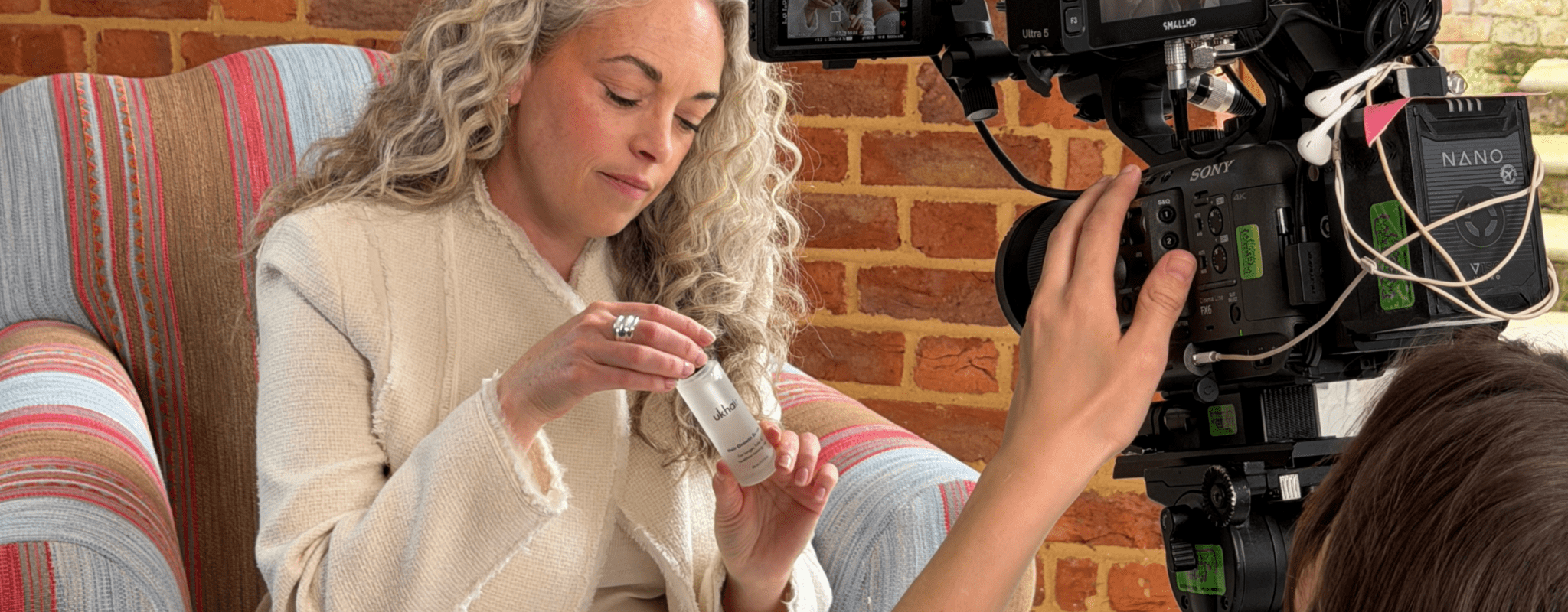
Jennifer, who is transitioning from perimenopause into menopause, understands this journey all too well. “As I’ve grown, I see beauty differently now. I see that society trains us, especially as young girls, to not really embrace who we truly are and to always add all these different things or change our looks. So I think now that I’m almost 50, I’ve learned to just be who you are. Beauty is so much more than skin deep.”
Hair changes during menopause can feel unexpected, but they’re also incredibly common. Understanding what’s happening is the first step towards caring for your hair with confidence.
Why Does Menopause Affect Your Hair?
Hormones play a huge role in the health of your hair. During perimenopause and menopause, oestrogen levels naturally decline. Oestrogen helps support the hair growth cycle, keeping hair growing for longer before it sheds. As hormone levels change, that cycle can become shorter, meaning more hairs enter the shedding phase and fewer spend time actively growing.
At the same time, your scalp produces less natural oil, which can leave hair feeling drier and more fragile. You may also notice changes to your hair’s texture, strength and growth rate.
While every woman’s experience is different, these are four of the most common hair changes during menopause.
1. Hair Thinning
For many women, hair thinning is the first noticeable sign that something has changed. It isn’t usually dramatic overnight hair loss. Instead, it’s the small moments that add up over time.
You might notice:
- More hair in your brush than usual
- More strands collecting in the shower
- A wider parting
- A thinner ponytail
- Less volume around the crown
- More scalp becoming visible
If you’ve found yourself searching “can menopause cause hair loss?”, the answer is yes. Menopause and hair loss are closely linked because hormonal changes can shorten the natural hair growth cycle.
One of the questions we hear most is “how to reverse thinning hair after menopause?”. While hormonal hair thinning can’t always be completely reversed, supporting your scalp and hair with a consistent routine can help encourage healthier-looking, fuller hair over time.
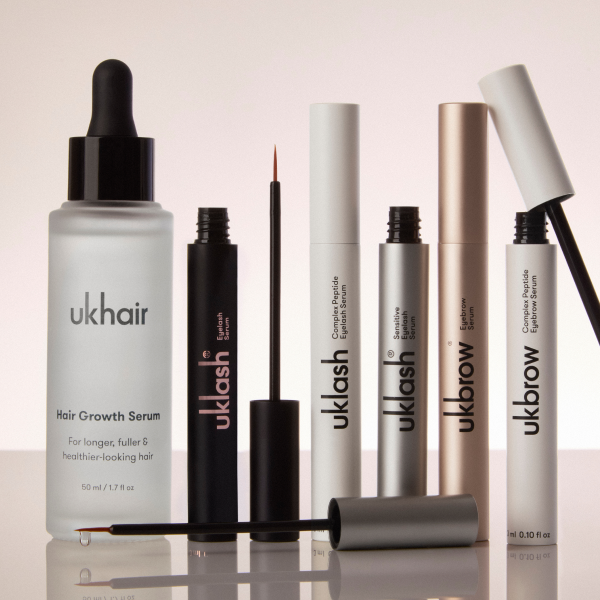
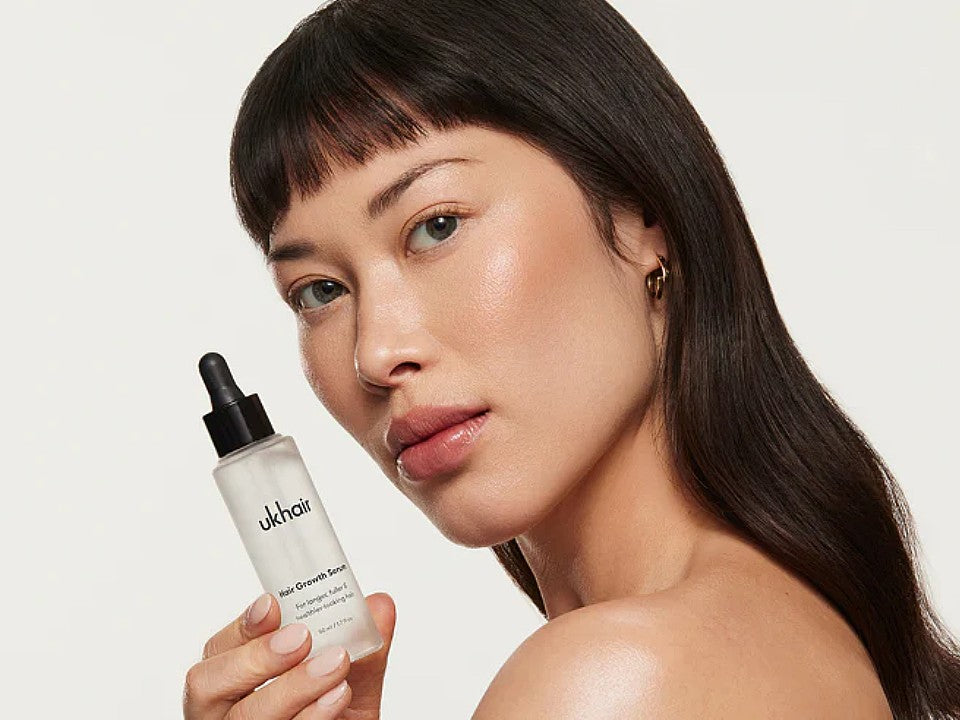
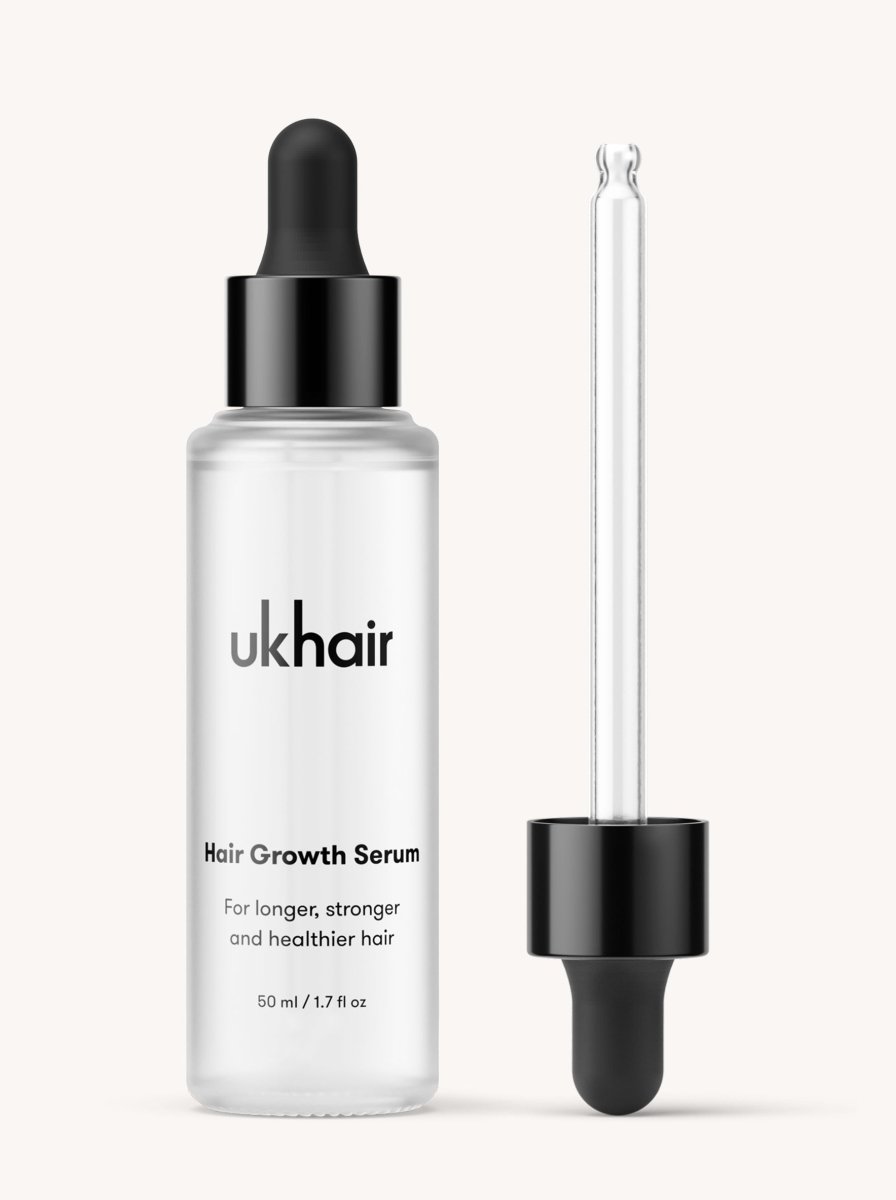
Applying a daily scalp treatment, like our Hair Growth Serum, helps create the ideal environment for healthier-looking hair while supporting the appearance of thicker, fuller strands. Pairing topical care with nutritional support, such as our Advanced Hair Supplements, can also help support normal healthy hair growth as part of a balanced diet and healthy lifestyle.
The earlier you establish a routine, the better placed your hair is to thrive through every stage of menopause.

2. Dry Hair
If you’ve been wondering, “why is my hair so dry?”, hormonal changes could be the reason.
As oestrogen declines, your scalp produces less sebum, the natural oil that helps keep hair smooth, moisturised and protected. Without that moisture, hair can become dry and brittle, making it more prone to breakage and frizz.
The good news is that a few simple changes can make a noticeable difference:
- Choose a nourishing Shampoo that’s gentle on dry hair
- Always follow with a hydrating Conditioner.
- Add a weekly Hair Mask to replenish moisture.
- Avoid overwashing, which can strip away natural oils. Read ‘How Many Times a Week Should You Wash Your Hair’ to learn more
3. Wiry Hair Texture
Perhaps the biggest surprise for many women isn’t losing hair. It’s discovering that the hair they still have feels completely different.
Hair that was once smooth may suddenly feel coarse. Soft waves can become tighter curls. Straight hair can develop bends, while individual strands feel thicker or wirier than before.
These texture changes happen because fluctuating hormones can influence the structure of each strand as it grows.
For Jennifer, embracing those changes became part of embracing herself. “My hair today really defines who I am. I’ve let it go completely natural and I’ve embraced the curl and I’ve embraced the grey, so it truly shows the life I’ve lived and I love it so much more.”
Rather than trying to force your hair back to how it used to be, this can be an opportunity to discover what your hair needs now. Rich conditioners, hydrating styling creams and moisture-focused routines can help enhance your natural texture, whatever it looks like today.
4. Slower Hair Growth
Have you noticed your haircut seems to last longer than it used to? Or perhaps it feels like your hair simply isn’t growing.

During menopause, hair often spends less time in its active growth phase. As a result, new hair takes longer to appear and it can feel as though your hair has reached a certain length and stopped growing altogether. While hair is still growing, it may be growing more slowly than before.
Consistency becomes even more important during this stage. Looking after your scalp, protecting your lengths from breakage and nourishing your hair from within all contribute to healthier-looking growth over time. Take our Hair Journey Check In Quiz to discover a personalised routine tailored to your hair goals, concerns and stage of your hair journey.
Hair has always been deeply personal. It’s part of our identity, our confidence and how we see ourselves. So when it changes, it’s completely normal to feel unsettled.
But menopause isn’t just about losing what was. It’s also about discovering what comes next.
Jennifer puts it beautifully. “I’ve learned to just be who you are. Beauty is so much more than skin deep.”
Your hair may feel different today than it did ten years ago, but with the right care, patience and routine, it can still feel healthy, strong and uniquely yours.
 6 min read / 9 September 2026Pumpkin Spice Latte Season Has Begun: 5 Autumn Makeup Trends We’re Obsessing OverWritten by Lauren Butler
 7 min read / 2 September 2026Unboxing the Best Beauty Advent Calendars Actually Worth Your MoneyWritten by Lauren Butler
 6 min read / 25 August 2026Meet The Lash Lift Kit Made For Your 5 Minute Morning RoutineWritten by Lauren Butler
 6 min read / 24 August 2026What Are Ghost Lashes? Meet the Barely-There Lash TrendWritten by Lauren Butler
 7 min read / 21 August 20266 Natural Menopause Treatments That Really WorkWritten by Lauren Butler
 6 min read / 19 August 2026Do You Need An Eyelash Primer? Here’s When It Makes a DifferenceWritten by Lauren Butler
 4 min read / 6 August 2026Is Vitamin E Oil for Skin, Hair and Lashes the Ingredient You’re Missing for Growth?Written by Lauren Butler
 6 min read / 4 August 2026Hair Longevity Explained: Why Everyone's Talking About Ageing HairWritten by Lauren Butler
