


6 Natural Menopause Treatments That Really Work
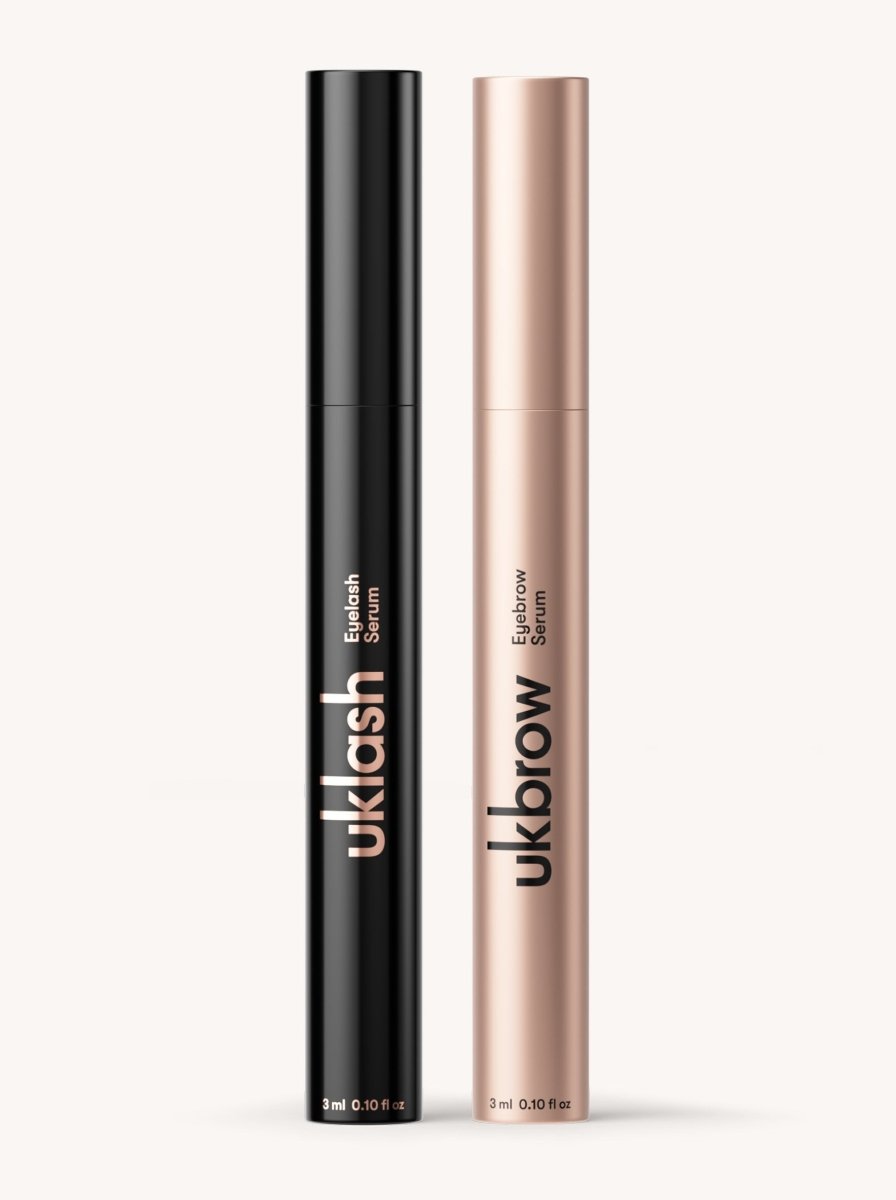
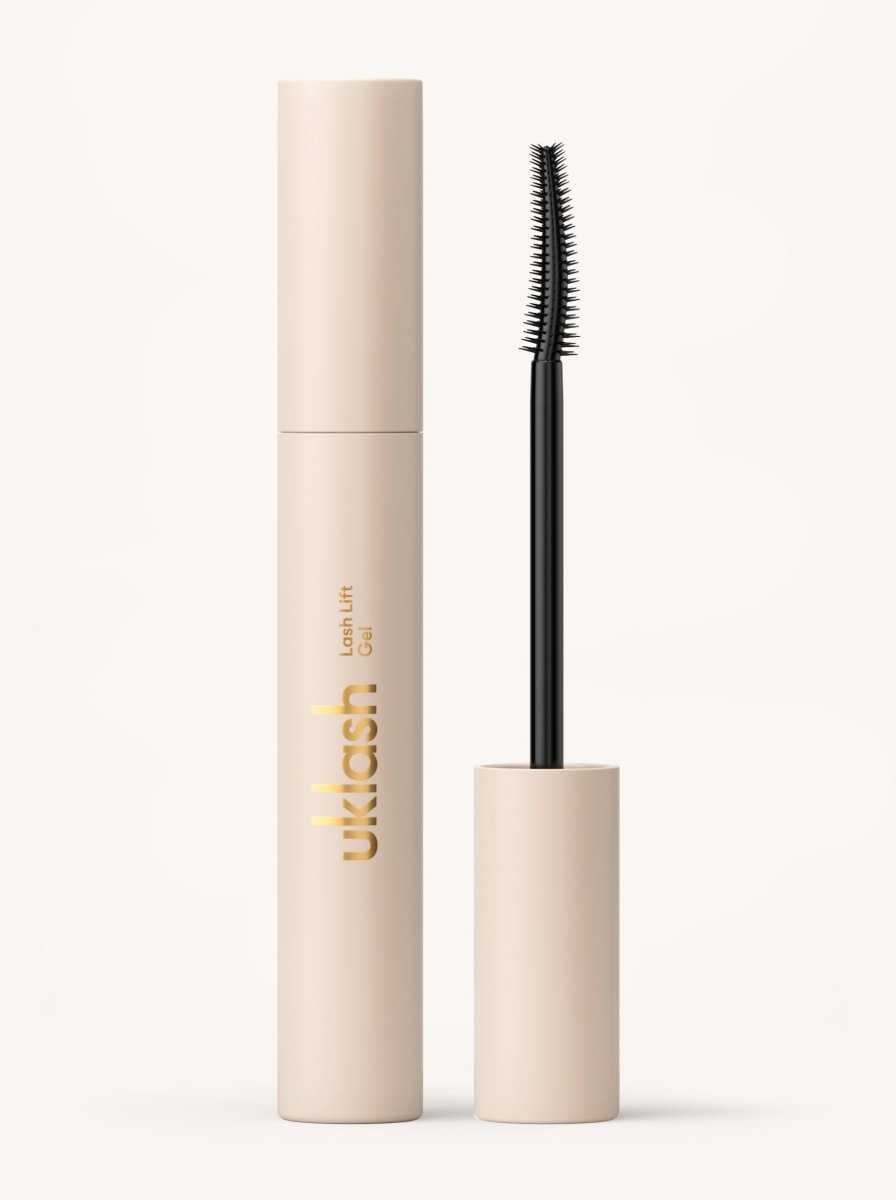
 The Lift & Grow SetFor instantly lifted lashes today and longer, fuller-looking lashes over time.
€71,65€64,48
Menopause can feel a little like your body has changed the rules without sending you the new handbook.
Sleep can become harder to come by, energy levels shift, joints can feel different and then there’s your hair. For some women, menopause hair loss, dryness and changes in texture can be particularly difficult to navigate.
The good news is that you don’t simply have to put up with symptoms. From lifestyle changes to professional menopause support, there are evidence-based ways to look after yourself through perimenopause, menopause and beyond.
And when we say natural menopause treatments, we don’t necessarily mean herbal remedies for menopause. We’re looking at small shifts you can easily make in your day to day that can make a huge difference in how you experience menopause.
So let’s get into it..
1. Movement Makes a Difference
Regular movement might sound simple, but it can have an important role in supporting your health during menopause.
The NHS recommends regular exercise during perimenopause and menopause, with a particular focus on weight-bearing exercise to help protect bone health. Strength training, walking, yoga, swimming and other forms of movement can all have a place in a routine that works for you.
Exercise can also support general wellbeing and sleep, two areas that may feel more challenging during menopause.
You don’t need to suddenly become a gym regular, either. The best movement is something realistic enough to keep doing. A brisk walk still counts.
2. Refocus Your Diet
Rather than searching for one miracle menopause food, focus on giving your body the nutrients it needs as it moves through this stage of life.
The NHS recommends focusing on a balanced diet during menopause, including calcium-rich foods to support bone health. Protein is also an important part of a balanced diet and contributes to the maintenance of muscle mass.

One study from the National Library of Medicine looked at vitamin concentrations in women before, during and after menopause. Researchers observed changes in several vitamins across these stages, including a gradual decrease in Vitamin C and increase in Vitamin A, E and D.
If you feel consistent fatigue, you might find yourself searching for vitamins for menopause fatigue, perimenopause vitamins or a multivitamin for perimenopause. Rather than guessing what your body needs, speak to your GP or another qualified healthcare professional, particularly if your symptoms are persistent.
Supplements can help address specific nutritional needs, but they aren’t a replacement for a varied, balanced diet. And because fatigue can have many different causes, it’s worth getting personalised advice rather than assuming menopause or low oestrogen is responsible.
3. Be Smart About Menopause Supplements

There are plenty of menopause supplements, supplements for menopause and supplements for perimenopause available, and knowing which ones are worth your time can be confusing.
You might see products promoted as the best female hormone balance supplements, alongside everything from supplements for menopause joint pain to specialist vitamins for perimenopause.
A good way to narrow down what you need is to consider the changes you’re experiencing and look for targeted support where appropriate. Hair is a good example. Hair thinning and hair loss can occur during perimenopause and menopause, and if your hair is one of the changes you’ve noticed, you may want to give it a little extra nutritional support.
Our UKHAIR by UKLASH Advanced Hair Supplements are formulated with AnaGain NU™ (Pea Sprout Extract), Vitamin C, Biotin and Ginseng Root Extract to support visibly thicker, fuller hair and help reduce excessive shedding. They’re not designed to treat menopause or alter your hormone levels. Instead, they offer targeted support for your hair as part of your everyday routine.
So when it comes to supplements, skip the one-size-fits-all approach. Choose them for a specific need, check the ingredients and speak to your GP or pharmacist if you’re unsure what’s right for you, particularly if you take medication or have an existing health condition.
4. Protect Your Sleep And Reduce Stress Where You Can
If you’re wide awake at 3am wondering when you last had a truly good night’s sleep, you’re certainly not alone.
Changes during perimenopause and menopause can affect sleep, while night sweats can make things even more disruptive.
The NHS recommends maintaining a regular sleep routine and trying relaxing activities such as yoga, tai chi or meditation. Small habits such as creating a consistent bedtime and keeping your bedroom cool may also make your evening routine feel more manageable.
5. Change How You Care For Menopause Hair
Hair changes deserve their own conversation. Hormonal changes around menopause can coincide with changes in hair density, texture and condition. If you’ve noticed hair fall in menopause, thinning hair during menopause or a wider parting, you may already have found yourself searching for menopause hair regrowth or how to reverse thinning hair after menopause.
Alongside professional advice, treating your hair more gently can help reduce avoidable damage and breakage. Try turning down the heat, avoiding very tight hairstyles and choosing products designed to cleanse and condition without making your routine unnecessarily complicated.
If you’re searching for the best shampoo for menopausal dry hair or best shampoo for menopausal hair, look beyond the word ‘menopause’ on the bottle and consider what your hair actually needs.
Our UKHAIR by UKLASH Hair Shampoo contains Vitamin B5 (Panthenol), Pineapple Extract and Hydrolyzed Wheat Protein. Vitamin B5 (Panthenol) helps repair and protect hair, while Hydrolyzed Wheat Protein helps hydrate and strengthen.
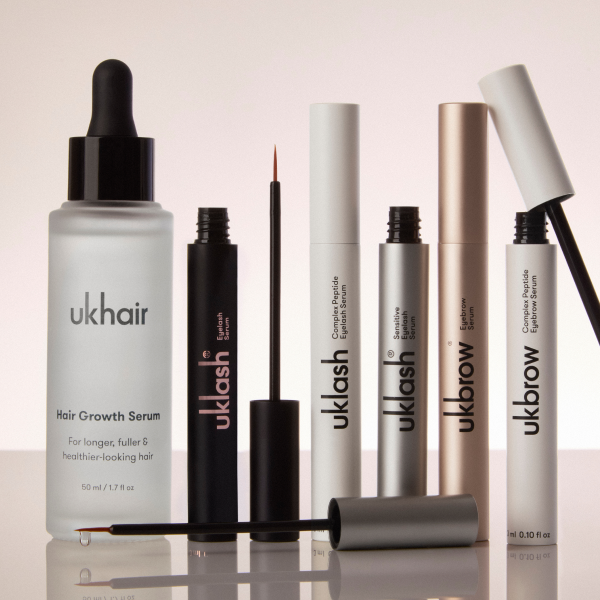
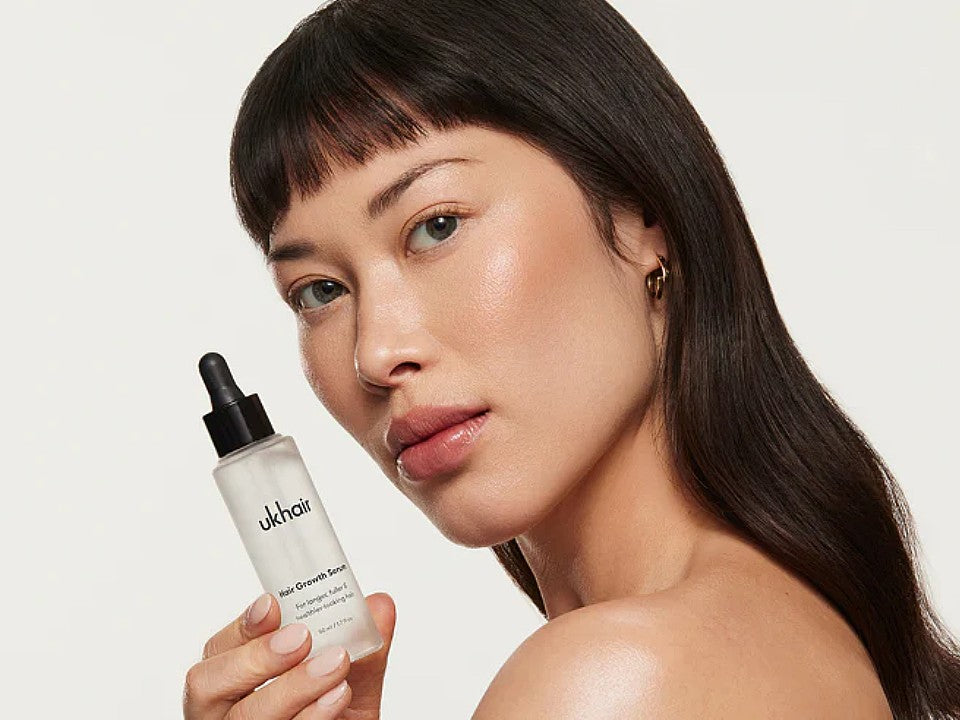
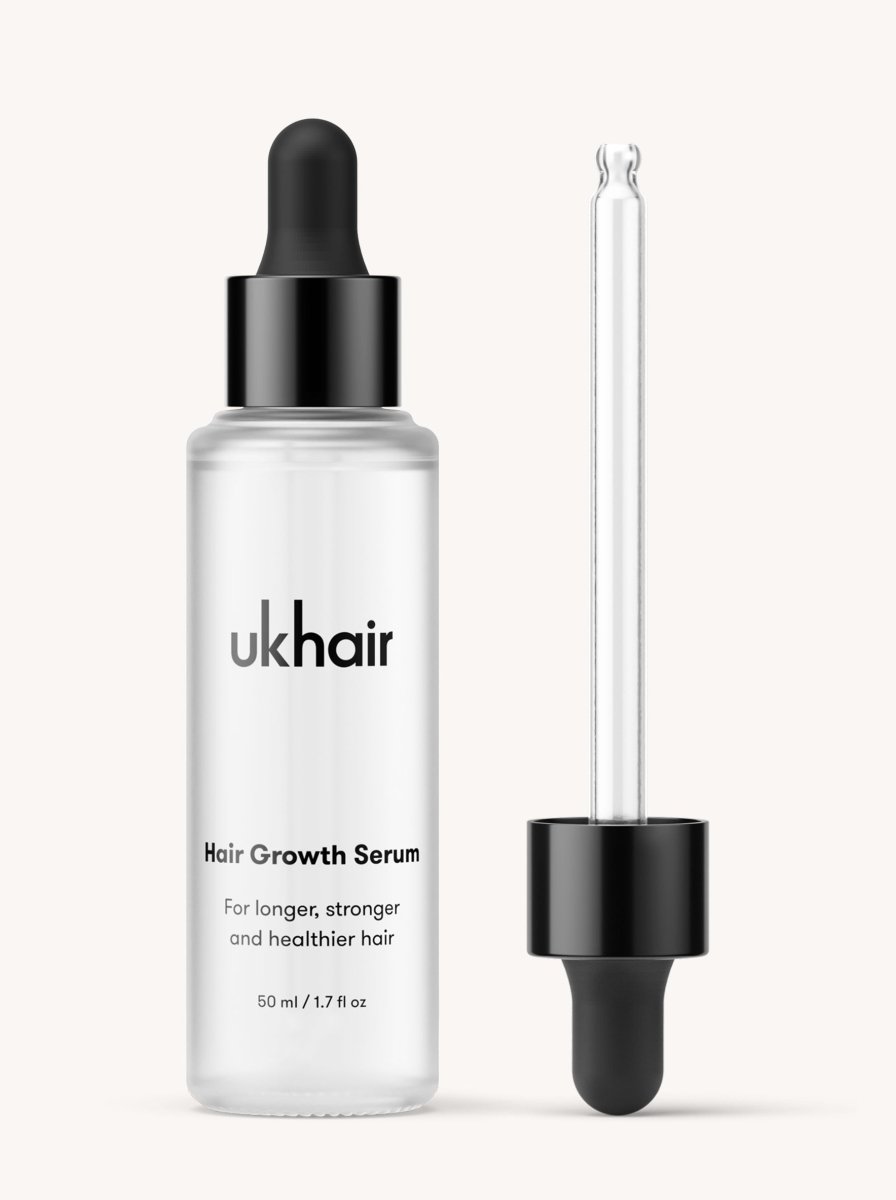
For a more targeted addition to your routine, our UKHAIR by UKLASH Hair Growth Serum contains AnaGain™ (Pea Sprout Extract), Turmeric and Lemon Fruit Water. It’s designed to support healthier-looking hair from the root and can slot easily into a low-maintenance scalp routine.
6. Find Your Cool When Hot Flushes Hit
Hot flushes and night sweats are some of the most well-known symptoms of menopause, but that doesn’t make them any less disruptive. When they’re affecting your sleep, concentration or confidence, a few everyday changes may help make them easier to manage.
Simple changes like wearing light clothing, keeping your bedroom cool at night and using a fan or having a cold drink when you feel a hot flush coming on.
It can also be useful to get to know your personal triggers. The NHS suggests reducing potential triggers such as spicy foods, caffeine, hot drinks, smoking and alcohol. You don’t necessarily need to cut everything out at once. Keeping a simple symptom diary can help you notice whether certain habits consistently make your hot flushes worse.
Most importantly, you don’t have to quietly get on with symptoms that are affecting your everyday life. If hot flushes or night sweats are becoming difficult to manage, speak to your GP about the menopause support and treatment options available to you.
There isn’t one perfect menopause routine, just as there isn’t one universal menopause experience.
For some women, lifestyle adjustments provide meaningful support. Others may want to explore perimenopause supplements or supplements for menopause with professional guidance. And for many, evidence-based medical treatments such as HRT can make a significant difference to symptoms.
Start with what you’re experiencing, not what social media tells you that you should be experiencing. Speak to your GP about symptoms that are affecting your quality of life, ask questions about your options and give yourself permission to adapt your routines as your body changes.

 6 min read / 6 October 2026What Happens To Hair During Midlife? 9 Menopause Hair Questions AnsweredWritten by Lauren Butler
 9 min read / 1 October 2026Winter Hair Trends 2026: The Colours, Cuts and Styles We’re LovingWritten by Lauren Butler
 15 min read / 29 September 2026How To Grow Eyelashes: The Lash Growth Cycle ExplainedWritten by Sarah Parkes
 8 min read / 24 September 20263 Steps To The Perfect Brows At Home: Your DIY Brow ChecklistWritten by Lauren Butler
 8 min read / 22 September 2026How Long Does a Lash Lift Last? Master Lash Lift Aftercare At HomeWritten by Lauren Butler
 6 min read / 17 September 2026Nano Brows vs Microblading: Which Treatment Is Best for You?Written by Lauren Butler
 6 min read / 9 September 2026Pumpkin Spice Latte Season Has Begun: 5 Autumn Makeup Trends We’re Obsessing OverWritten by Lauren Butler
 7 min read / 2 September 2026Unboxing the Best Beauty Advent Calendars Actually Worth Your MoneyWritten by Lauren Butler


