

What Happens To Hair During Midlife? 9 Menopause Hair Questions Answered
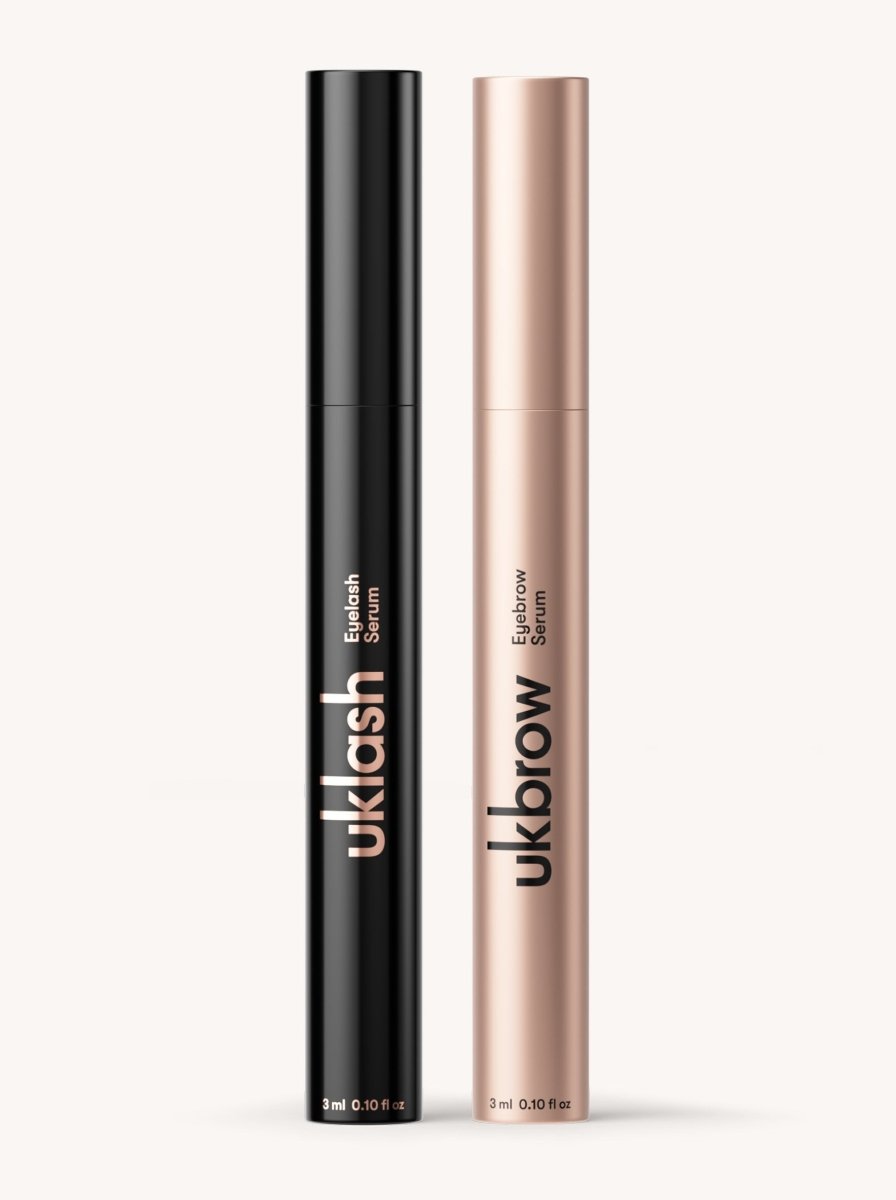
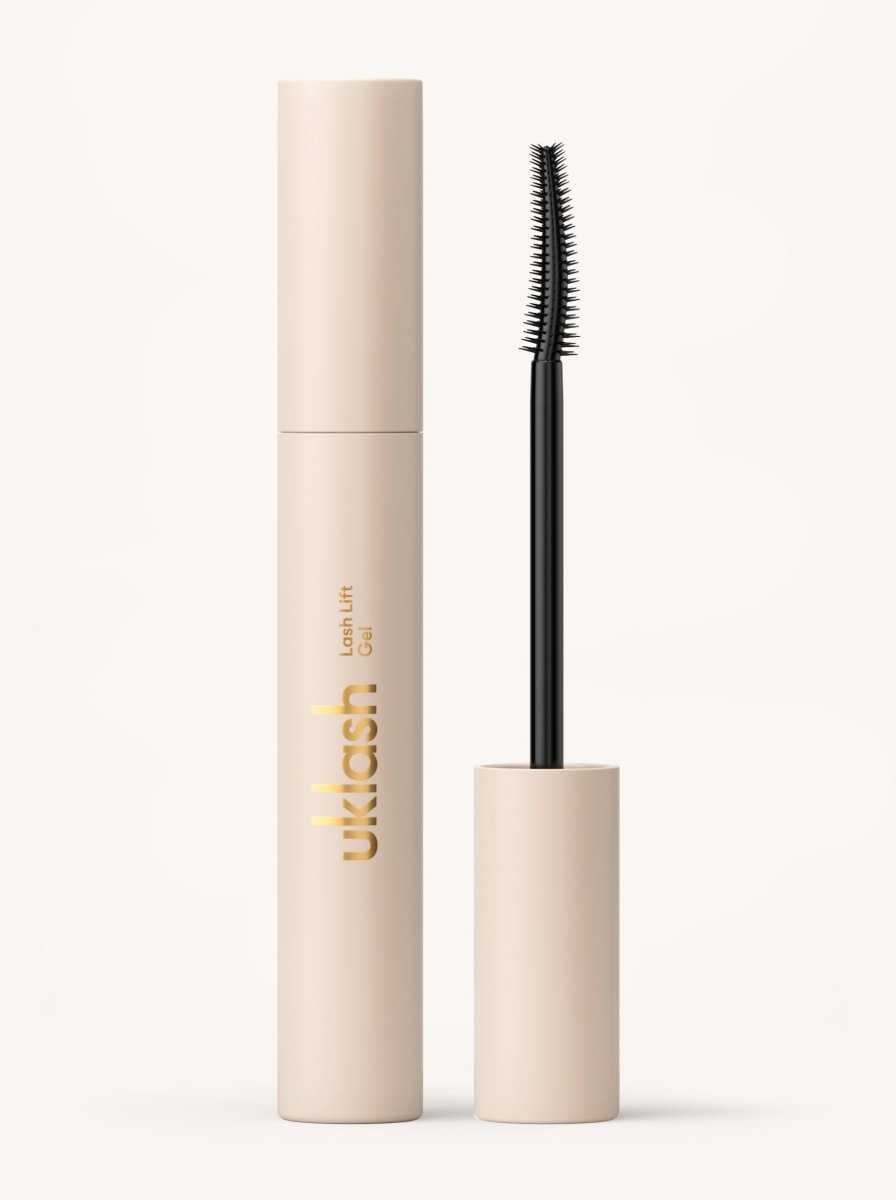
 The Lift & Grow SetFor instantly lifted lashes today and longer, fuller-looking lashes over time.
€71,60€64,44
They call it ‘The Change’, but menopause doesn’t change who you are. It can, however, change a few things you’ve grown used to, including your hair.
October is Menopause Awareness Month, and at UKLASH we’re recognising it by helping to change the way we talk about this chapter of life. That means having open, informed conversations about what women are actually experiencing, from the expected to the things nobody thought to mention.
Hair thinning and hair loss are recognised symptoms of perimenopause and menopause, but knowing that doesn’t necessarily make seeing more hair in your brush or a change in your parting any less confusing.
So, we looked at the questions women are asking about their hair during midlife and answered some of the most common ones. Here it goes…
Why Is My Hair Getting Thinner During Menopause?
Hormonal changes can play a part. During the menopausal transition, levels of hormones, including oestrogen change. These shifts can affect the hair follicle and its normal growth cycle. Genetics, age and other factors can also influence what happens to your hair.
One common cause of hair thinning in women is female pattern hair loss, which often becomes noticeable during midlife. Rather than causing complete baldness, it typically appears as gradual thinning across the top of the scalp or a widening parting.
The important bit is to remember that not all hair loss during midlife has the same cause, so it’s worth resisting the temptation to automatically put every change down to menopause.
Is It Normal To Lose More Hair During Perimenopause?
Hair thinning or hair loss can happen during both perimenopause and menopause.
Some shedding is completely normal. We naturally lose around 50 to 100 hairs each day as part of the hair growth cycle.
What matters is what’s normal for you. If your shower drain suddenly looks very different, your ponytail feels noticeably smaller, your parting is getting wider or you can see more of your scalp than you used to, it’s worth paying attention to the change.
Why Does My Ponytail Feel So Much Thinner?
This came up again and again among women talking about menopausal hair changes. You might not notice individual hairs becoming finer, but you do notice when the hair tie suddenly needs another loop.
Female pattern hair loss can cause individual follicles to produce progressively finer and shorter hairs, which can make overall density feel different. Increased shedding can also contribute to that feeling of having ‘less’ hair.
Taking occasional photos of your parting, hairline or ponytail can be a useful way to monitor changes over time without inspecting your hair every morning. Set an alarm on your phone once a week to take some photos and monitor any developments. If you ever need to seek advice from a professional, these can be helpful for them too to see how your hair has progressed.
Why Has My Hair Texture Changed Too?
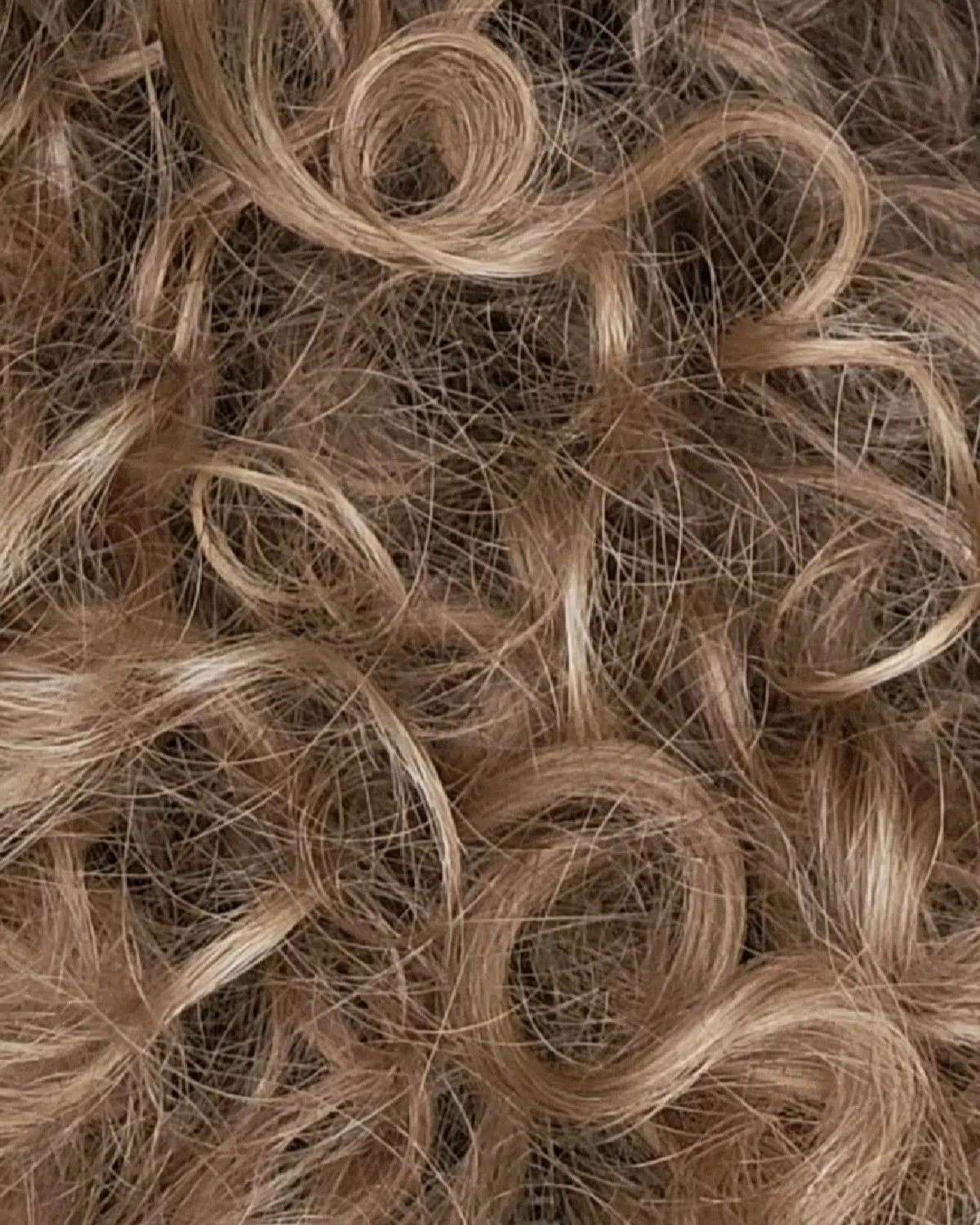
Straight hair turning wavy. Curls becoming less defined. Hair suddenly feeling frizzier, drier or more difficult to manage.
For many women, thinning isn’t the only hair change they notice during midlife.
Your hair can also change naturally with age, while hormonal changes during menopause may influence the hair and scalp. Add colouring, heat styling, environmental exposure and everyday damage into the mix, and the hair you have now may behave differently from the hair you knew ten years ago.
Instead of battling your new texture with more heat or aggressive styling, try adjusting your routine to what your hair needs now. Look to our article on hairstyles to prevent breakage or our favourite hairstyles of the season for inspiration.
Is My Hair Shedding Or Breaking?
They can look similar, but they’re not quite the same thing. Shedding happens when a whole strand releases from the follicle as part of the hair cycle.
Breakage happens along the hair shaft. Hair may look shorter, feel brittle or have more uneven lengths and split ends. And yes, you can experience both at once.
Being gentler with your existing hair can help minimise unnecessary breakage. Use a gentle shampoo, condition after washing and limit excessive heat and harsh chemical treatments where possible.
Will My Hair Grow Back After Menopause?
There isn’t one answer that applies to everyone because it depends on why your hair is thinning.
Some forms of increased shedding can improve once the underlying trigger is addressed. Female pattern hair loss, however, is a progressive condition, which is why getting the right diagnosis sooner rather than later can be helpful.
Hair also grows slowly. Whether you’re changing your routine or following treatment recommended by a healthcare professional, visible changes generally take time.
This is one area where consistency beats constantly switching to the next thing promising overnight results. Integrate proactive products into your routine, keep consistent for at least 12 weeks to see the effects and if you have noticed any positive changes.
Does HRT Help With Menopausal Hair Loss?
HRT may be prescribed to help manage a range of menopause symptoms, but it shouldn’t be viewed as a specific hair-loss treatment. Current evidence does not support using oestrogen replacement specifically to treat hair loss in perimenopausal or menopausal women.
If you’re considering HRT, that conversation should be based on your wider symptoms, medical history and individual circumstances with a qualified healthcare professional.
Do Hair Vitamins And Supplements Actually Help?
They can have a place in your routine, particularly if you have a nutritional deficiency. Getting enough of the nutrients your body needs is important for normal, healthy hair, and supplementation may be necessary if a healthcare professional identifies that you’re deficient in something.
Our UKHAIR by UKLASH Advanced Hair Supplements are designed to support healthy hair from within, providing a simple addition to your daily routine alongside your topical haircare.
If you’re experiencing a sudden or significant change in your hair, it’s always worth speaking to your GP or healthcare professional too. They can help you understand whether there could be an underlying cause and advise whether testing for nutritional deficiencies is appropriate.

What Can I Actually Do To Support My Hair During Menopause?
Start with the basics: understand what’s causing the change and treat the hair you have gently.
A simple routine can help support healthier-looking hair and minimise avoidable damage. Avoid pulling hair into very tight styles, reduce excessive heat where possible and use conditioning products to help keep fragile strands moisturised (our UKHAIR Repair Mask is a great option to add once weekly into your routine, known for its keratin-focused bond-building technology).
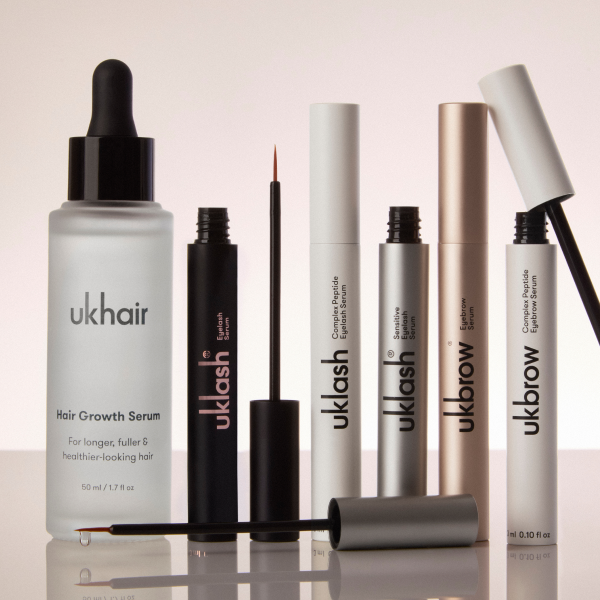
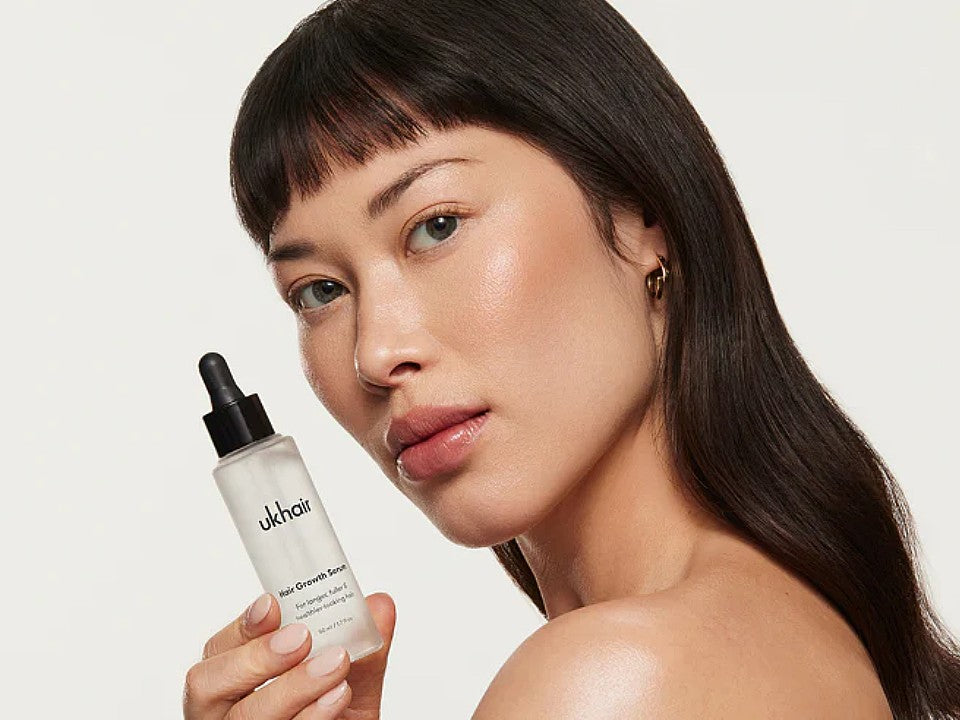
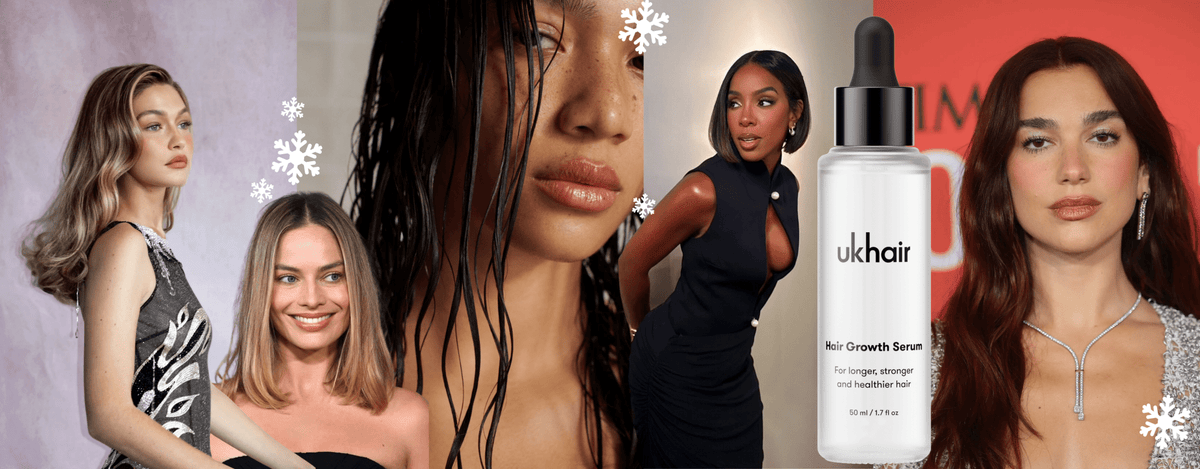
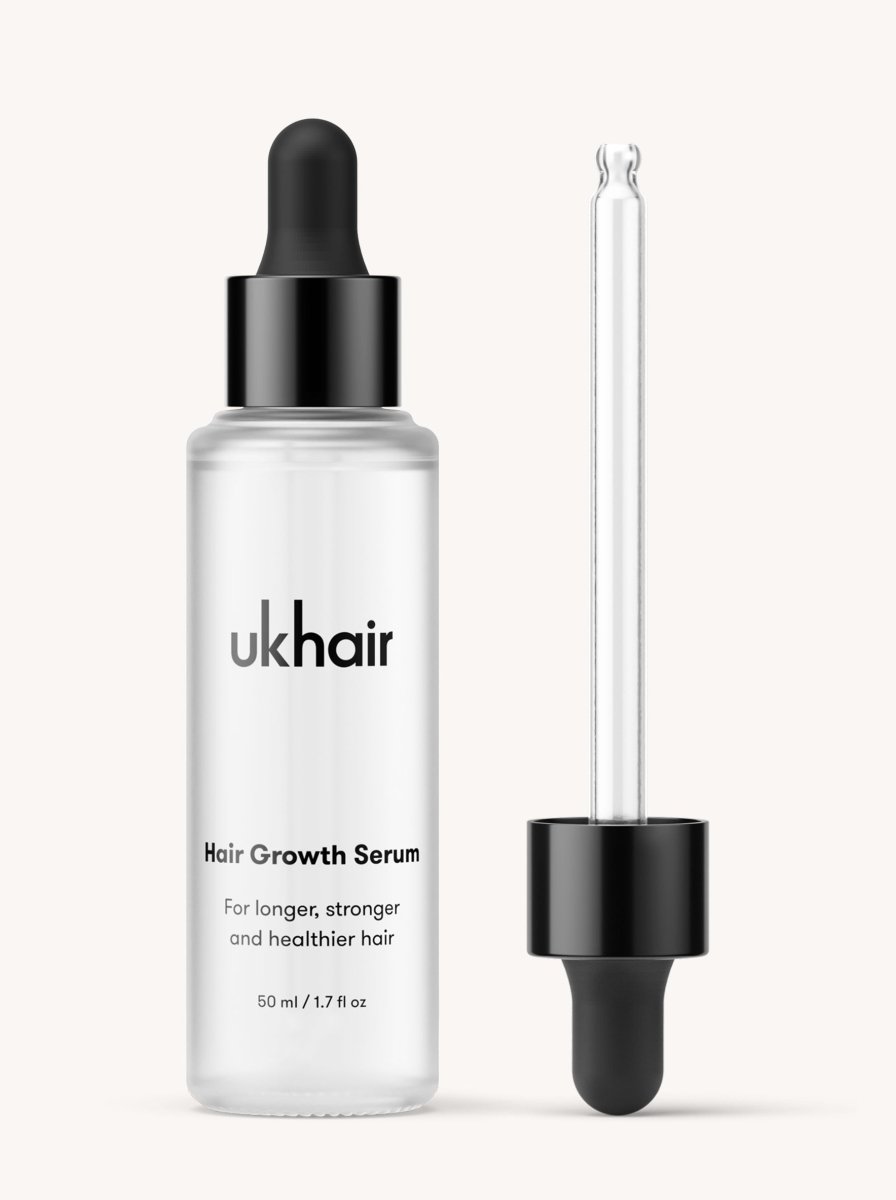
For those looking to target hair growth specifically, our UKHAIR by UKLASH Hair Growth Serum contains AnaGain™ (Pea Sprout Extract), Turmeric and Lemon Fruit Water to support the scalp and healthier-looking hair growth. In an ingredient panel test after three months, 85% noticed visible hair regrowth, 95% saw reduced hair loss and 80% experienced less breakage.*
Most importantly, be realistic about what haircare can and cannot do. A supportive routine can help care for your scalp and existing hair, but it isn’t a substitute for investigating unexplained or significant hair loss. In those cases, your best option is to seek advice from your local GP or Trichologist.

 9 min read / 1 October 2026Winter Hair Trends 2026: The Colours, Cuts and Styles We’re LovingWritten by Lauren Butler
 15 min read / 29 September 2026How To Grow Eyelashes: The Lash Growth Cycle ExplainedWritten by Sarah Parkes
 8 min read / 24 September 20263 Steps To The Perfect Brows At Home: Your DIY Brow ChecklistWritten by Lauren Butler
 8 min read / 22 September 2026How Long Does a Lash Lift Last? Master Lash Lift Aftercare At HomeWritten by Lauren Butler
 6 min read / 17 September 2026Nano Brows vs Microblading: Which Treatment Is Best for You?Written by Lauren Butler
 6 min read / 9 September 2026Pumpkin Spice Latte Season Has Begun: 5 Autumn Makeup Trends We’re Obsessing OverWritten by Lauren Butler
 7 min read / 2 September 2026Unboxing the Best Beauty Advent Calendars Actually Worth Your MoneyWritten by Lauren Butler
 6 min read / 25 August 2026Meet The Lash Lift Kit Made For Your 5 Minute Morning RoutineWritten by Lauren Butler


