


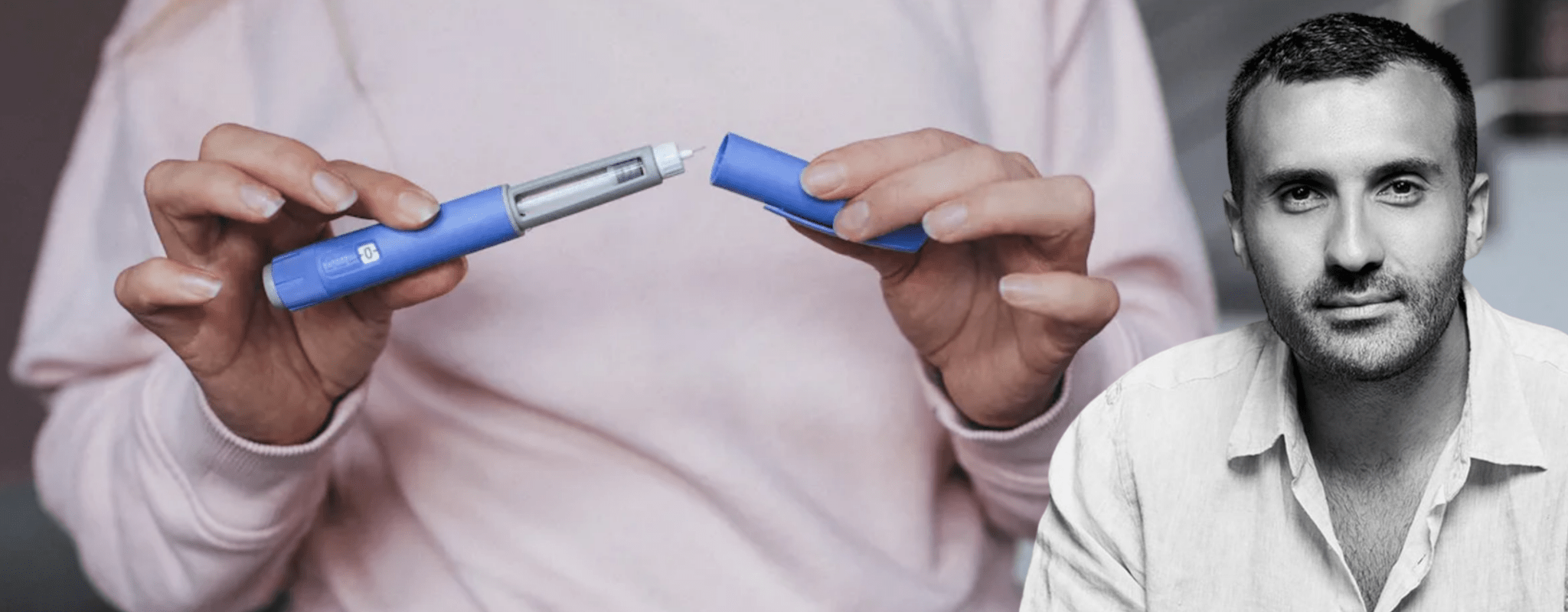
Nima Knows: Does GLP1 Cause Hair Loss?
 Lash Serum + Volume Boost Mascara SetOur fastest-acting serum + volumizing mascara formula
$83$66.40
Noticed more hair in your brush, shower drain or on your pillow since starting a GLP-1? You’re not alone, and it’s completely understandable if it’s left you feeling worried. Hair loss can feel deeply personal, especially when it appears during a time when your body is already going through change. One question we are hearing more from our community is, ‘Does GLP-1 cause hair loss?’
Jump To:
Does GLP1 Cause Hair Loss?Why Does Weight Loss Affect Hair?
When Does GLP1 Hair Loss Start?
Myth vs Fact: GLP1 and Hair Loss
The honest answer is, we are still learning. Current evidence suggests there may be a link between GLP-1 medications and hair loss, particularly with semaglutide (Wegovy) and tirzepatide (Mounjaro), but researchers have not proven that the medication itself directly causes hair loss. Rapid weight loss is thought to be one of the most likely triggers, which we’re going to dive into here.
Does GLP1 Cause Hair Loss?
Possibly, but not always directly.
GLP-1 medications work by affecting appetite, digestion and blood sugar regulation. For many people, this can lead to significant weight loss. The hair loss conversation usually starts there.
A 2026 review found that reports of hair loss have been seen across multiple studies and databases, with the strongest evidence currently linked to semaglutide (Wegovy) and tirzepatide (Mounjaro). However, the review also makes an important point: the cause has not been established. In other words, we cannot say for certain that GLP-1 medication directly damages hair follicles. What we can say is that big changes in the body can affect the hair cycle.
Why Does Weight Loss Affect Hair?
Many people assume the medication itself is damaging their hair. In reality, the body is often responding to the changes that come with significant weight loss.
-
Your body prioritises what matters most.
Hair is important to us, but to your body it’s not considered essential for survival.
When you’re eating less, losing weight quickly or recovering from a period of physical stress, your body directs energy and nutrients towards vital organs and processes first. Hair growth can temporarily take a back seat. It’s a completely normal response, even if it feels frustrating. -
Your nutrient intake may change.
GLP-1 medications can reduce appetite, meaning many people naturally eat smaller portions.
While this doesn’t mean everyone becomes deficient, eating less can sometimes mean you’re getting less of the nutrients that support healthy hair growth, including:- Protein
- Iron
- Zinc
- Vitamin D
- B vitamins
That’s why it’s important to prioritise balanced meals and speak to your healthcare provider if you’re concerned about your nutrition while losing weight.
-
Hair grows in cycles.
Hair doesn’t all grow at the same time. Each strand moves through a natural cycle of growing, resting and shedding. When your body experiences a significant change, such as rapid weight loss, more hairs than usual can move into the resting phase at once. This is known as telogen effluvium, a common type of temporary hair shedding. Because of the way the hair cycle works, shedding usually doesn’t happen immediately. Instead, it often appears a few months after the trigger, which is why people are sometimes surprised when their hair starts shedding long after they’ve started seeing results on the scales.
When Does GLP1 Hair Loss Start?
Hair shedding doesn’t usually begin the week you start taking a GLP-1 medication.
If the shedding is linked to rapid weight loss or telogen effluvium, the timeline often looks something like this:
Month 1: Your body begins adapting to weight loss and changes in nutrition.
Month 2-3: More hair follicles move into their resting phase, although you probably won’t notice any visible shedding yet.
Month 3-4: Shedding often becomes noticeable. You may see more hair in your brush, shower or on your pillow, or notice your ponytail feels thinner.
Month 4+: As your body adjusts and the trigger settles, the shedding usually slows and new hairs begin growing again.
Everyone’s experience is different, but for most people, this type of hair shedding is temporary rather than permanent.
Myth vs Fact: GLP1 and Hair Loss
Myth: GLP-1 medications directly damage hair follicles.
Fact: Current evidence doesn’t show this. Researchers believe rapid weight loss and the changes that come with it are more likely to explain why some people experience increased shedding.
Myth: Everyone taking a GLP-1 will lose their hair.
Fact: Not at all. Many people take GLP-1 medications without noticing any change in their hair.
Myth: If your hair starts shedding, it won’t grow back.
Fact: Hair shedding linked to telogen effluvium is usually temporary, and many people see their hair cycle return to normal over time.
Myth: You should stop taking your medication if your hair starts shedding.
Fact: Never stop or change prescribed medication without speaking to your healthcare provider. They can help determine what’s causing the shedding and whether any changes are needed.
Can You Prevent Hair Loss While Taking GLP1?
There’s no guaranteed way to prevent hair shedding, particularly if your body is adjusting to significant weight loss. However, there are steps you can take to support your hair throughout the journey.
- Prioritise Protein. Hair is made primarily of protein, so aim to include a source with each meal where possible.
- Avoid Crash Dieting. If your healthcare provider agrees, gradual, steady weight loss may place less stress on the hair cycle than rapid changes.
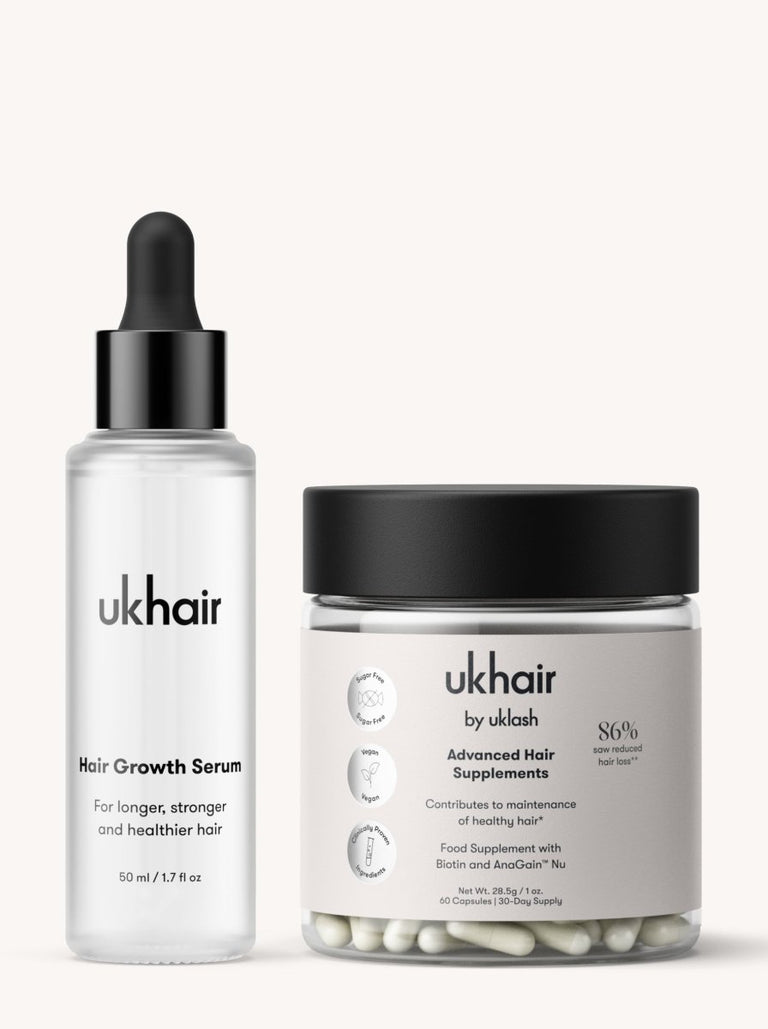
- Support Your Nutrition. A balanced diet is key. If you’re worried you’re not getting enough nutrients, try taking a well rounded supplement targeted to help hair growth, like our UKHAIR Advanced Hair Supplements
- Be Gentle With Your Hair. Reduce excessive heat styling, avoid tight hairstyles and choose products that help care for your strands without causing unnecessary stress. To learn more about hairstyles to reduce breakage, head to our article here.
-
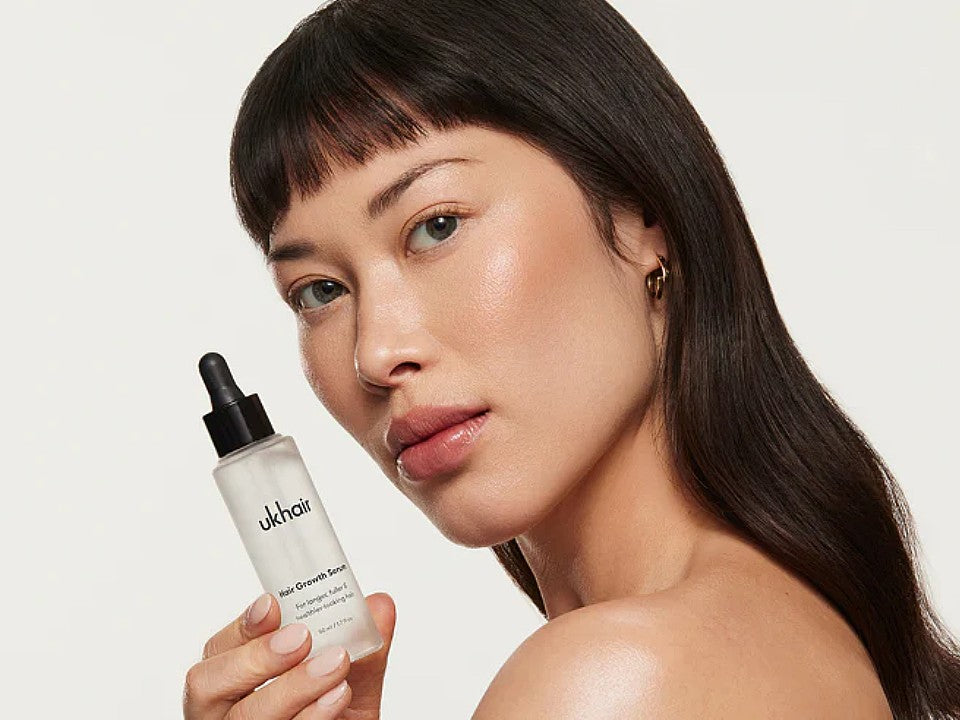
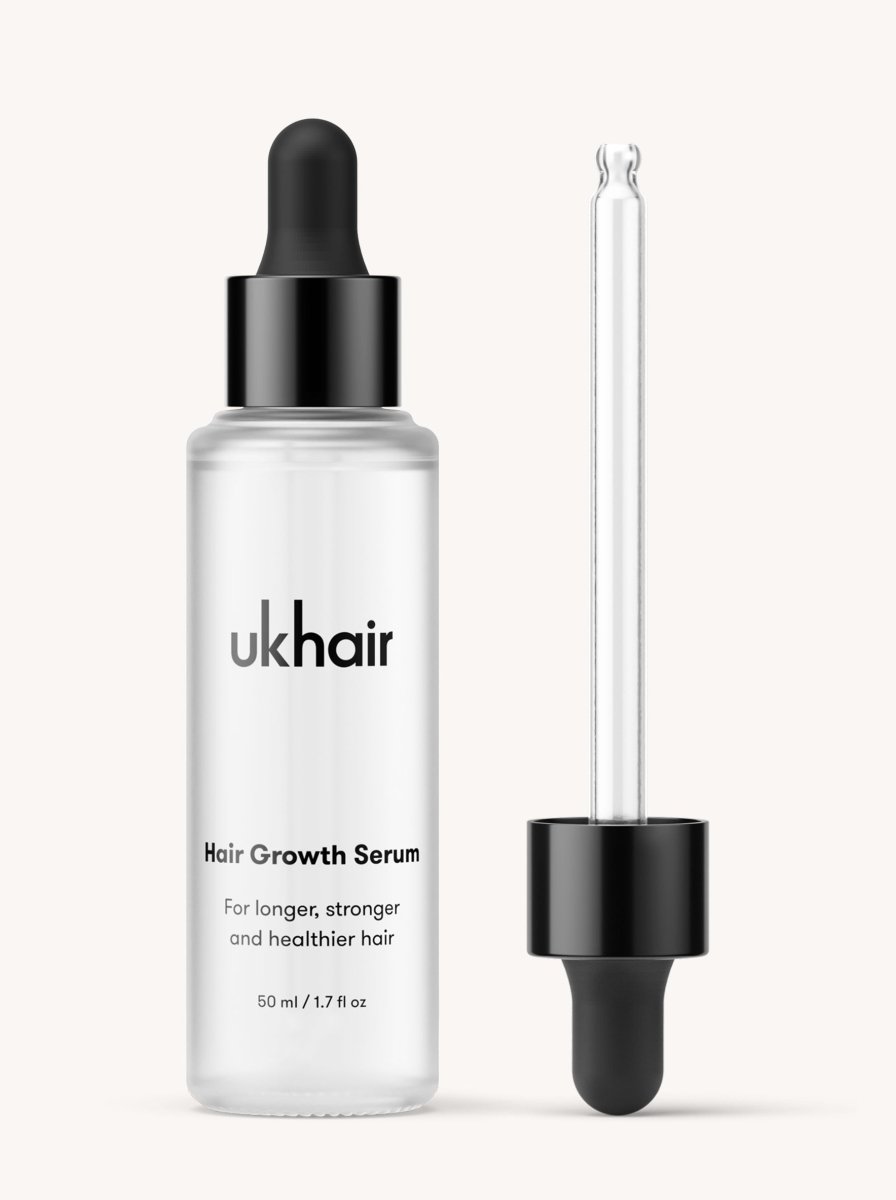
Stay Consistent With Your Routine. Healthy-looking hair is built over time. Alongside looking after your overall health, a consistent routine with products like the UKHAIR Hair Growth Shampoo, Conditioner and Hair Growth Serum can help support the appearance of healthier-looking, stronger-feeling hair while your body adjusts.
While we still need more research to fully understand the relationship between GLP-1 medications and hair loss, the evidence we have today suggests it’s often the changes happening within the body, not the medication itself, that influence the hair growth cycle.
The most important thing you can do is support your body as it adapts. Focus on nourishing yourself, be patient with your hair, and stick to a gentle, consistent routine. If your shedding feels excessive, lasts longer than expected or you’re worried about any other symptoms, don’t hesitate to speak to your healthcare provider.
Your hair, like the rest of your body, needs time to adjust. Give it the care it deserves, and remember, every growth journey looks a little different.

 9 min read / 1 October 2026Winter Hair Trends 2026: The Colours, Cuts and Styles We’re LovingWritten by Lauren Butler
 15 min read / 29 September 2026How To Grow Eyelashes: The Lash Growth Cycle ExplainedWritten by Sarah Parkes
 8 min read / 24 September 20263 Steps To The Perfect Brows At Home: Your DIY Brow ChecklistWritten by Lauren Butler
 8 min read / 22 September 2026How Long Does a Lash Lift Last? Master Lash Lift Aftercare At HomeWritten by Lauren Butler
 6 min read / 17 September 2026Nano Brows vs Microblading: Which Treatment Is Best for You?Written by Lauren Butler
 6 min read / 9 September 2026Pumpkin Spice Latte Season Has Begun: 5 Autumn Makeup Trends We’re Obsessing OverWritten by Lauren Butler
 7 min read / 2 September 2026Unboxing the Best Beauty Advent Calendars Actually Worth Your MoneyWritten by Lauren Butler
 6 min read / 25 August 2026Meet The Lash Lift Kit Made For Your 5 Minute Morning RoutineWritten by Lauren Butler


