




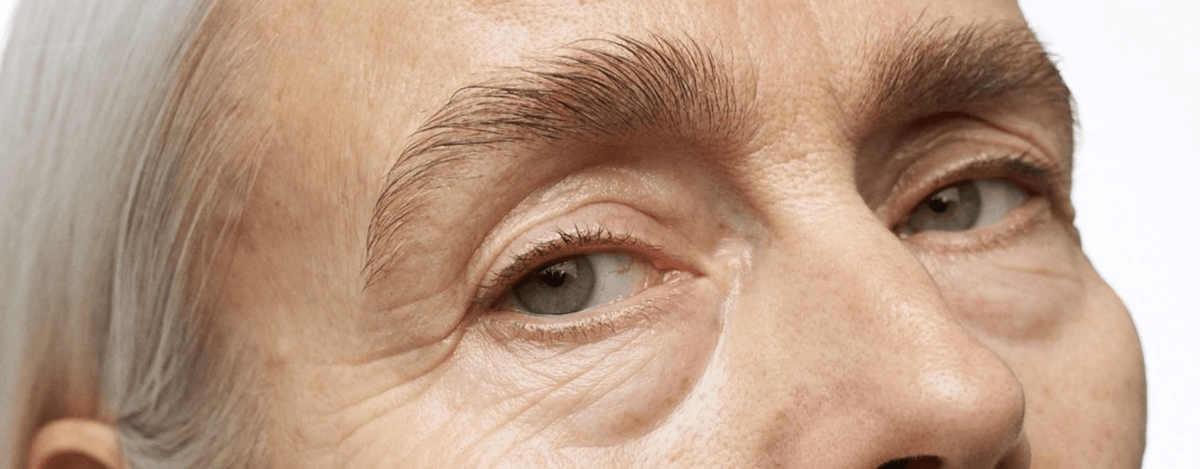
Why Do Eyelashes Fall Out During Menopause? Causes and Tips
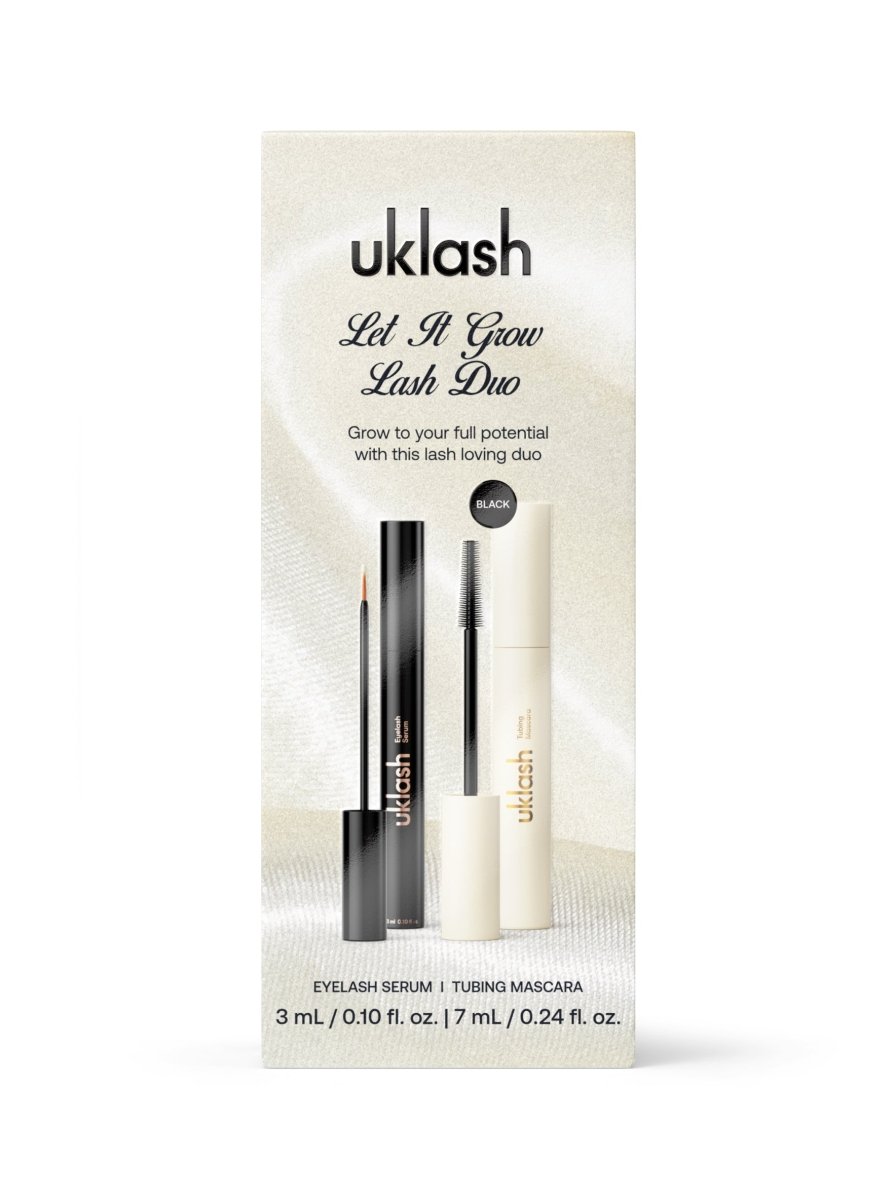

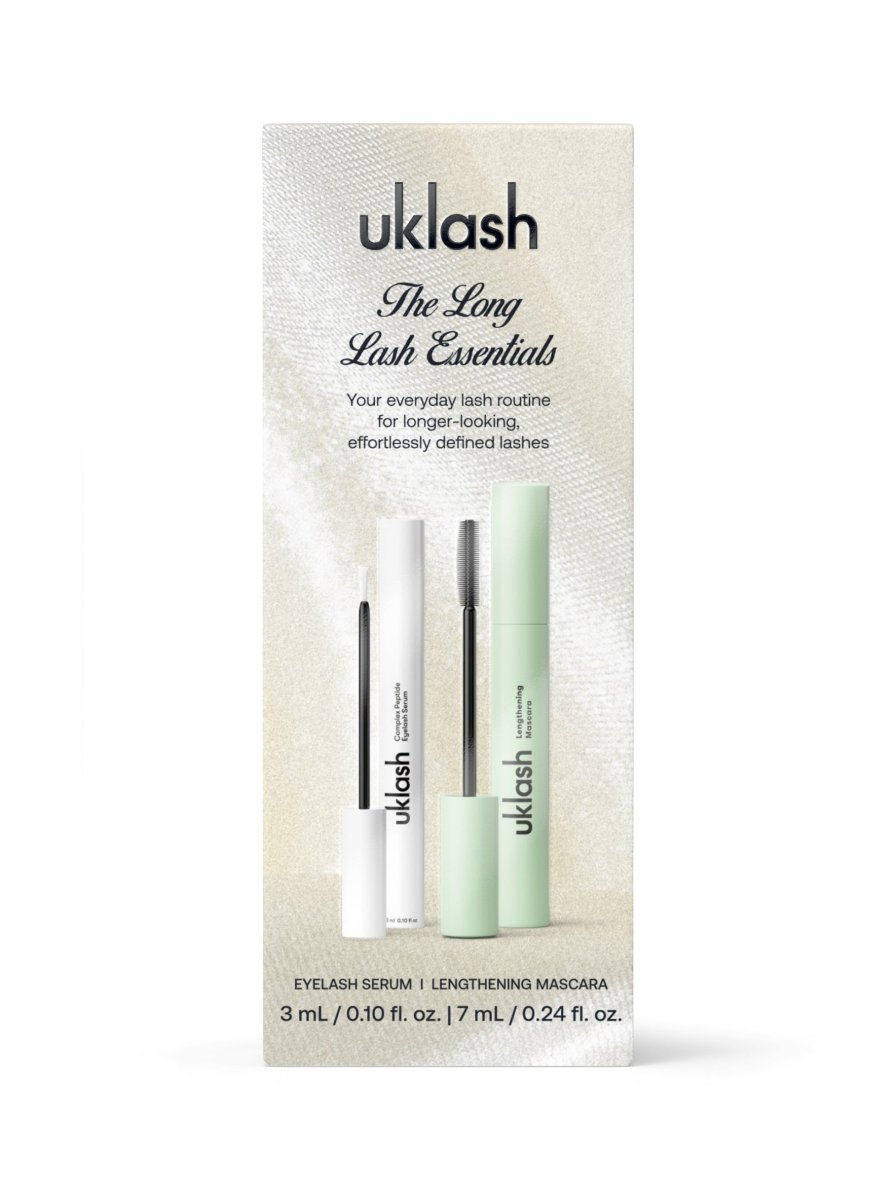 The Long Lash EssentialsYour everyday lash routine for longer-looking, effortlessly defined lashes
$108$80
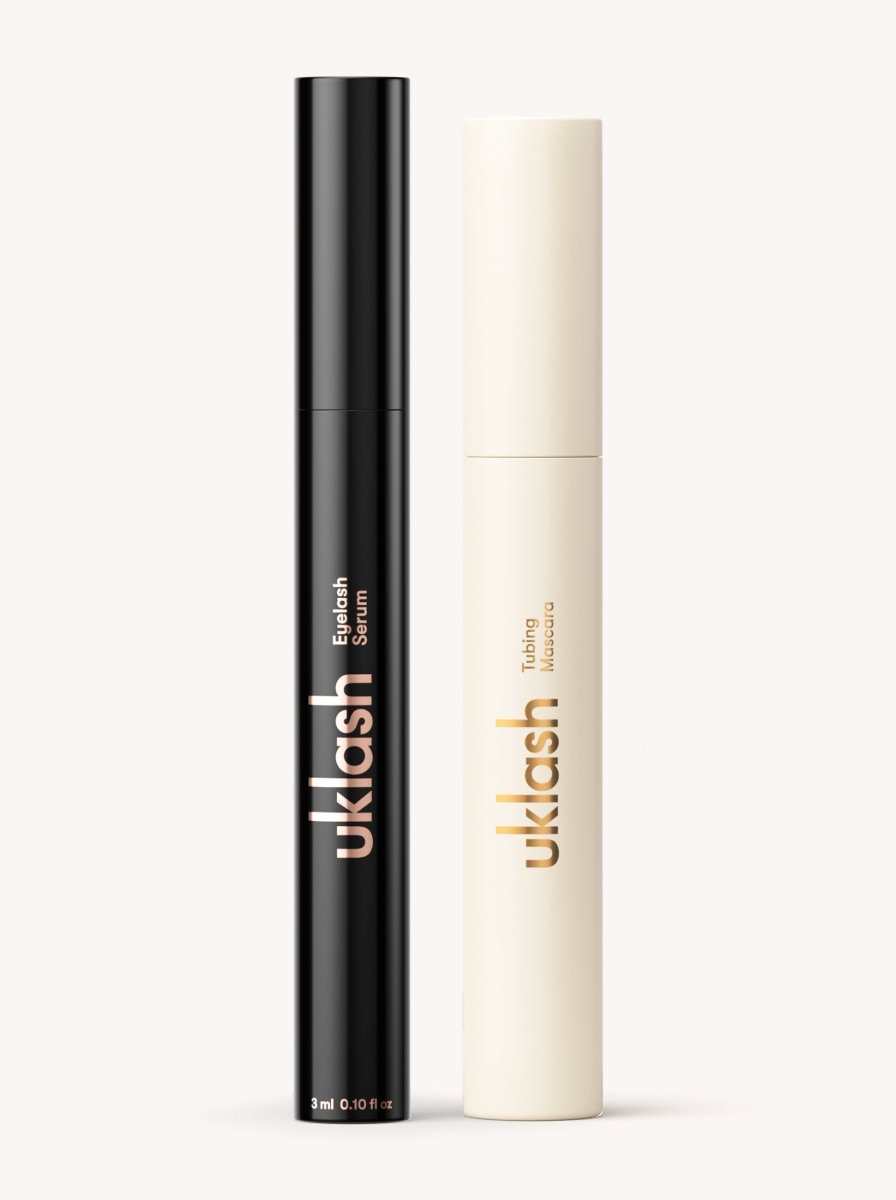
 The Lift & Grow SetFor instantly lifted lashes today and longer, fuller-looking lashes over time.
$112$100.80

Hot flushes, changes in your skin, a new relationship with your hair. Menopause has a few surprises up its sleeve. But one change you might not have expected? Your eyelashes.
If you’ve noticed your lashes looking a little shorter, finer or less full than they used to, you might be wondering whether menopause has something to do with it.
So, can menopause cause your eyelashes to fall out? The short answer is that hormonal changes during perimenopause and menopause may contribute to changes in hair growth, including the appearance of your lashes. However, natural ageing, lifestyle factors and certain health conditions can also play a part.
The good news is that understanding what’s happening is the first step towards finding a lash-care routine that works for you, and to help your natural lashes thrive through every age and every stage.
At UKLASH, we believe beauty is something that grows with you. So, let’s explore why your eyelashes might be changing during menopause, what happens to their natural growth cycle and how you can keep them looking their best...
Why Are My Eyelashes Falling Out During Menopause?

First things first, your eyelashes naturally shed. Just like the hair on your head, each lash follows its own growth cycle, eventually falling out to make way for a new one.
But if you’ve started noticing more lashes on your cotton pad or your lash line isn’t looking quite as full, there could be a few reasons behind it.
1. Hormonal Changes Can Affect Hair Growth
Hormonal fluctuations are another possible factor. During perimenopause and menopause, oestrogen levels change and decline. These changes can affect hair growth and texture, and research has linked menopause with changes in the hair growth cycle and reduced hair density.
However, the evidence specifically linking menopause to eyelash loss is more limited, so hormonal changes may be one contributing factor rather than the only explanation.
2. Your Eyelashes Naturally Change With Age
Here’s something you might not know: your lashes can change as you get older, just like the hair on your head.
Over time, hair growth patterns can shift, and individual lashes may become finer or appear less dense.
That doesn’t mean thinning eyelashes are inevitable, though. Everyone’s hair growth journey is different, and noticeable lash loss shouldn’t automatically be put down to ageing.
Common Eye Problems Linked to Menopause
Menopause can bring changes that go beyond hot flushes, night sweats and disrupted sleep. Fluctuating hormone levels may also affect your eyes, causing symptoms such as dryness, irritation and discomfort. In fact, research shared by Eye Health UK found that 86% of women were unaware of the connection between menopause and eye health. If you're noticing changes around your eyes during perimenopause or menopause, here's what to look out for and how to care for them.
1. Dry Eye Syndrome

Dry eye is one of the eye conditions associated with menopause. Hormonal changes can affect the quantity and quality of your tears, making it harder for your eyes to stay comfortably lubricated. You may notice dryness, a gritty sensation, burning, redness or increased sensitivity to light.
If your eyes feel dry or irritated, an optician can advise on suitable treatments, including lubricating eye drops. Persistent symptoms should be assessed, as dry eye can have several causes and may sometimes occur alongside eyelid conditions such as blepharitis. If you experience eye pain or a sudden change in vision, seek urgent medical advice.
2. Stress and Wellbeing
Perimenopause and menopause can be physically and emotionally demanding, particularly when you're also juggling work, family responsibilities and changes to your routine. Although stress isn't a direct explanation for every case of eye or eyelash problems, looking after your overall wellbeing is still important. Try making time for activities that help you unwind, whether that's going for a walk, reading a book or enjoying a relaxing skincare routine.
If you're experiencing persistent eye strain, fatigue or headaches, don't automatically put them down to stress or menopause. An optician or GP can help you work out what's causing your symptoms.
3. Nutrition and Eyelash Health
A balanced diet supports your overall health, including the normal growth and maintenance of your hair. Nutrients such as protein, iron, zinc and vitamins play important roles in healthy hair, while deficiencies in certain nutrients can contribute to hair loss.
Try to include a variety of foods in your diet, such as eggs, fish, wholegrains, fruit, vegetables and other sources of protein. However, no single food or vitamin can guarantee longer or thicker eyelashes.
If you're considering a supplement, such as UKHAIR Advanced Hair Supplements, check the ingredients and recommended intake.
4. Underlying Medical Conditions
Menopause isn't the only possible explanation for thinning eyelashes. Conditions such as thyroid disorders and alopecia can also contribute to hair loss, and some may become more noticeable during midlife. Thyroid problems can cause symptoms that overlap with menopause, so it isn't always easy to tell what's behind a change in your hair.
If your eyelashes are becoming noticeably thinner, falling out in patches or continuing to shed without an obvious reason, speak to your GP. They can assess your symptoms and decide whether further investigation, such as thyroid testing, is appropriate. Identifying the underlying cause is an important first step towards finding the right treatment.
How to Prevent Eyelash Loss During Menopause
Although you can't prevent every cause of eyelash thinning during menopause, a few simple changes can help protect your natural lashes, reduce irritation and keep your lash line healthy. From gentle cleansing to taking a break from extensions, here's how to care for your lashes during this stage of life.
1. Keep Your Lashes Clean
Gentle eyelid hygiene can help remove make-up, oil and everyday build-up around your lash line. It's particularly important if you're prone to blepharitis, a condition that causes inflammation around the eyelids and can lead to redness, irritation and crusting around the lashes. Keeping your eyelids clean can help manage symptoms, although it won't prevent every cause of eyelash loss. Learn more about blepharitis.
For your everyday routine, choose a gentle cleanser designed for the eye area, such as UKLASH Micellar Water. Its micellar formula is designed to cleanse the lashes and brows, helping you remove daily build-up without harsh scrubbing. Always follow the product instructions and avoid getting cleanser directly into your eyes.
2. Give False Lashes and Extensions a Break
If false lashes or extensions are a regular part of your beauty routine, consider taking a break if you're noticing thinning or breakage. Extensions can place tension on your natural lashes, while adhesives may trigger irritation or allergic reactions. Rubbing or pulling at extensions, particularly when removing them, can also damage natural lashes.
If you choose to wear extensions, use a reputable, hygienic salon and avoid pulling them off yourself. If you experience redness, swelling, itching or discomfort, stop using the product and seek advice from an eye-care professional. Choosing a gentler eye-make-up routine may help reduce unnecessary stress on your natural lashes.
3. Speak to Your GP About Medical Options
Hormone replacement therapy (HRT) can help manage certain menopause symptoms, including hot flushes, night sweats and sleep problems. Hormone Replacement Therapy, works to increase the levels of oestrogen in your body and therefore can help to regulate your hair and lash growth cycles back to what they once were, balancing out the Growth Phase and the Shedding Phase to reduce lash loss and improve hair texture.
If you're experiencing other menopause symptoms alongside hair changes, speak to your GP about whether HRT or another treatment might be suitable for you. They'll help you weigh up the potential benefits and risks based on your symptoms and medical history. You can find out more in the NHS guide to HRT.
4. Consider an Eyelash Serum
Choose Your Lash Serum


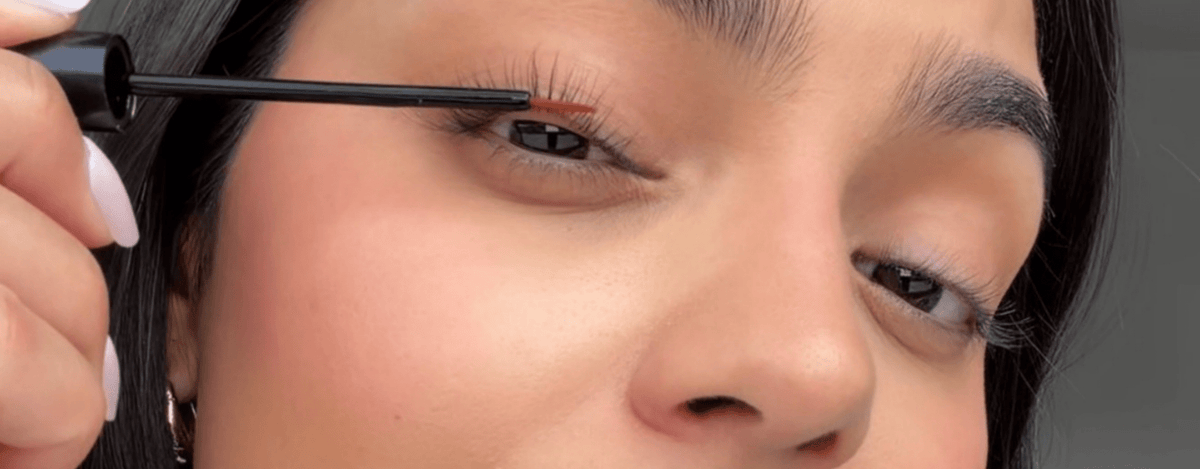
If you're looking to care for your lashes and improve their appearance, an eyelash serum could be another step in your beauty routine. UKLASH offers three options to suit different preferences:
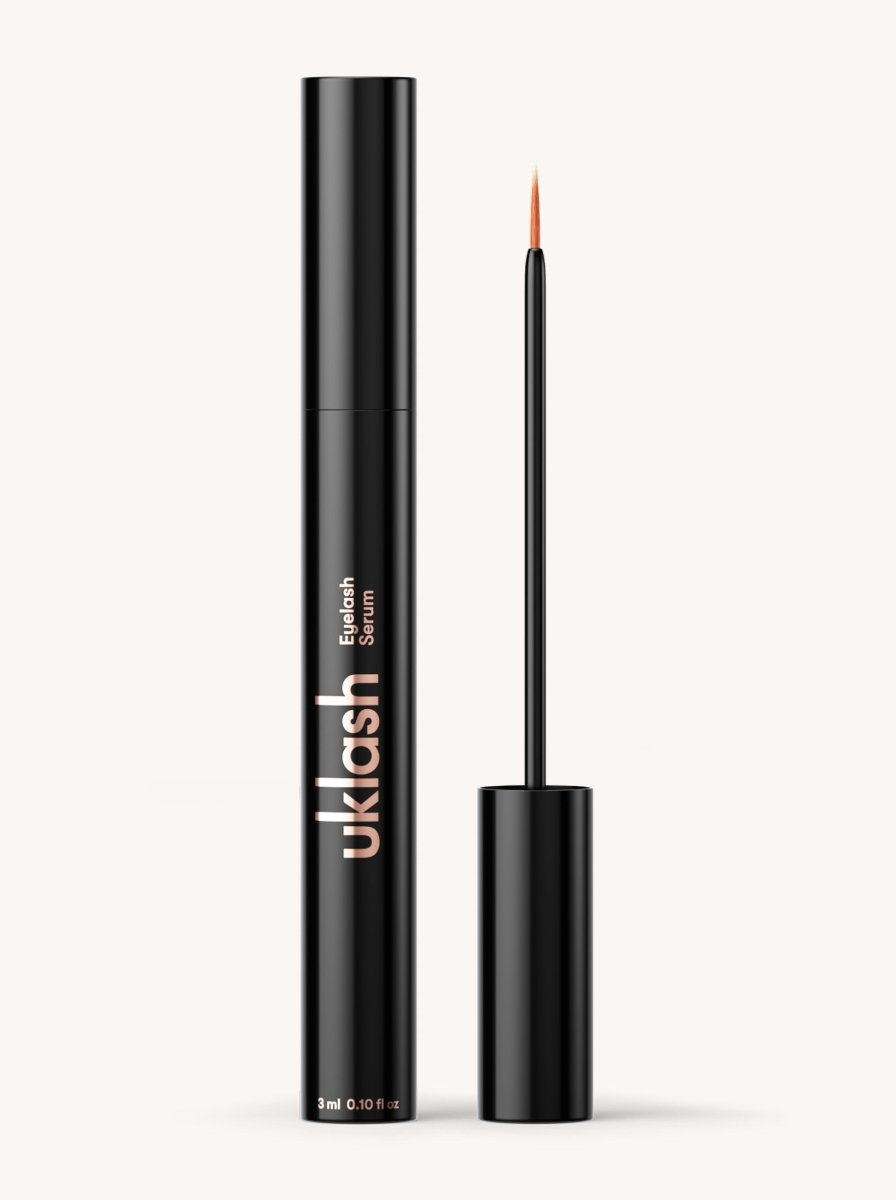
- UKLASH Eyelash Serum – an option for those looking to achieve longer- and fuller-looking lashes.
- UKLASH Complex Peptide Eyelash Serum – formulated with peptides for those looking to condition and care for their lashes.
- UKLASH Sensitive Eyelash Serum – an alternative designed for those who prefer a gentler approach.
Whichever serum you choose, follow the instructions carefully and check the ingredients before applying it near your eyes, particularly if you have sensitive skin or a history of eye irritation.
Looking After Your Lashes During Menopause
Noticing your eyelashes becoming thinner or falling out during menopause can be frustrating, but you're not alone. Hormonal changes and natural ageing may play a role, although eyelash loss can also be linked to other factors, including thyroid conditions, irritation and underlying health concerns.
The good news is that there are steps you can take to care for your natural lashes. From keeping your lash line clean and being gentle when removing eye make-up to choosing a suitable eyelash serum, small changes to your beauty routine can help keep your lashes looking their best. Explore the UKLASH eyelash serum range to find an option that suits your needs.
At UKLASH, we're here to help you care for your lashes through every age and every stage, because feeling good about yourself should never go out of style.

 6 min read / 28 October 20264 Eyelash Growth Myths Worth Leaving Behind (And What Actually Helps)Written by Sarah Parkes
 9 min read / 26 October 20264 Last-Minute Halloween Makeup Hacks You Can Do at Home Using What You Already HaveWritten by Lauren Butler
 15 min read / 29 September 2026How To Grow Eyelashes: The Lash Growth Cycle ExplainedWritten by Sarah Parkes
 6 min read / 24 August 2026What Are Ghost Lashes? Meet the Barely-There Lash TrendWritten by Lauren Butler
 9 min read / 16 July 2026Lash Lift Aftercare: 5 Signs Of a Lash Lift Gone WrongWritten by Sarah Parkes
 6 min read / 7 July 2026What Are Hybrid Lashes? Everything You Need to Know (And How to Get the Look Naturally)Written by Lauren Butler
 7 min read / 23 June 2026Here We Grow Again: A Simple 5-Step Beauty Routine For Every DecadeWritten by Lauren Butler
 5 min read / 10 June 20263 Easy Beauty Habits That Can Transform Your LashesWritten by Lauren Butler
