



Beyond Hot Flushes: 5 Things Our Menopause Panel Taught Us That We Didn’t Expect
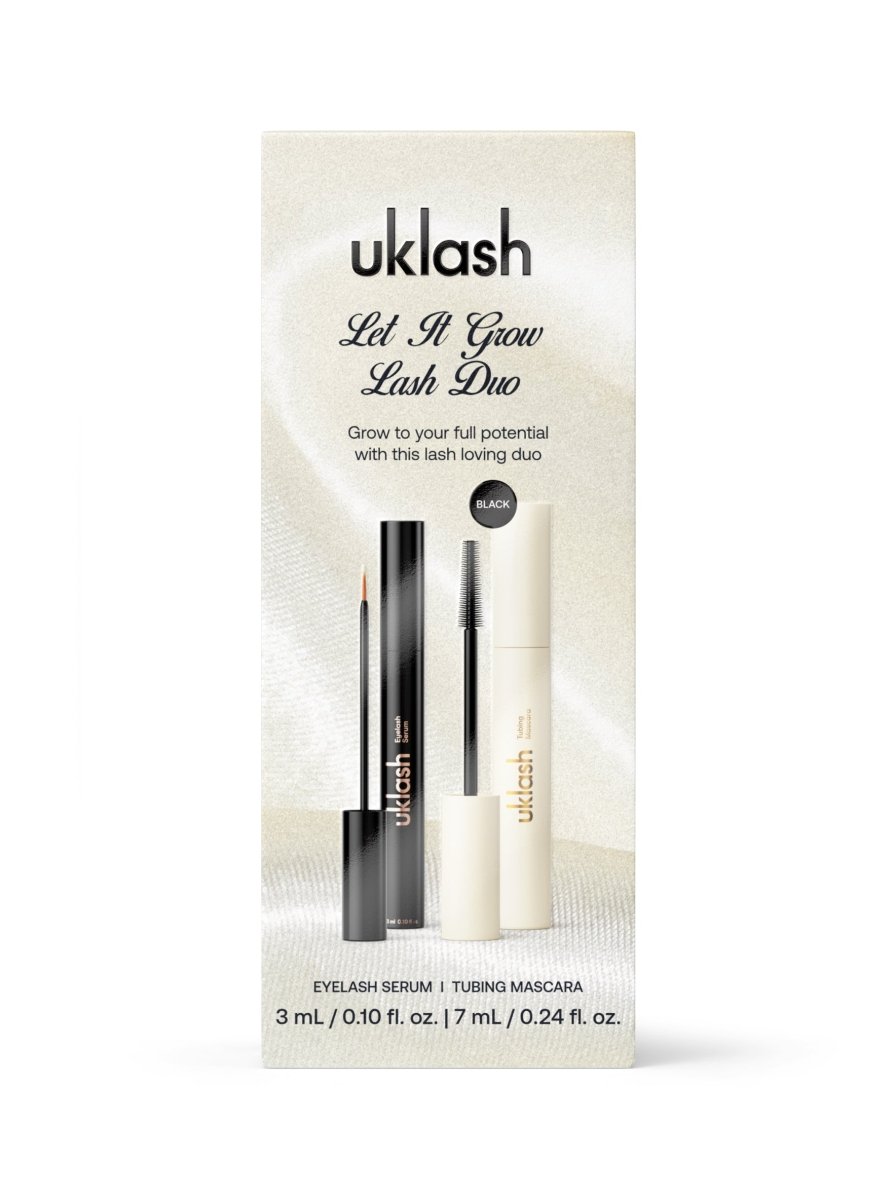

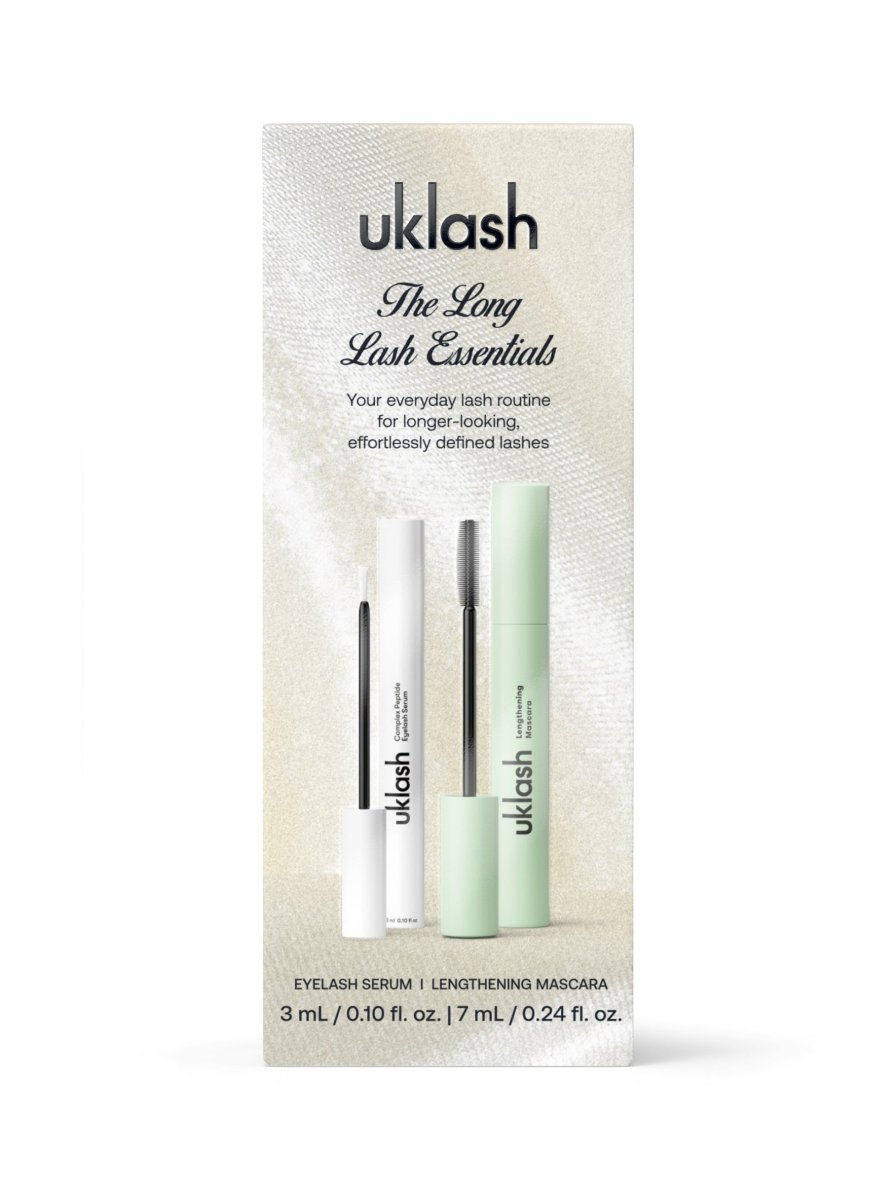 The Long Lash EssentialsYour everyday lash routine for longer-looking, effortlessly defined lashes
$77$57
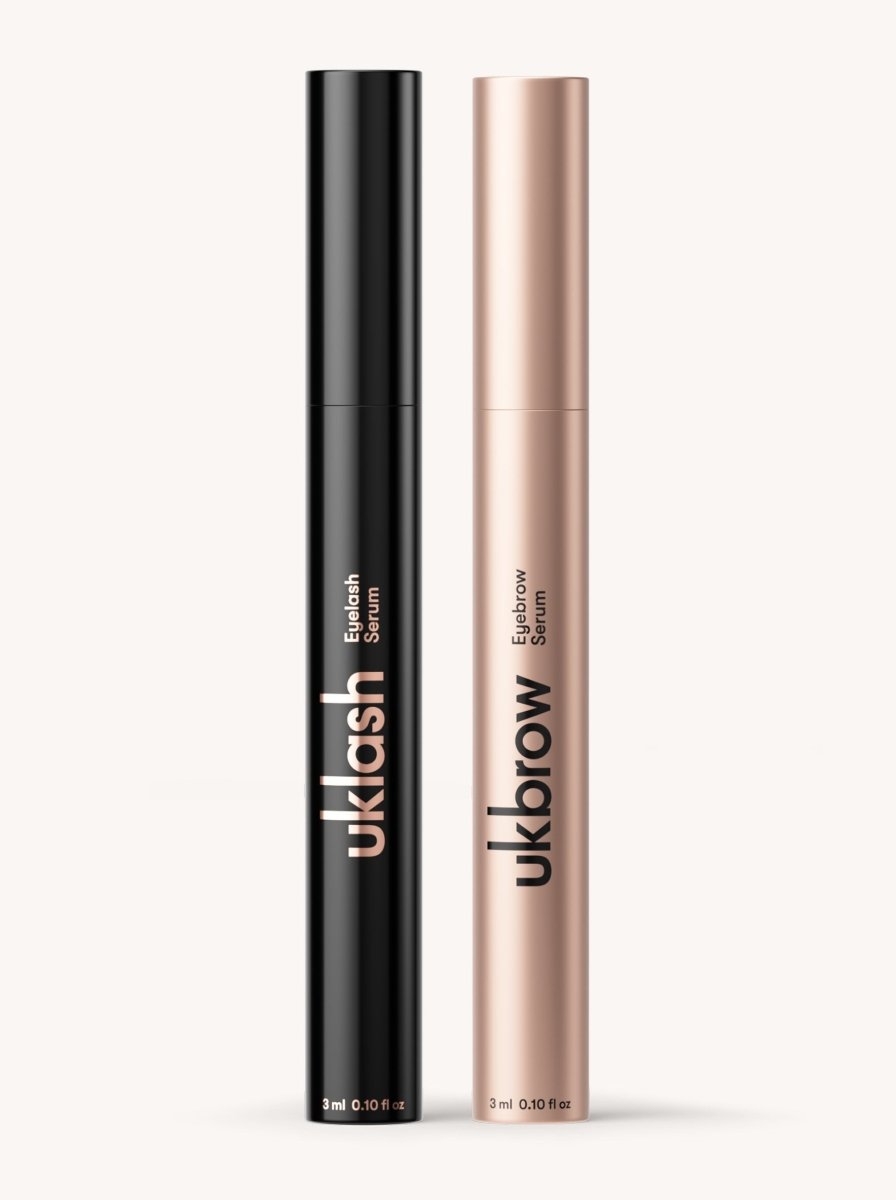
 The Lift & Grow SetFor instantly lifted lashes today and longer, fuller-looking lashes over time.
$83$74.50

We’ve all heard about the usual menopause symptoms of hot flushes, night sweats, brain fog. But what about the changes no one really prepares you for?
From hair that suddenly has a mind of its own to unexpected shifts in mood, menopause can affect our bodies in ways we might not immediately recognise. And with so much conflicting advice out there, knowing what’s actually helpful isn’t always easy.
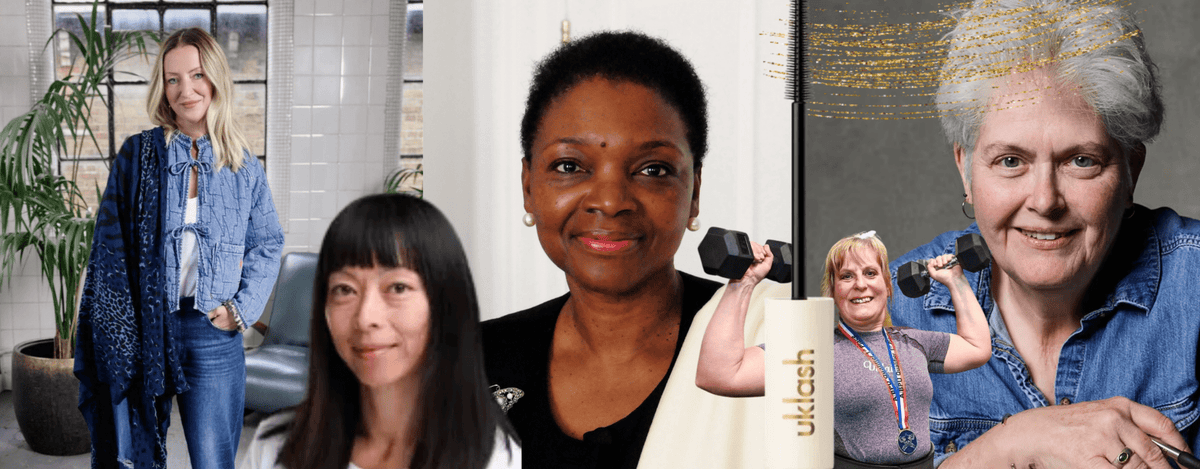
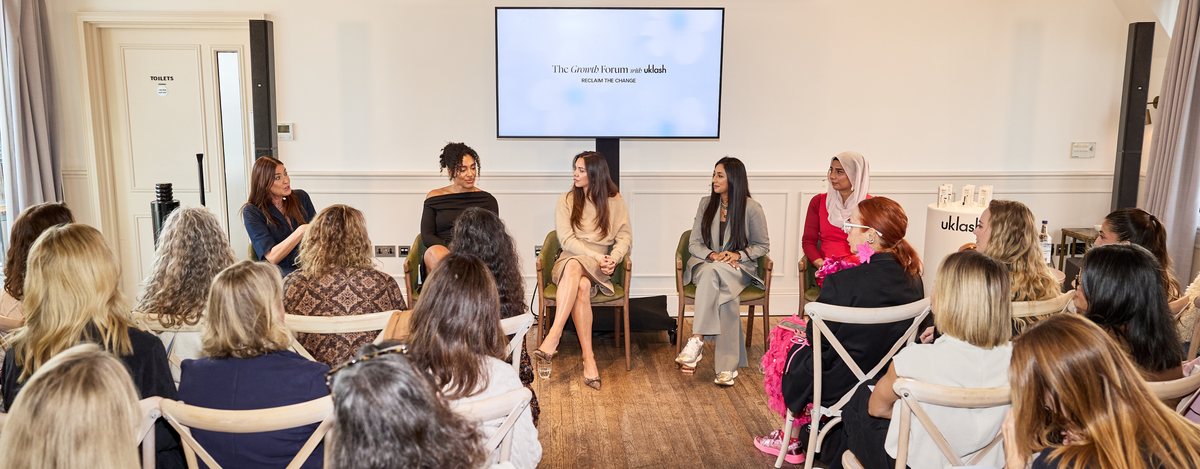
That’s why we brought together four leading experts for Reclaim the Change, our UKLASH menopause panel, led by the lovely Lisa Snowdon, where we spoke about what’s really happening to our bodies, and what we can do to feel more like ourselves.
Joining us were menopause specialist Dr Nighat Arif, doctor and registered nutritionist Dr Hazel Wallace, personal trainer and wellness coach Lavina Mehta MBE, and Trichologist and haircare expert Angela Onuoha.
The conversation covered everything from hormones and hair loss to nutrition, movement and finding confidence in midlife.
And while we learnt a lot, these are the five takeaways that really stayed with us and we want our community to know!
1. Menopause Doesn’t Always Happen When and How You Think It Might

When we hear the word menopause, most of us picture hot flushes, missed periods and perhaps a little brain fog. But for many women, the first signs look quite different.
Our host, Lisa Snowdon, shared how she began experiencing vertigo and panic attacks in her early 40s, without realising they could be connected to perimenopause.
So, what are the early perimenopause symptoms worth knowing about?

Alongside changes to your menstrual cycle, some women experience increased anxiety, disrupted sleep, difficulty concentrating, mood changes or joint discomfort.
Dr Nighat also discussed the relationship between hormonal fluctuations and ADHD, explaining how some women may find that existing challenges with concentration and emotional regulation become more noticeable during perimenopause.
And here’s something else worth knowing: menopause doesn’t always follow the same timeline.
While menopause typically occurs between 45 and 55, some women experience it earlier, whether naturally, following surgery or as a result of certain medical treatments.
What We Learnt: There’s no single menopause experience. Getting familiar with your body’s patterns and recognising when something feels different can help you have more informed conversations with your GP.
If you’re wondering whether your symptoms could be related to perimenopause, keeping a simple symptom diary is a good place to start.
2. Menopause Can Change Your Hair Texture, Not Just Its Thickness

We know menopause hair loss is a concern for many women. But something we found particularly interesting was Angela’s explanation of how hormonal changes can affect the scalp itself.
As oestrogen levels fluctuate and decline, some women notice changes in scalp oil production, leaving their hair feeling drier, frizzier or less manageable.
That means the hair you’ve known for years might suddenly start behaving differently. And it’s not always just about texture.
Hair fall in menopause and thinning hair during perimenopause can have several contributing factors, including hormonal changes, stress, illness, nutritional deficiencies and underlying hair-loss conditions.
Angela explained that it’s important to pay attention to how your hair is changing. A widening parting, noticeable recession around the hairline or persistent shedding are all reasons to speak to a healthcare professional, rather than assuming it’s simply part of getting older.
So, what actually helps? Angela’s advice was reassuringly simple: you don’t necessarily need to replace your entire haircare routine. Instead, focus on what your hair and scalp need now.
If your hair feels finer, lightweight volumising products can help create the appearance of fuller-looking hair without weighing it down. If dryness is your biggest concern, a nourishing conditioner and gentle styling routine can help improve manageability.
And if your scalp is feeling dry or uncomfortable, it’s worth paying attention to scalp health rather than focusing exclusively on your lengths.
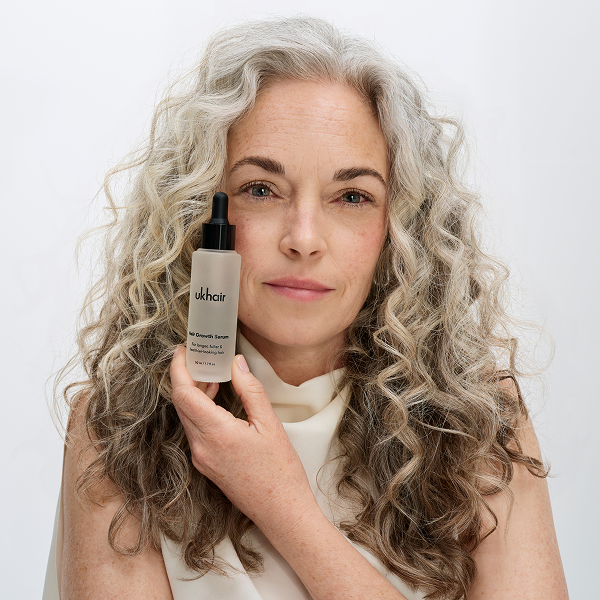
At UKLASH, we believe in high-performance formulas that fit into real routines. Our UKHAIR by UKLASH Hair Growth Serum can be incorporated into a consistent scalp-care routine without adding unnecessary fuss.
For more advice on finding the best hair treatment for dry hair, read our article here.
What We Learnt: Menopause hair changes aren’t one-size-fits-all. Understanding whether you’re dealing with dryness, breakage or genuine hair thinning is the first step towards finding the right support.
3. There’s No Such Thing As The Perfect Menopause Diet

If you’ve ever searched for the best menopause diet, you’ll know there’s no shortage of advice.
Eat more protein. Cut carbohydrates. Avoid sugar. Take supplements. It can feel like there’s a new rule every week.
But Dr Hazel Wallace shared something we found refreshingly reassuring: there isn’t one established menopause diet that everyone needs to follow.
Instead, she encouraged us to focus on nourishing our bodies and supporting the areas of health that become particularly important during midlife.
Here’s what to focus on:
- Protein - This can help to support muscle maintenance, which becomes increasingly important as we age. But you don’t need to completely change how you eat. Hazel suggested including protein with meals and making small additions to foods you already enjoy. She mentioned adding beans to a vegetable soup or cottage cheese to toast.
- Fibre - Fibre isn’t just good for digestion. It also supports cardiovascular health and helps manage cholesterol. Consider eating more oats, beans, lentils, nuts and seeds are all useful additions.
- Calcium - Let’s not forget your bones. Calcium and Vitamin D play important roles in maintaining bone health. Hazel encouraged women to check whether plant-based milk alternatives are fortified with calcium, as not all of them are.
- Vitamin D - She also discussed Vitamin D supplementation, particularly relevant in the UK, where sunlight is limited during the colder months.
What About Menopause Supplements?
Supplements can be useful in certain circumstances, but they aren’t a replacement for a balanced diet. Whether you’re considering Vitamin D, iron or supplements marketed for menopause symptoms, it’s worth checking what’s appropriate for your individual needs.
And when it comes to menopause supplements for hair thinning, remember that taking extra nutrients won’t necessarily improve hair growth unless a deficiency or another specific need is involved.
What We Learnt: You don’t need to eat less or follow a restrictive diet simply because you’re going through menopause.
4. Exercise Doesn’t Have To Mean An Hour In The Gym

We all know movement is good for us. But when you’re juggling work, family, disrupted sleep and everything else life throws your way, finding time for exercise isn’t always easy.
Enter one of our favourite discoveries from the panel: exercise snacking.
Lavina introduced us to the idea of incorporating short bursts of movement into everyday activities.
No gym membership required. Her suggestions included doing squats while waiting for the kettle to boil, balancing on one leg while brushing your teeth or taking short walking breaks throughout the day.
She even got the whole room moving with seated heel raises and sit-to-stand exercises. And yes, we felt better for it.
Why Does Movement Matter During Menopause?
As we age, maintaining muscle strength and bone health becomes increasingly important.
Strength training can help support both, while regular movement also benefits cardiovascular health, mobility and overall wellbeing.
Lavina was particularly passionate about making exercise accessible, whatever your age or fitness level.
And if you’re experiencing joint pain during menopause, that doesn’t mean movement is off the table.
Gentle, low-impact activities such as walking, swimming and appropriately adapted strength exercises may be useful starting points, depending on your symptoms. The important thing is finding movement that feels manageable and building from there.
What We Learnt: You don’t need to do everything. You just need to find a way to start.
A few minutes here and there can help you build a more active routine, and those small habits can become something much bigger over time.
5. Menopause Isn’t Just About What You Lose

So much of the menopause conversation focuses on what’s changing, what’s disappearing and what we’re supposed to be worried about. But at Reclaim the Change, we wanted to ask a different question.
What do women gain during this stage of life? For some, it’s confidence. For others, it’s a stronger sense of identity, the freedom to set boundaries or finally finding the time to prioritise themselves.
Lavina spoke about discovering a new career and passion for fitness during midlife.
Dr Hazel Wallace reflected on the confidence and self-assurance she’d witnessed in women navigating menopause.
And Angela reminded us that investing in ourselves shouldn’t be something we wait until midlife to do.
Of course, menopause isn’t always easy. For some women, symptoms can have a significant impact on everyday life, and those experiences deserve to be heard and supported. But this chapter doesn’t have to be defined solely by its challenges.
What We Learnt: There’s no age limit on feeling confident, discovering something new or putting yourself first.
The conversation doesn’t stop here. Feel free to watch the full discussion below (actual talk starts at 58:30:00)
If there’s one thing we took away from Reclaim the Change, it’s that menopause isn’t a one-size-fits-all experience, and there’s still so much to learn.
A huge thank you to our incredible panellists and everyone who joined us for such an open, honest conversation. Here’s to understanding our bodies better, feeling confident through every change and remembering that there’s so much to look forward to.
Frequently Asked Questions
What Products Do People Use For Early Perimenopause Symptoms?
It depends on the symptoms you’re experiencing. Some women find cooling bedding, breathable sleepwear or vaginal moisturisers useful for specific concerns. Others may benefit from medical treatments, including HRT, following a discussion with their healthcare professional. Tracking your symptoms can help you identify patterns and understand what support you might need.
What Are The Best Products For Thinning Hair During Menopause?
The right products depend on what’s causing the thinning. Volumising shampoos, lightweight conditioners and styling products can help fine hair appear fuller. Scalp serums can also form part of a regular scalp-care routine, although cosmetic products shouldn’t be relied upon to treat medical hair loss. If you’re experiencing persistent shedding or a widening parting, speak to your GP or a dermatologist.
What Should I Look For In A Menopause-Friendly Cookbook For High-Protein Meals?
Look for a cookbook that focuses on balanced, achievable meals rather than restrictive rules. Ideally, it should include a variety of protein sources, fibre-rich ingredients and calcium-containing foods, with recipes that fit into everyday life. As Hazel reminded us, eating well should still be enjoyable. Some of our favourites include ‘The Female Factor’ by Dr Hazel Wallace and ‘The Midlife Kitchen’ by Mimi Spencer and Sam Rice.
Which Online Workouts Are Suitable For Women Going Through Menopause With Joint Pain?
Look for beginner-friendly, low-impact sessions that offer modifications for different mobility levels. Gentle strength training, chair-based exercises and mobility sessions can be good options. Lavina Mehta MBE also offers free online workouts designed to make movement more accessible. If joint pain is persistent, severe or worsening, seek medical advice before starting a new exercise programme.

 9 min read / 27 October 2026Women Over 40 Who Are Redefining What It Means to GrowWritten by Lauren Butler
 9 min read / 26 October 20264 Last-Minute Halloween Makeup Hacks You Can Do at Home Using What You Already HaveWritten by Lauren Butler
 9 min read / 23 October 2026Nima Knows: Does Stress Cause Grey Hair?Written by Lauren Butler
 8 min read / 19 October 2026Why Do Eyelashes Fall Out During Menopause? Causes and TipsWritten by Lauren Butler
 7 min read / 15 October 2026Clear Mascara vs Tinted Lash Lift Gel: What’s Better For a No-Makeup Makeup Look?Written by Lauren Butler
 9 min read / 9 October 2026The Best Beauty Gift Sets For Someone Who Already Has EverythingWritten by Lauren Butler
 6 min read / 6 October 2026What Happens To Hair During Midlife? 9 Menopause Hair Questions AnsweredWritten by Lauren Butler
 9 min read / 1 October 2026Winter Hair Trends 2026: The Colours, Cuts and Styles We’re LovingWritten by Lauren Butler

