



Nima Knows: Does Stress Cause Grey Hair?
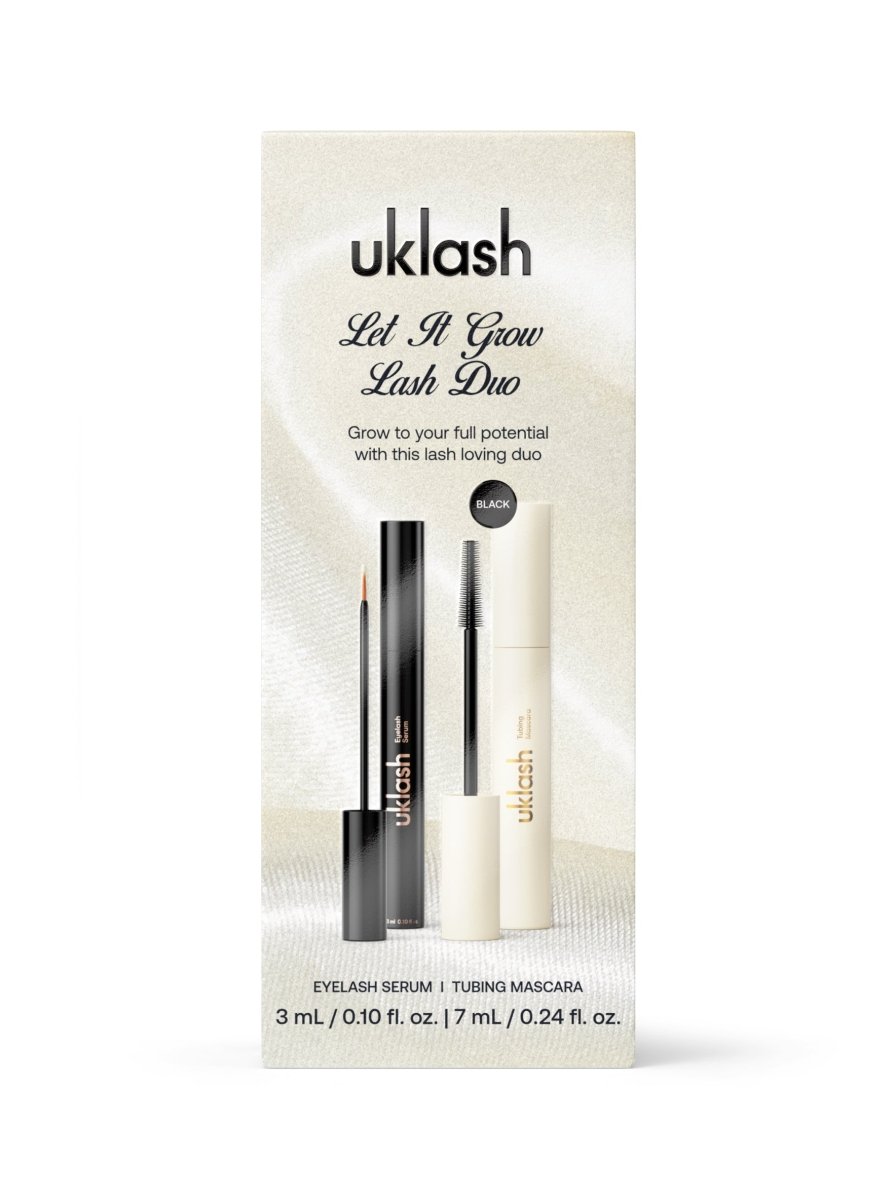

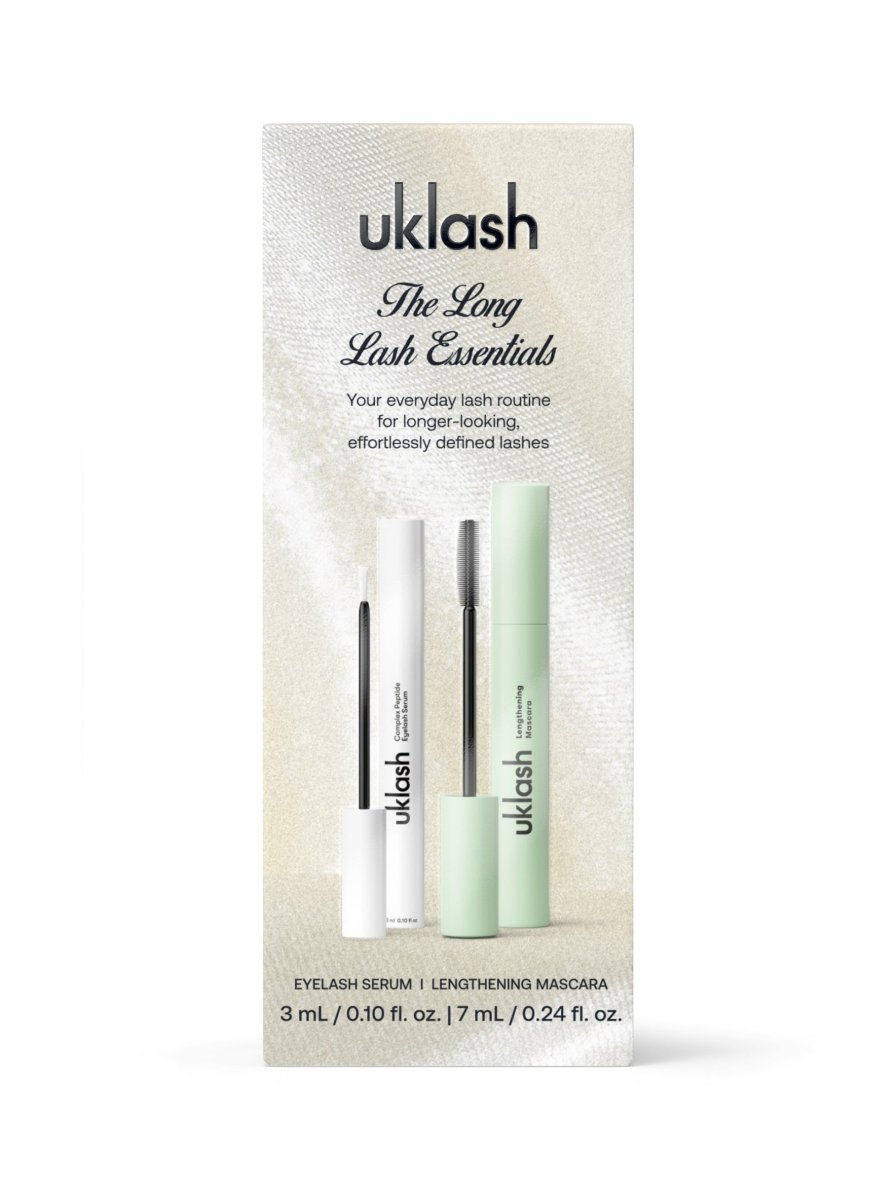 The Long Lash EssentialsYour everyday lash routine for longer-looking, effortlessly defined lashes
£55£40
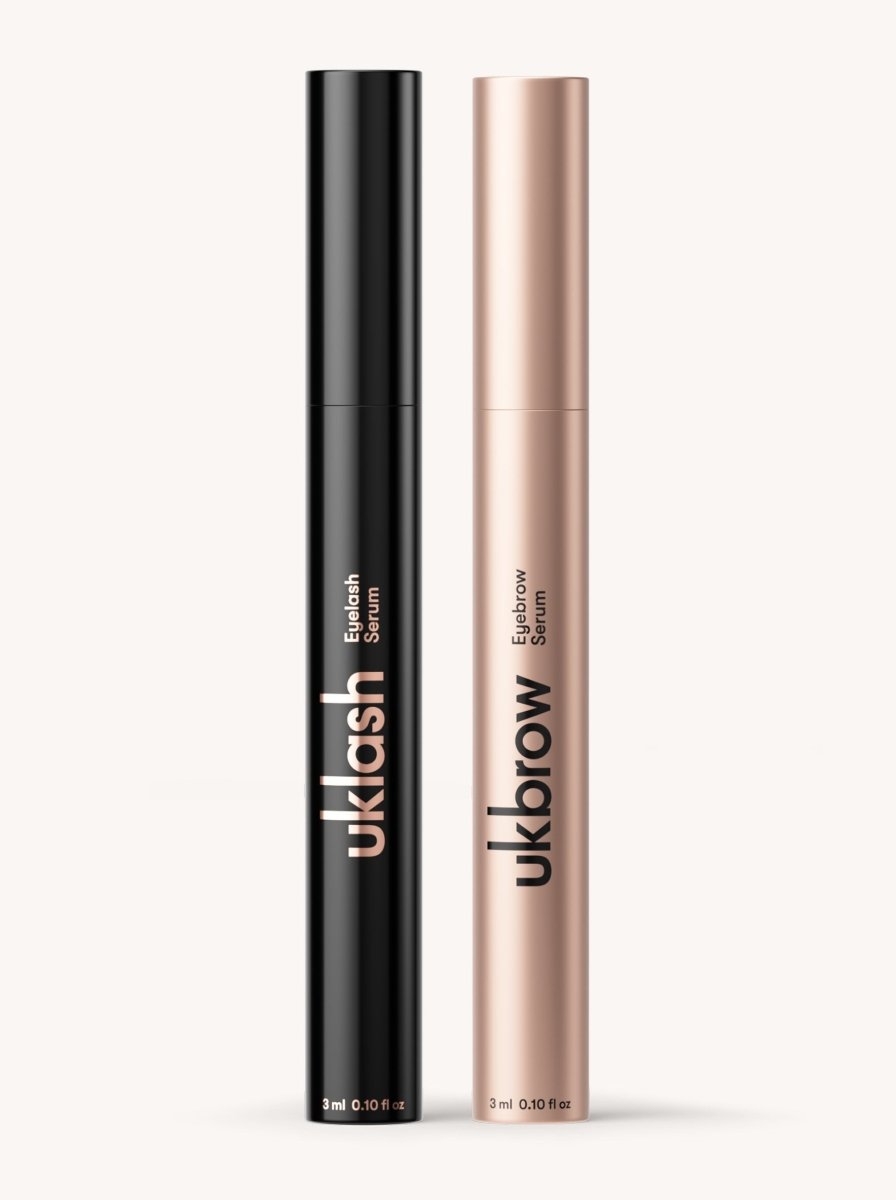
 The Lift & Grow SetFor instantly lifted lashes today and longer, fuller-looking lashes over time.
£59£53.10

If you’ve spotted a few more grey hairs after a particularly stressful period, you’ve probably wondered whether the two are connected. It’s a question many of us ask, can stress actually turn your hair grey, or is it simply a natural part of getting older?
Jump To:
Hair greying is usually associated with age and genetics, but research suggests stress may also play a role. Scientists have started to uncover how the body’s stress response could affect the cells responsible for hair colour, although there’s still more to learn about exactly how this works in humans.
So, does stress cause grey hair? And if it does, is there anything you can do about it?
What Causes Grey Hair?

Before we look at the link between stress and grey hair, it helps to understand what gives your hair its colour in the first place.
Your natural hair colour comes from a pigment called melanin, which is produced by specialised cells known as melanocytes within the hair follicle. The amount and type of melanin your body produces helps determine whether your hair is blonde, brown, black or red.
As you get older, the cells responsible for producing pigment gradually become less effective. When a hair follicle produces less melanin, the hair that grows from it can appear grey. When little or no pigment is produced, the strand appears white.
This is a normal part of ageing, and genetics play a major role in when it happens. However, age and genetics aren’t the only factors being investigated. Researchers have also explored the potential role of stress, alongside certain medical conditions and nutritional deficiencies, in premature greying.
Does Stress Cause Grey Hair?
For years, the idea that stress could turn your hair grey was largely informal. People often noticed grey hairs during or after difficult periods in their lives, but it was difficult to establish whether stress was responsible or whether the timing was simply a coincidence.
That began to change in 2020, when researchers published a study in the journal, Nature, investigating how stress affects the cells responsible for hair pigmentation.
The study found that acute stress could cause the loss of melanocyte stem cells, reducing the follicles’ ability to produce pigment in future hair growth. These findings offered a possible biological explanation for the connection between stress and grey hair. However, it’s important to remember that the key experiments were conducted in mice. They don’t prove that stress will cause grey hair in every person, or that everyday stress has the same effect in humans.
Human research has also offered some interesting clues. A small study published in eLife in 2021 examined individual human hairs and found that some changes in pigmentation appeared to coincide with periods of stress and subsequent stress reduction. Although this is promising, the evidence is still developing. We can say that stress is a plausible contributor to premature greying, but we can’t predict whether a stressful event will make someone’s hair turn grey.
How Does Stress Affect Hair Pigment?

So, what happens inside the hair follicle when your body experiences stress?
Researchers studying stress-related greying have focused on the sympathetic nervous system. This is the part of your nervous system responsible for the body's fight-or-flight response, which helps you react when you perceive a threat. When this response is activated, your body releases chemical messengers, including noradrenaline. These messengers help prepare your body to respond to a stressful situation.
In the 2020 mouse study, researchers found that noradrenaline released by sympathetic nerves affected melanocyte stem cells inside hair follicles. These stem cells normally help replenish the pigment-producing cells needed for new hair growth. Under intense stress, the cells were activated prematurely and depleted from their reserve. Once that reserve was lost, the follicles could no longer replenish pigment-producing cells in the same way, meaning new hair grew without its usual colour.
In simple terms, the research suggests that stress can affect the system responsible for keeping hair pigmented.
But there’s an important distinction here. The study identified a mechanism in mice. Scientists still need more research to understand how frequently this process happens in humans and how much everyday or long-term stress contributes to visible greying. Stress is also associated with other changes in the body, including poor sleep and changes in eating habits. These can influence your general wellbeing, but they shouldn’t automatically be assumed to explain a change in hair colour.
Can Grey Hair Caused by Stress Be Reversed?
This is one of the most common questions surrounding stress and grey hair. If stress can contribute to greying, can reducing stress bring your natural colour back?
The answer is: possibly in some circumstances, but there’s no guaranteed way to reverse grey hair.
The small human study published in eLife found that some hairs appeared to regain pigmentation in association with periods of reduced stress. This suggests that changes in hair colour may not always be permanent in every situation.
However, this research was limited, and it doesn’t mean that reducing stress will reliably reverse grey hair. The outcome may depend on the individual, the underlying cause and the condition of the pigment-producing cells in the follicle. When the cells needed to produce pigment have been depleted or no longer function effectively, restoring natural colour may not be possible. Age-related greying is particularly difficult to reverse, and there are currently no established medical treatments that reliably restore natural pigment to grey hair.
If your hair has started greying earlier than expected, a GP can help assess whether an underlying condition or nutritional deficiency could be contributing. Treating an identified cause may support your overall hair health, although it won’t necessarily restore colour.
And remember, grey hair is completely normal. Whether you choose to embrace it, dye it or simply see how it changes over time is entirely up to you.
What Else Can Cause Premature Grey Hair?
Stress is only one possible piece of the puzzle. If you’re noticing grey hairs earlier than expected, there are several other factors worth considering.
Genetics
Your family history is one of the biggest influences on when you start going grey. If close relatives experienced premature greying, you may be more likely to notice it yourself.
Ageing
As you get older, pigment-producing cells and the stem cells that replenish them can become less effective. This gradual change is a normal part of the ageing process.
Nutritional Deficiencies
Certain deficiencies, including vitamin B12 deficiency, have been associated with premature greying. However, not everyone with grey hair has a deficiency, and taking supplements without identifying a need is unlikely to help.
Underlying Health Conditions
Some medical conditions, including certain autoimmune disorders and thyroid conditions, may be associated with changes in hair pigmentation or hair health. A GP can help determine whether further investigation is appropriate.
Lifestyle and Overall Wellbeing
Sleep, nutrition and stress management all contribute to general wellbeing. While maintaining healthy habits is beneficial, there’s no guarantee that changing your lifestyle will prevent or reverse grey hair.
If greying happens unusually early, progresses rapidly or occurs alongside other symptoms, consider seeking medical advice. A GP can assess your symptoms and decide whether any tests are needed.
How to Look After Your Hair During Stressful Periods
You can’t always avoid stress, but you can take steps to support your wellbeing and maintain a consistent hair-care routine.
1. Make Time To Unwind
Stress management looks different for everyone. Walking outdoors, practising mindfulness, spending time with friends or setting aside time for hobbies may help you manage everyday pressures. If stress feels persistent or overwhelming, consider speaking to a GP.
2. Prioritise Sleep
A regular sleep routine can support your overall health and help you feel better equipped to manage day-to-day challenges. Try to keep consistent sleep and wake times where possible and give yourself time to wind down before bed.
3. Eat a Balanced Diet
Your hair benefits from a varied diet that provides adequate protein, vitamins and minerals. Include a range of foods such as vegetables, fruit, wholegrains, protein sources and healthy fats. If you suspect a nutritional deficiency, seek GP advice before starting supplements.
4. Keep Your Hair-Care Routine Gentle

Stressful periods can make it harder to keep up with your usual routine, but simple, consistent care can help your hair look and feel its best. Use a shampoo suited to your scalp, condition your lengths, detangle gently and avoid excessive heat styling or tight hairstyles that pull on your hair.
A nourishing hair mask can also help improve softness, smoothness and manageability, especially if your strands feel dry or damaged.
5. Pay Attention To Changes In Your Hair
Noticeable greying doesn’t automatically mean something is wrong. However, if you’re also experiencing persistent shedding, thinning, scalp irritation or other symptoms, seek medical advice to address an unknown cause.
So, Does Stress Cause Grey Hair?
The research suggests that stress may contribute to premature greying, and scientists have identified a possible mechanism involving the nervous system and pigment-producing stem cells. Studies in humans have also provided early clues that some changes in pigmentation may be associated with stress.
However, the evidence is still developing. Genetics and ageing remain major influences on when hair turns grey, and stress is unlikely to explain every case.
If you’re noticing more grey strands, try not to panic. Focus on looking after your overall wellbeing, eating a balanced diet and maintaining a gentle, consistent hair-care routine. If the change is sudden, unusually early or accompanied by other symptoms, a GP can help you explore possible causes.

 8 min read / 19 October 2026Why Do Eyelashes Fall Out During Menopause? Causes and TipsWritten by Lauren Butler
 7 min read / 15 October 2026Clear Mascara vs Tinted Lash Lift Gel: What’s Better For a No-Makeup Makeup Look?Written by Lauren Butler
 9 min read / 9 October 2026The Best Beauty Gift Sets For Someone Who Already Has EverythingWritten by Lauren Butler
 6 min read / 6 October 2026What Happens To Hair During Midlife? 9 Menopause Hair Questions AnsweredWritten by Lauren Butler
 9 min read / 1 October 2026Winter Hair Trends 2026: The Colours, Cuts and Styles We’re LovingWritten by Lauren Butler
 15 min read / 29 September 2026How To Grow Eyelashes: The Lash Growth Cycle ExplainedWritten by Sarah Parkes
 8 min read / 24 September 20263 Steps To The Perfect Brows At Home: Your DIY Brow ChecklistWritten by Lauren Butler
 8 min read / 22 September 2026How Long Does a Lash Lift Last? Master Lash Lift Aftercare At HomeWritten by Lauren Butler


