

What Every New Mum Needs To Know About Postpartum, According To The Experts
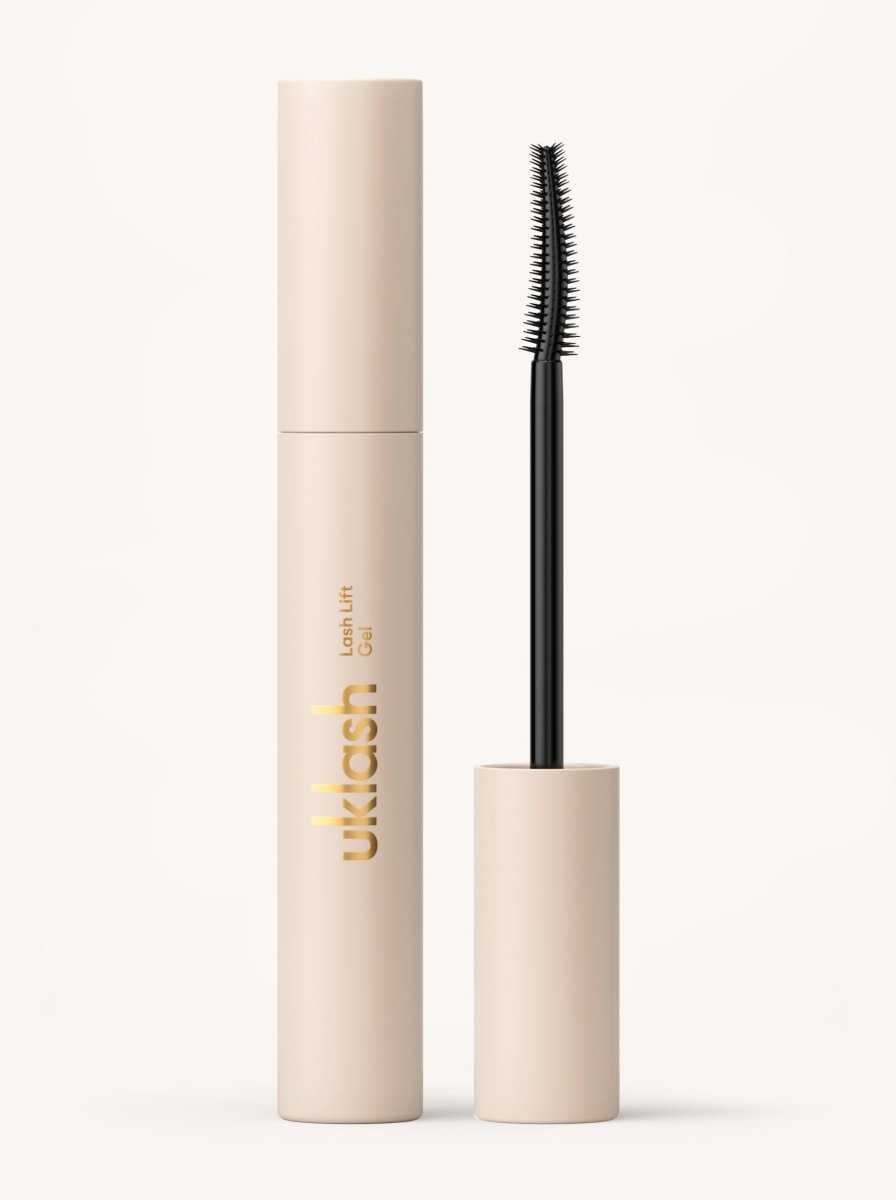
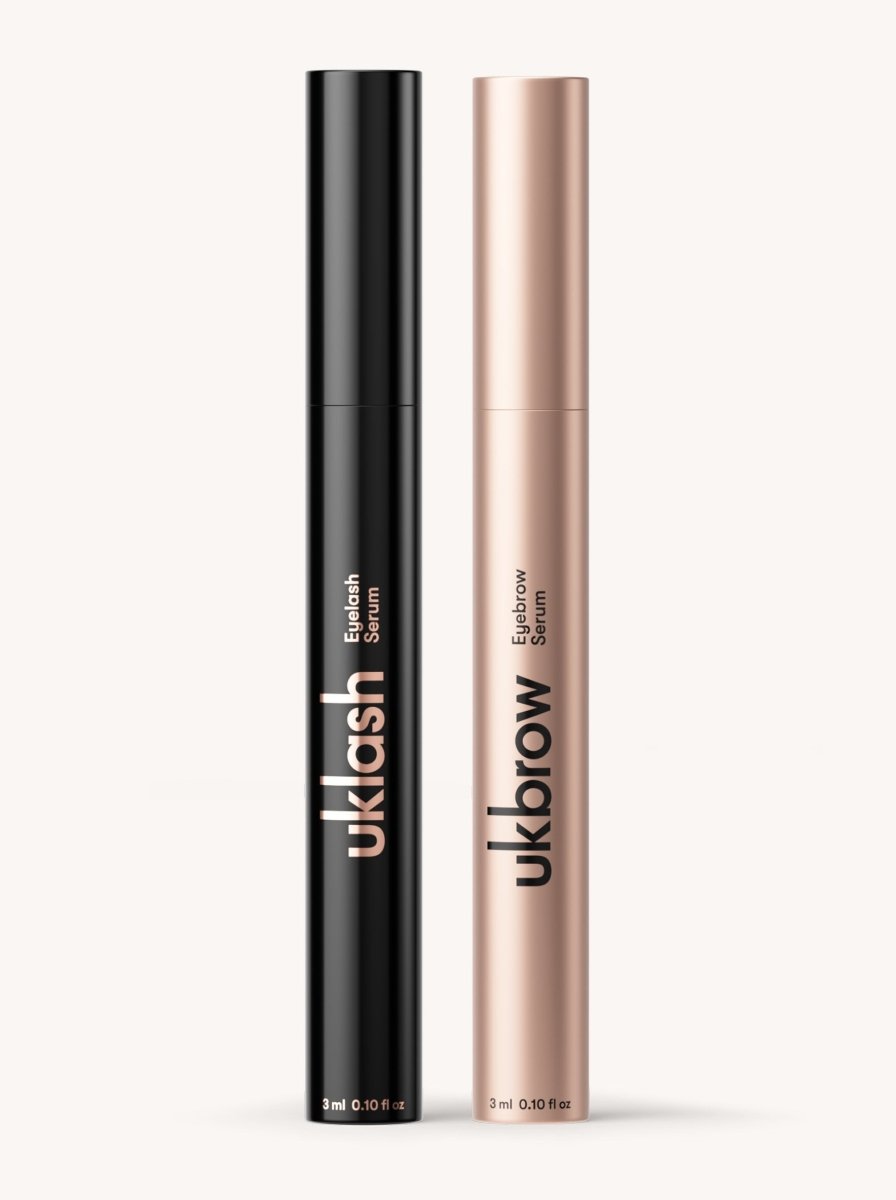
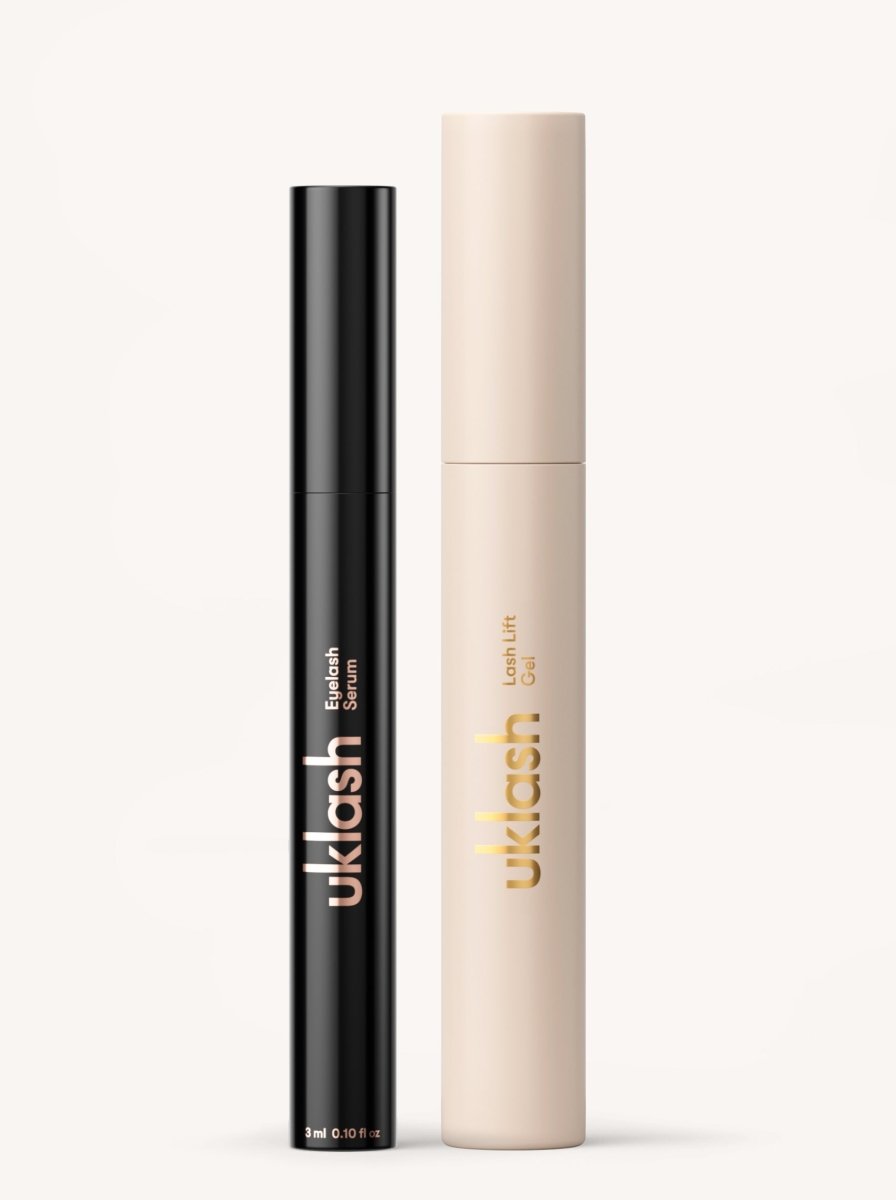 The Lift & Grow SetFor instantly lifted lashes today and longer, fuller-looking lashes over time.
£59£53.10
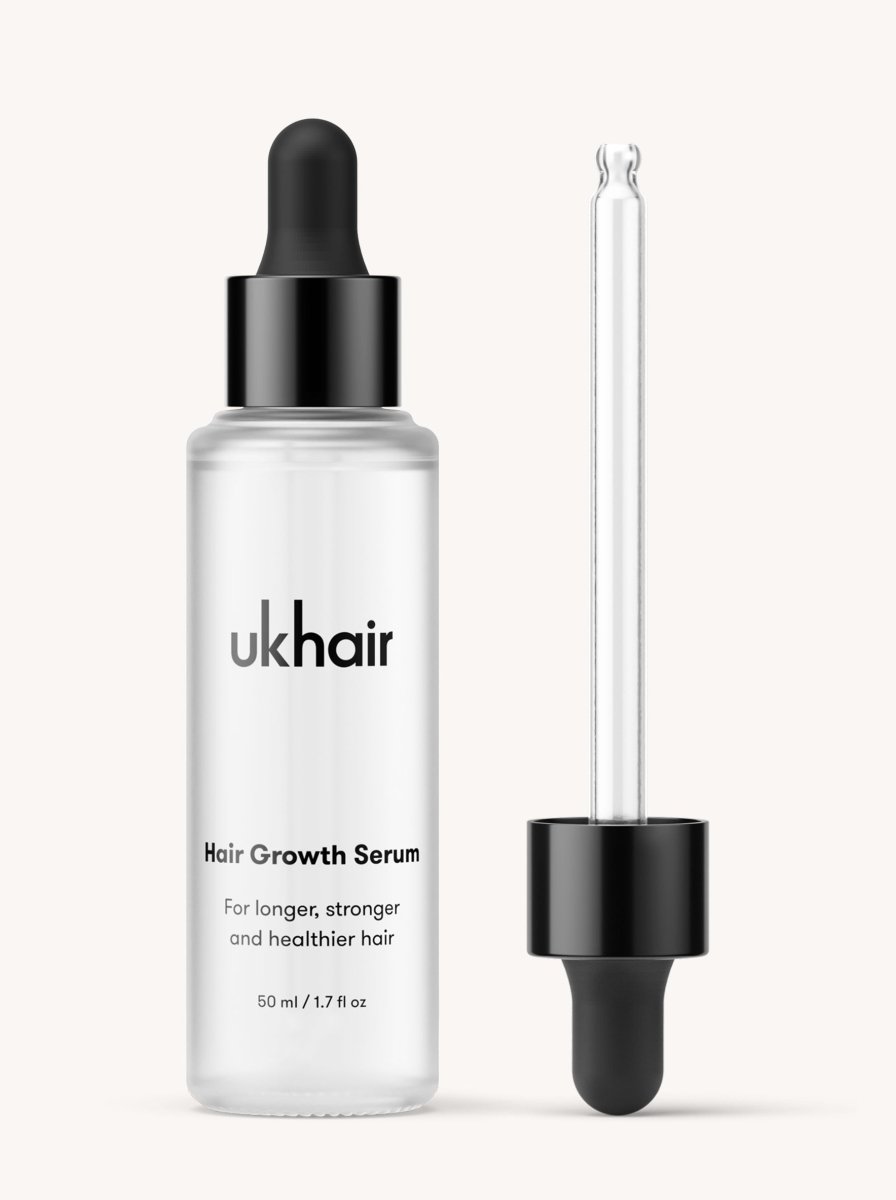
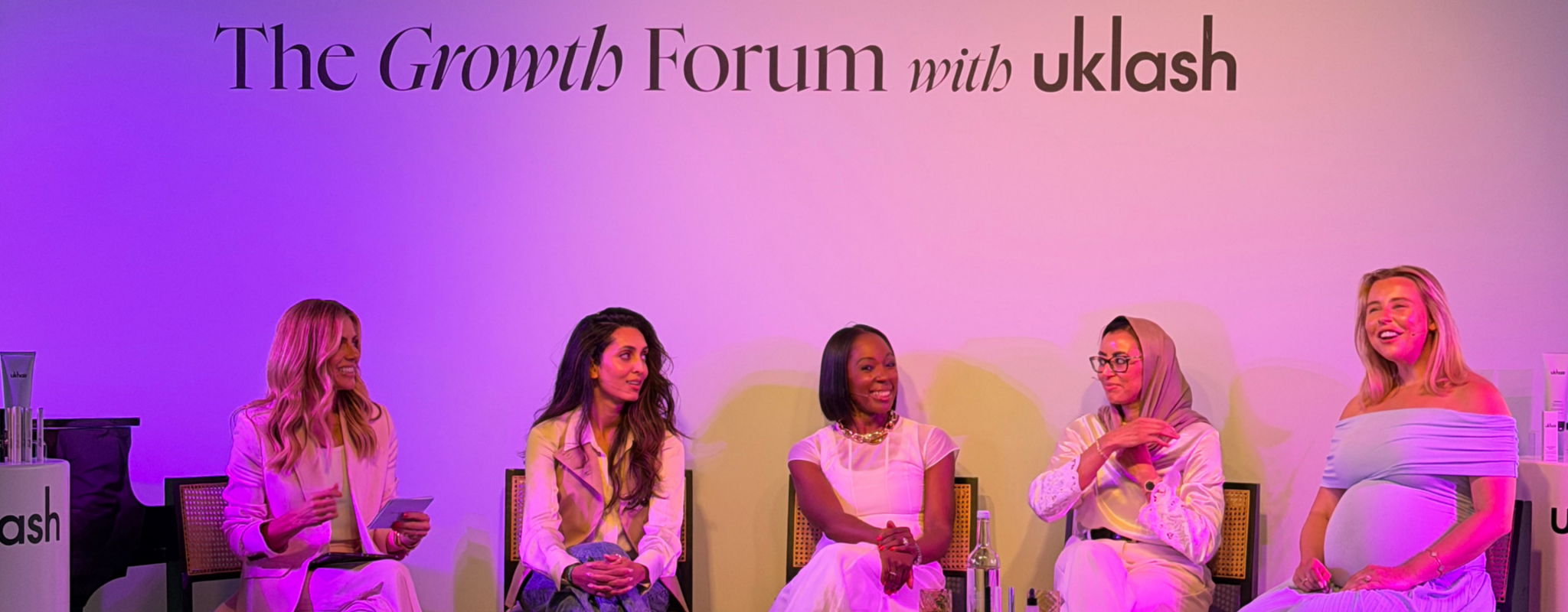
Postpartum is not a bounce-back era. It is a becoming era. At our Redefining Postpartum panel, hosted by Zoe Hardman alongside Chessie King, Dr Wedad, Dr Pyal and Tobi Asare as panelists, one message came through clearly - your body is not failing you. It is recovering, recalibrating and carrying you through one of the biggest transitions of your life.
From postpartum hair loss and the first period after birth to confidence, careers, KIT days, maternity support and the quiet pressure to “get back to normal”, here is what every new mum deserves to know.

1. You Do Not Need To Bounce Back
Dr Pyal said it best, “bouncing back is not a thing”. Your body has grown, birthed and begun caring for a baby. Whether you are navigating a post pregnancy belly, stitches, feeding changes, exhaustion or the emotional weight of it all, your recovery is not about returning to who you were before. It is about moving forward into who you are becoming so try to be patient with yourself and lean into motherhood in your own way. Everyone does it differently, no two journeys are the same.
2. Postpartum Hair Loss Is Common
According to Dr Wedad, “the high levels of oestrogen and progesterone hormones during pregnancy nudge the hair follicles to stay in that growth phase a little longer, which is why hair looks longer, thicker, fuller and that’s what contributes to ‘pregnancy glow’”. She then mentions, “In the postpartum period, you have a massive drop in oestrogen and progesterone hormones, nudging the hair into the shedding phase, which can trigger postpartum hair shedding a few months later.”
It can feel alarming, especially when hair comes out in the shower or around the hairline, but in many cases it is temporary. NHS guidance also notes that postpartum physical changes vary, and support is available if symptoms feel worrying or persistent.
Dr Wedad’s advice was simple - be gentle with your hair, look after your scalp, wash regularly, avoid harsh traction and seek medical advice if shedding continues beyond 12 months, feels severe, or comes with symptoms like fatigue, itching or scalp redness.

3. Your Body Is Not Failing You
So many changes can feel like a shock. The post pregnancy belly. Texture changes in your hair. Lash or brow thinning. Skin changes. Body hair returning in unexpected places.
Then there are things people rarely talk about, like Diastasis Recti, also known as abdominal separation. Symptoms of abdominal separation can include a visible bulge or doming along the middle of the tummy, especially when sitting up or straining. NHS and hospital guidance explains that some separation after pregnancy is common, but specialist support can help if it does not improve.
None of this means your body is broken. It means your body has been through a seismic change, and is learning how to develop, overcome and keep going!
4. Bleeding, Periods and Recovery Can Look Different For Everyone
One of the most searched questions after birth is, how long after you give birth do you bleed?
Post-birth bleeding, called lochia, usually changes from bright red to brown over the weeks after birth, and the Royal College of Obstetricians and Gynaecologists says it will usually have stopped by the time your baby is 12 weeks old. Heavy bleeding, large clots, dizziness or feeling unwell should be checked urgently.
The first period after birth can also be different from what you are used to, especially if you are breastfeeding. If anything feels unusual, very heavy, painful or concerning, speak to your GP, midwife or health visitor.
5. Asking For Help Is Not Weakness
Tobi spoke about sharing the load, whether that is with a partner, family, friends, neighbours or your workplace.
Her advice? “Don’t be the martyr. If you’re filling out a form for nursery or school, put their name first, or if you’re joining a Whatsapp group, add them in. Small changes like that will ensure it doesn’t always fall on you, because ultimately you can’t do it all. So many of you hae dreams, ambitions, skills, talents that have been honed even more so since giving birth and you owe it to yourself to go out there and explore your full potential!”
Let other people build confidence too. Help is not a luxury. It is how you keep going.
6. Your Career Is Not Over
Returning to work can bring a whole new layer of identity questions. Tobi mentioned “One fact to remember is that your confidence actually dips for 2 years or sometimes more, after giving birth. I remember going back to work and thinking, will they even recognise me? You feel really different and there’s lots of new things to remember and so much will have changed, but try to take the pressure off yourself. My top tip would be to ask loads of questions. It will help you get readjusted and find your new way back into the workplace without feeling like you have to prove yourself.”
This is where practical things matter too. KIT days, which stands for Keeping In Touch days, allow eligible employees to work up to ten days during maternity leave without ending their leave or pay.
If you are wondering what are KIT days, what are KIT days maternity, when can you start maternity leave or when to begin maternity leave, it is worth checking your employer policy alongside official guidance. GOV.UK states that Statutory Maternity Leave can start from 11 weeks before the expected week of childbirth, unless the baby arrives earlier.
And for anyone asking what is the glass ceiling in this context, it is the invisible barrier that can make career progression harder, especially for women and mothers. Tobi’s point was clear - motherhood should not mean ambition has to shrink.
7. You’ll Unlock New Parts Of Yourself You Didn’t Know Existed
Chessie liked to compare it to the evolution of mobile phones, “Imagine you’ve got your first ever phone in your hand, in my case, a Nokia phone, and then the phone you have now. It’s still the same foundations, it does similar things, however, it has evolved so much. You are that current phone when you become a mum and the past you is the Nokia, because it does things you didn’t even think a phone could do, and that’s us as mums, we unlock new parts of us that are just outstanding!” You’ve evolved so much. You haven’t become someone else, you’ve become a new version of yourself.
Confidence might not come back all at once. It might return through tiny moments. A shower. A walk. A hair appointment. A serum routine. A conversation where you finally say, “I need help.” And her top tip is “Don’t wait until you’re confident enough to do it. Do it until you become confident”. We grow when we’re out of our comfort zone so try new things and see what works for you and who knows in which ways you’ll Never Stop Growing.
8. Comparison Is Never The Full Story
Dr Pyal reminded us that every woman’s postpartum experience is different. One person may lose weight, another may gain weight. One may feel joy quickly, another may feel low, numb or unlike herself. There is no single normal. If your mood feels low, heavy or frightening, or if you feel unable to cope, speak to a healthcare professional. Postpartum depression is real, and support matters.
9. Looking After Yourself Is Not Selfish
Zoe said it during the panel: we often call it self-care, but really, it is care.
A few minutes for yourself does not make you less devoted. It can help you feel more like you.
Whether it is caring for your lashes, your scalp, your skin, your body or your mind, those little rituals can become anchors in a season that asks so much of you.
10. You Are Still Becoming
Postpartum is not one tidy chapter. Recovery is not linear. Confidence shifts. Bodies change. Careers pause, restart or reshape. Some days feel powerful. Some days feel like survival.
As Tobi said, sometimes getting through the day is enough. And as Chessie reminded us, you are not the old phone trying to work like you used to. You are the upgraded version, still learning all the things you can do. You are not behind. You are not broken. You are still growing.
Postpartum Growth Essentials


If there was one thing every expert on the panel agreed on, it’s this - postpartum is not something to simply get through. It is a period of transformation, growth and rediscovery.
Your body may look different. Your confidence may shift. Your priorities, relationships and ambitions may evolve too. But none of that means you have lost yourself. In many ways, you are meeting a stronger, more capable version of yourself for the very first time.
Whether you are navigating postpartum hair loss, returning to work, adjusting to your changing body or simply trying to make it through another sleepless night, remember that there is no perfect way to do motherhood. There is only your way.
Give yourself the same compassion you would offer a friend. Ask for support when you need it. Celebrate the small wins. And trust that growth does not always look dramatic. Sometimes it looks like getting out for a walk, washing your hair, sending the email, asking the question or taking five minutes for yourself.
Because postpartum is not about bouncing back to who you were before. It is about you Never Stop Growing into who you are becoming.

 8 min read / 22 September 2026How Long Does a Lash Lift Last? Master Lash Lift Aftercare At HomeWritten by Lauren Butler
 6 min read / 17 September 2026Nano Brows vs Microblading: Which Treatment Is Best for You?Written by Lauren Butler
 6 min read / 9 September 2026Pumpkin Spice Latte Season Has Begun: 5 Autumn Makeup Trends We’re Obsessing OverWritten by Lauren Butler
 7 min read / 2 September 2026Unboxing the Best Beauty Advent Calendars Actually Worth Your MoneyWritten by Lauren Butler
 6 min read / 25 August 2026Meet The Lash Lift Kit Made For Your 5 Minute Morning RoutineWritten by Lauren Butler
 6 min read / 24 August 2026What Are Ghost Lashes? Meet the Barely-There Lash TrendWritten by Lauren Butler
 7 min read / 21 August 20266 Natural Menopause Treatments That Really WorkWritten by Lauren Butler
 6 min read / 19 August 2026Do You Need An Eyelash Primer? Here’s When It Makes a DifferenceWritten by Lauren Butler

